
Insulators Company Guide: Testing Standards & Future Industry Trends
Insulators Company Guide: Testing Standards & Future Industry Trends
Introduction
The global insulator industry is the invisible backbone of the world's electrical infrastructure. Every power grid, substation, and overhead powerline relies on high-quality insulators to operate safely and reliably.
For energy suppliers, power companies, and industrial clients, choosing the right insulators company is one of the most critical decisions they make. A single faulty insulator can cause widespread power outages, equipment damage, and safety hazards.
This article provides a comprehensive guide to the global insulator industry, including key testing standards, how to select a reliable insulators company, and emerging trends that will shape the future of electrical insulation.
Global Insulators Industry Landscape
The global insulator market is valued at over $12 billion and is expected to grow at a CAGR of 5.2% through 2030, driven by increasing demand for electricity, grid modernization, and renewable energy integration.
Leading Insulators Company
The industry is dominated by a mix of multinational corporations and regional specialists, each with their own strengths and product focus:
· ABB Ltd (Switzerland): Global leader in high-voltage and UHV glass insulators, with a presence in over 100 countries
· Siemens AG (Germany): Offers a complete range of glass, ceramic, and composite insulators for power grids
· NGK Insulators Ltd (Japan): Renowned for high-performance ceramic and glass insulators
· Dalian Insulator Group (China): Largest manufacturer of glass insulators in the world, producing over 10 million units annually
· Hubbell Inc (USA): Leading supplier of insulators for North American power grids
· Lapp Insulators GmbH (Germany): Specializes in high-voltage glass and composite insulators
Regional Market Dynamics
· Asia-Pacific: Largest market, accounting for over 45% of global demand, driven by rapid industrialization and grid expansion in China, India, and Southeast Asia
· North America: Growing demand for grid modernization and replacement of aging infrastructure
· Europe: Focus on renewable energy integration and UHV transmission lines
· Middle East & Africa: Increasing investment in power generation and transmission infrastructure
Critical Industry Testing Standards
All reputable insulators company adhere to strict international standards to ensure their products meet the highest quality and performance requirements. The most important standards include:
IEC 61109: Insulators for Overhead Lines
This international standard specifies the requirements for glass and ceramic insulators used in overhead powerlines with voltages above 1000V. It covers:
· Electrical performance requirements
· Mechanical load capacities
· Environmental testing procedures
· Quality control methods
IEC 60167: Insulation Resistance Testing
This standard defines the procedures for performing the electrical insulation resistance test, the most fundamental test for all insulators. It specifies:
· Test voltage levels
· Test duration
· Temperature and humidity conditions
· Acceptance criteria
Other Key Standards
· ANSI C29.1: American National Standard for glass and ceramic insulators
· GB/T 1001.1: Chinese national standard for overhead line insulators
· IEC 62217: Standard for composite insulators
Why Standards Matter for Energy Suppliers
Adherence to international standards ensures that insulators from different manufacturers are interchangeable and perform consistently. For energy suppliers, this means:
· Reduced risk of insulator failure
· Simplified procurement and replacement
· Compliance with regulatory requirements
· Improved grid reliability
How to Choose a Reliable Insulators Company
With so many insulators company in the market, selecting the right partner can be challenging. Here are the key factors to consider:
1. Product Quality and Certification
The most important factor is product quality. Look for insulators company that:
· Are certified to ISO 9001 quality management systems
· Adhere to international standards (IEC, ANSI, GB)
· Conduct rigorous testing on every batch of products
· Provide detailed test reports for all products
2. Product Range and Customization
Choose an insulators company that offers a complete range of glass insulators for all voltage levels and applications. They should also be able to provide customized solutions for specific requirements, such as:
· Special RTV silicone coatings for polluted environments
· High-mechanical-load insulators for heavy conductors
· Custom designs for unique applications
3. Technical Support and Service
A good insulators company provides more than just products. They should offer:
· Technical support during the design and installation process
· Maintenance and troubleshooting services
· Training programs for your maintenance personnel
· Fast delivery of replacement parts
4. Local Presence
Working with an insulators company that has a local presence in your region offers several advantages:
· Faster delivery times
· Lower shipping costs
· Better technical support
· Easier access to replacement parts
When searching for "insulators near me" or "electric suppliers near me", prioritize companies with local warehouses and service centers.
5. Cost-Effectiveness
While price is an important consideration, it should not be the only factor. The cheapest energy supplier or insulators company may not offer the best long-term value.
High-quality glass insulators have a longer lifespan and lower maintenance costs, making them more cost-effective in the long run. Always consider the total cost of ownership, not just the initial purchase price.
Future Trends in the Insulator Industry
The insulator industry is undergoing significant changes, driven by technological advancements and evolving energy needs. Here are the key trends that will shape the industry in the coming years:
1. Smart Insulators
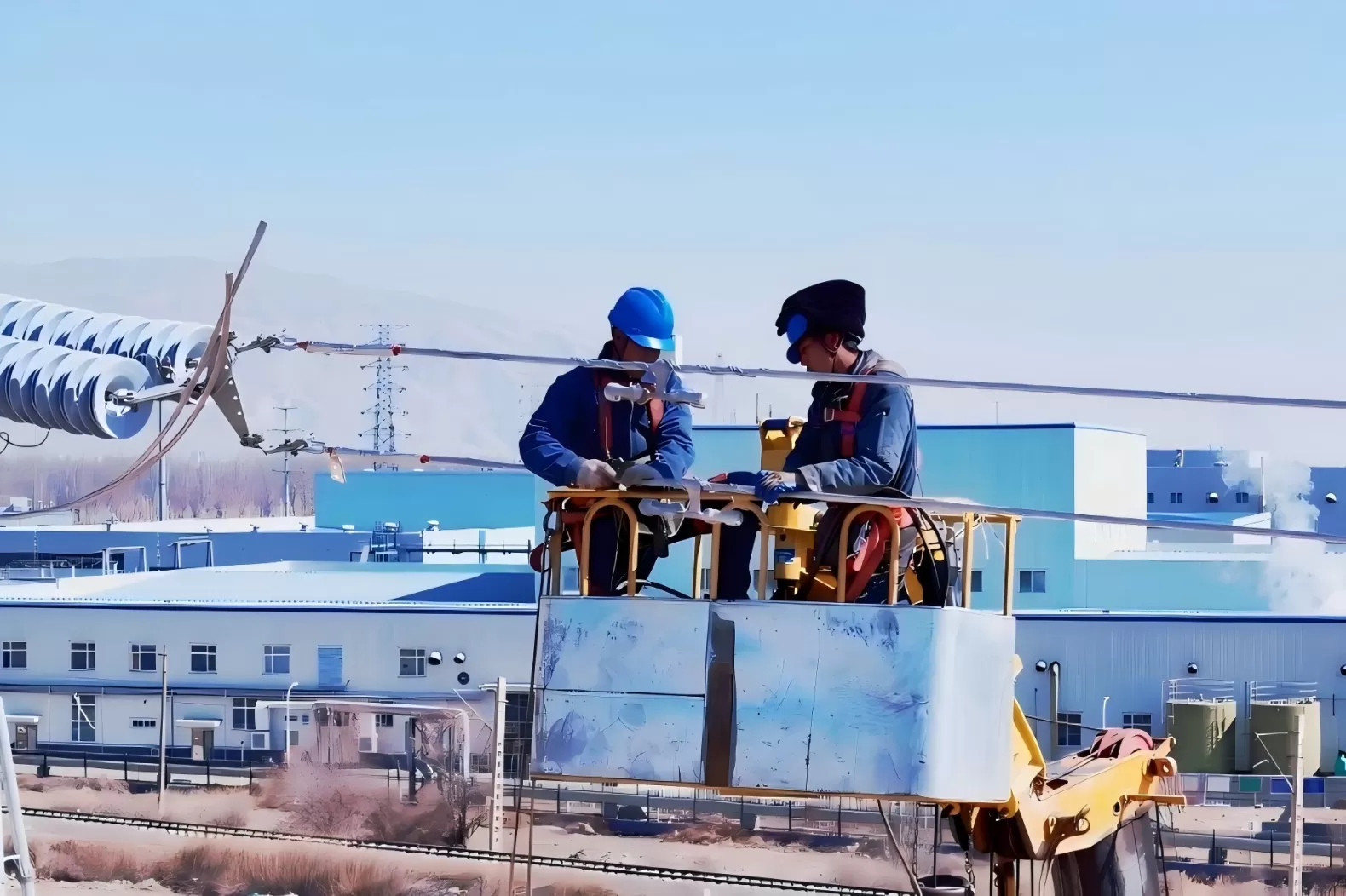
The biggest trend in the industry is the development of smart insulators. These insulators are equipped with sensors that monitor:
· Insulation resistance
· Temperature
· Vibration
· Contamination levels
The data from these sensors is transmitted wirelessly to a central monitoring system, allowing energy suppliers to:
· Monitor insulator performance in real-time
· Detect potential failures before they occur
· Perform predictive maintenance
· Reduce downtime and maintenance costs
2. Sustainable Manufacturing
Sustainability is becoming increasingly important in the insulator industry. Leading insulators company are adopting more sustainable manufacturing practices, such as:
· Using recycled glass in the production of glass insulators
· Reducing energy consumption during manufacturing
· Minimizing waste and emissions
· Developing recyclable insulator designs
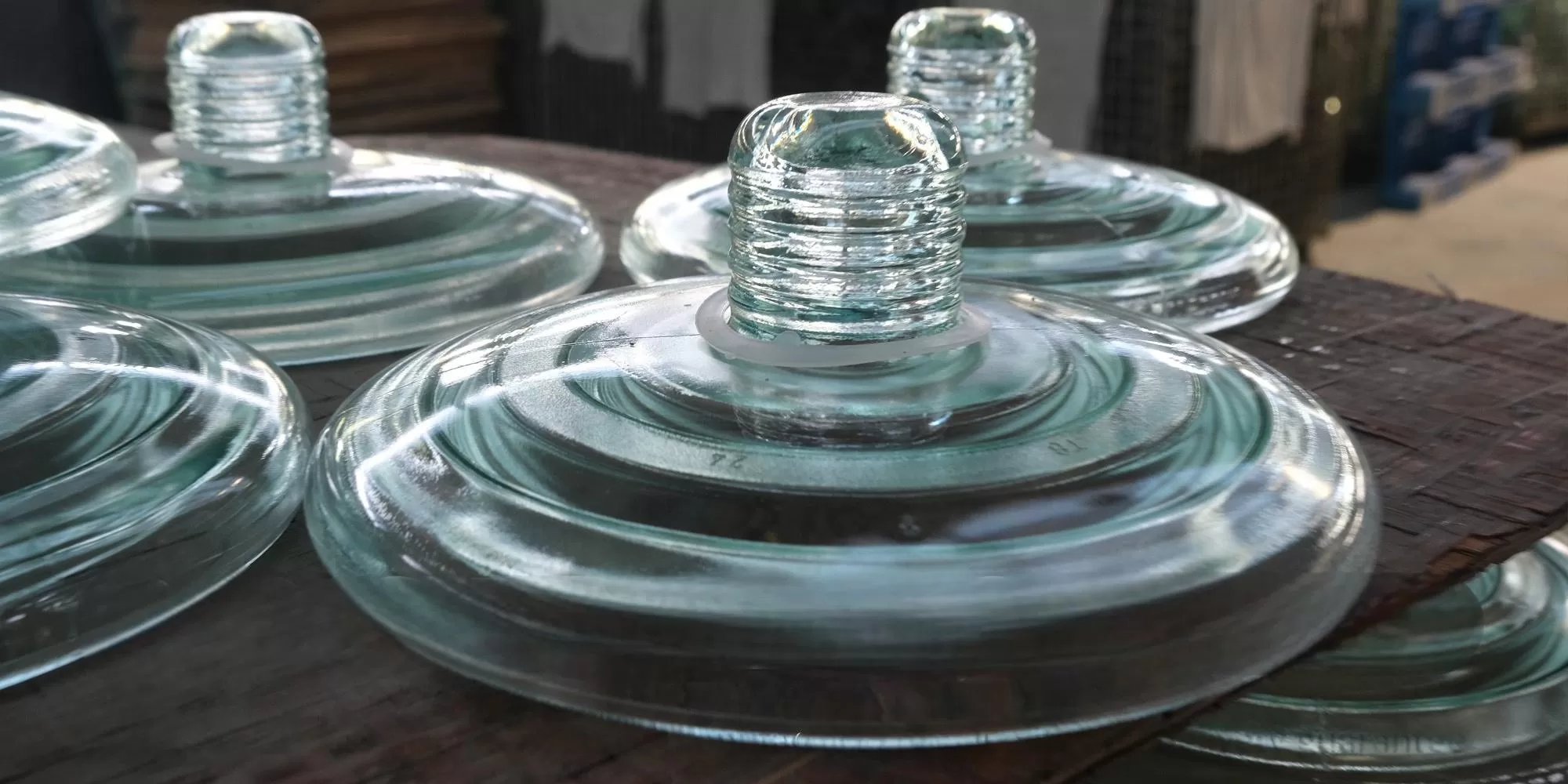
Glass insulators are already 100% recyclable, making them the most sustainable insulator option available.
3. UHV Transmission Lines
The development of ultra-high-voltage (UHV) transmission lines is driving demand for high-performance glass insulators. UHV lines (up to 1500kV) require insulators with extremely high dielectric strength and mechanical load capacity.
Insulators company are investing heavily in research and development to produce glass insulators that can meet these demanding requirements.
4. Renewable Energy Integration
The rapid growth of renewable energy sources (wind, solar, hydro) is creating new challenges for the power grid. Renewable energy plants are often located in remote areas with harsh environmental conditions, requiring insulators that can withstand extreme temperatures, high winds, and heavy contamination.
Glass insulators are ideal for these applications due to their exceptional durability and environmental resistance.
5. Digitalization and Automation
Insulators company are adopting digitalization and automation technologies to improve production efficiency and product quality. This includes:
· Automated manufacturing processes
· AI-powered quality control systems
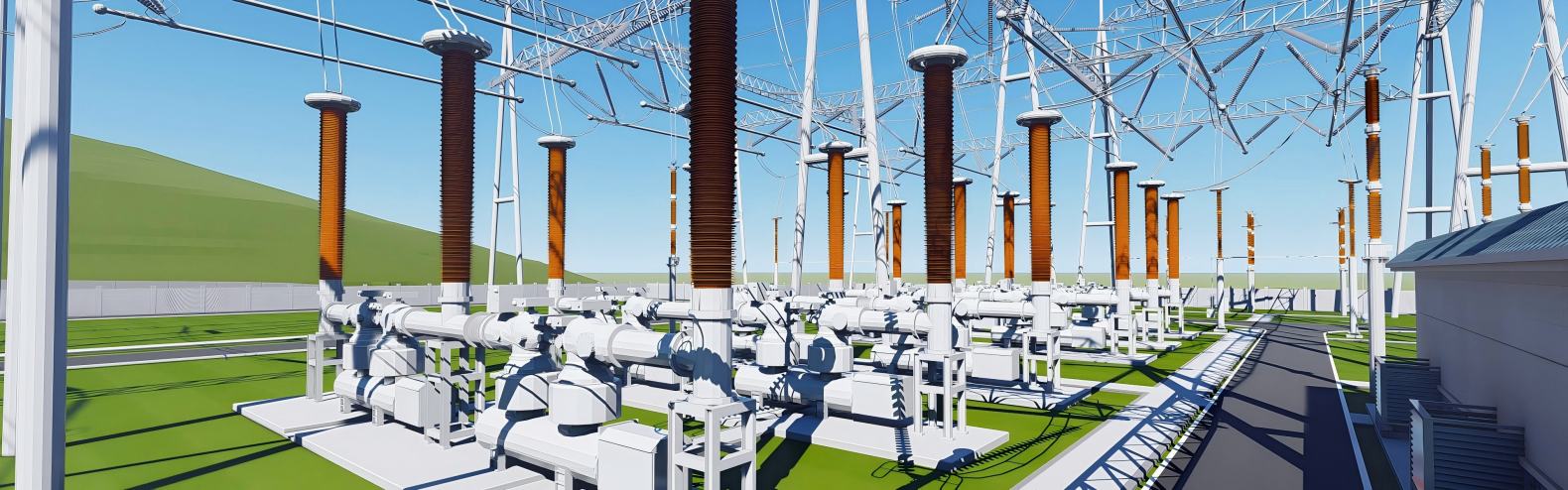
· Digital twin technology for product design and testing
· Cloud-based supply chain management
Conclusion
The insulator industry plays a critical role in ensuring the safe and reliable operation of the world's power grids. Glass insulators, with their exceptional performance and durability, will remain the industry standard for the foreseeable future.
For energy suppliers and power companies, choosing the right insulators company is essential. By prioritizing product quality, certification, technical support, and local presence, you can ensure that your power grid operates reliably and efficiently for decades to come.
As the industry continues to evolve, smart insulators, sustainable manufacturing, and UHV transmission will be the key drivers of growth. Leading insulators company that embrace these trends will be well-positioned to meet the challenges of the future energy landscape.
FAQ
Q1: What is the most important test for glass insulators?
A1: The electrical insulation resistance test is the most fundamental test, as it measures an insulator's ability to resist leakage current. It is performed during manufacturing, installation, and routine maintenance.
Q2: How can I verify the quality of glass insulators?
A2: Request test reports from the insulators company, including electrical insulation resistance test results, dielectric strength test results, and mechanical load test results. Also, check for certification to international standards.
Q3: What is the lifespan of a glass insulator?
A3: High-quality glass insulators have a lifespan of 30-50 years, depending on environmental conditions. In clean, dry environments, they can last even longer.
Q4: Are smart insulators currently available?
A4: Yes, several leading insulators company now offer smart glass insulators with built-in sensors. They are being increasingly used in high-voltage and UHV transmission lines.
Q5: Can glass insulators be used in offshore wind farms?
A5: Yes, glass insulators with special RTV silicone coatings are ideal for offshore wind farms, as they can withstand high salt spray and harsh marine environments.