
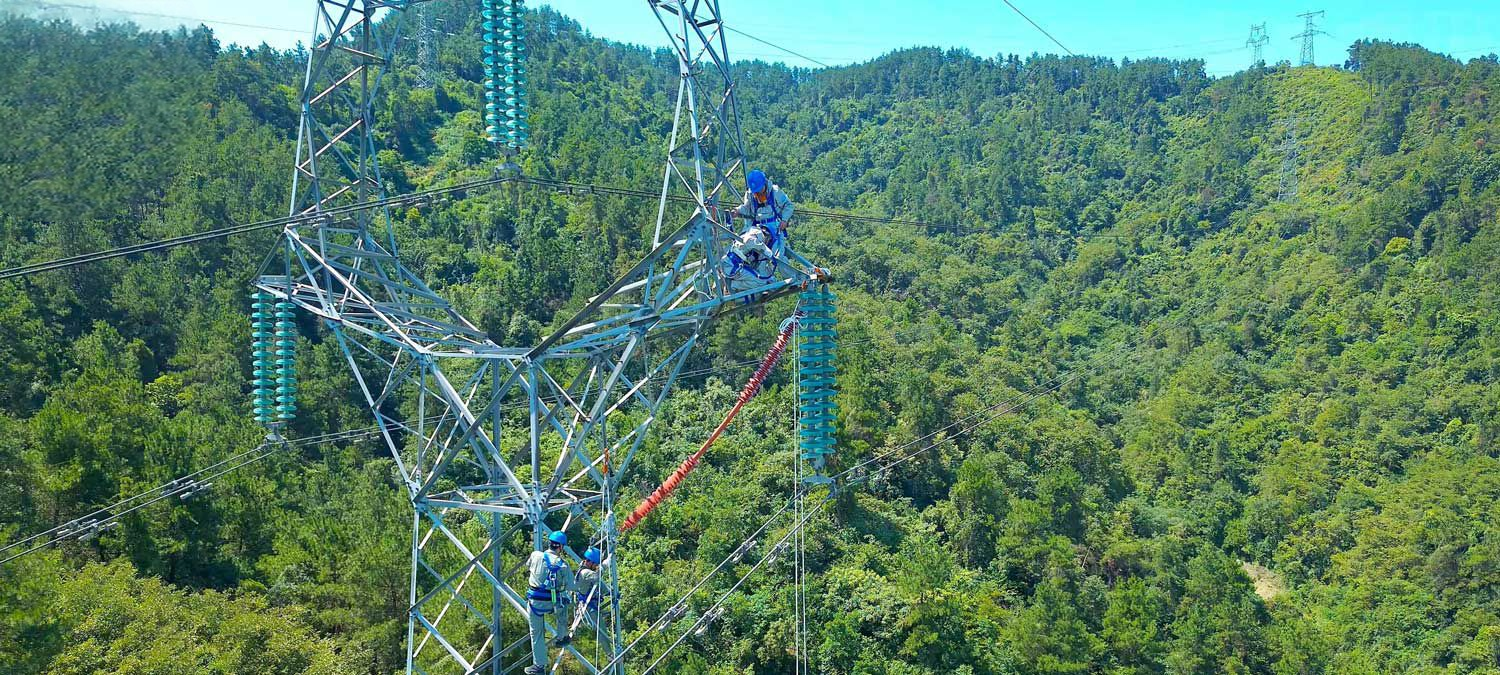
Glass Insulators: Solutions for Ultra HVDC, Large Span Transmission & Smart Grid Monitoring
Glass Insulators: Solutions for Ultra HVDC, Large Span Transmission & Smart Grid Monitoring
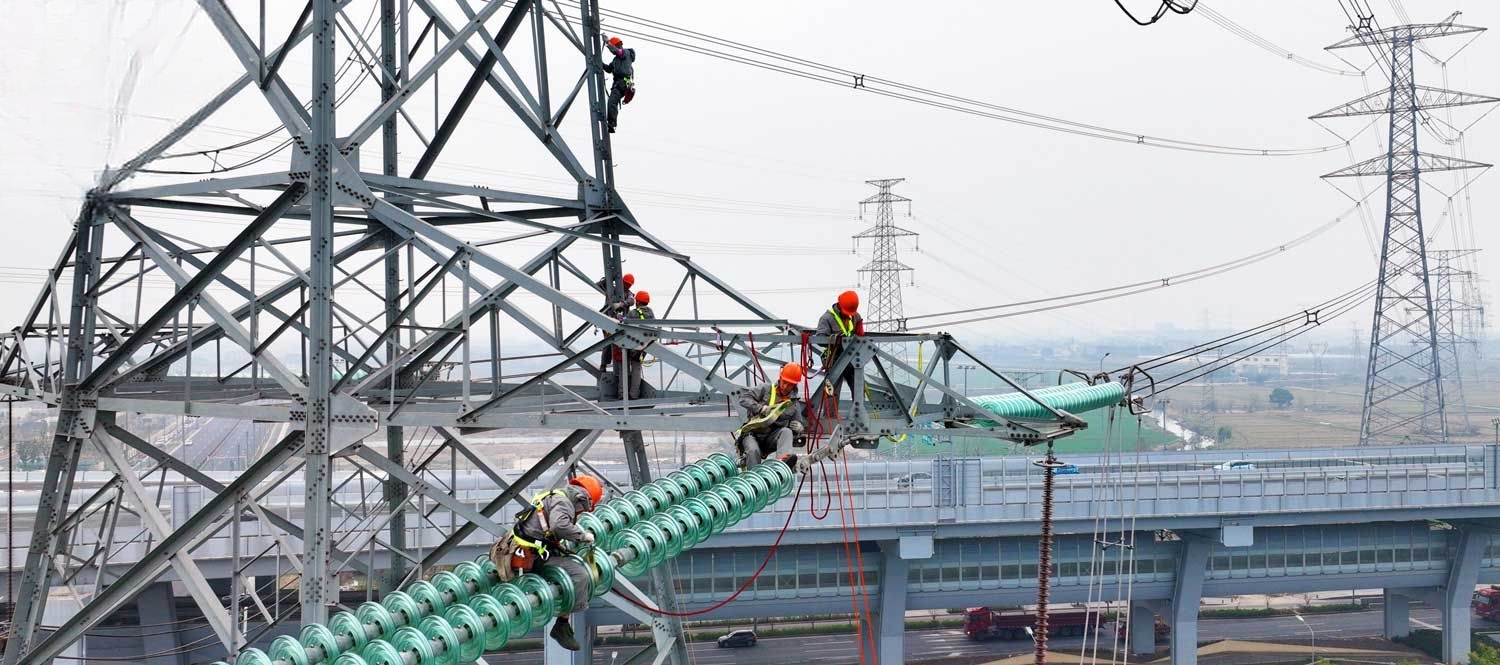
Glass insulators are critical components in modern power transmission systems, playing an irreplaceable role in ensuring safe, stable, and efficient electricity delivery. With the rapid expansion of global power grids, the demand for insulators that can adapt to extreme operating conditions—such as ultra-high voltage, large span crossings, and intelligent monitoring—has never been higher.
1. Ultra/Ultra High Voltage Direct Current Transmission (HVDC)
Scenario Overview & Key Requirements
Ultra-high voltage direct current (UHV DC) transmission has become the backbone of long-distance, large-capacity power transfer worldwide, with over 140 HVDC links currently operational and more than 22 new ultra-high-voltage (>800 kV) projects launched between 2023–2025 alone. Unlike AC transmission, DC lines exert extremely high demands on insulators, particularly in terms of pollution resistance and ion migration resistance. In harsh environments such as industrial zones, coastal areas, or high-altitude regions, contaminants (e.g., salt, dust, industrial fumes) accumulate on insulator surfaces, easily leading to pollution flashovers and equipment failures. Additionally, ion migration under DC electric fields can degrade insulator performance over time, threatening the stability of the entire transmission system.
Glass Insulator Adaptation Solutions
To address the unique challenges of UHVDC transmission, glass insulators are designed with advanced materials and surface treatments, focusing on anti-pollution, anti-icing, and anti-ion migration capabilities:
• Anti-icing Glass Formula with Nano Hydrophobic Coating: The core formula of the glass insulator is optimized to enhance its anti-icing performance, while a nano-scale hydrophobic layer is applied to the surface. This coating creates a water-repellent surface that prevents moisture accumulation, reduces ice bridging under DC electric fields, and minimizes the adhesion of pollutants. Unlike traditional insulators, the nano hydrophobic layer extends maintenance intervals by up to 300%, making it ideal for extreme pollution scenarios such as mining areas and chemical plants.
• High Resistivity Toughened Glass (HRTG): Advanced manufacturing processes produce high resistivity toughened glass, which effectively suppresses ion migration and maintains stable insulation performance even under long-term DC voltage stress. This technology, which meets the strict requirements of IEC 61325 (the only international standard for HVDC insulator performance), ensures long-term reliability in UHVDC applications.
Typical Case Study
The ±800kV ultra-high voltage direct current project in Belo Monte, Brazil, is a benchmark for glass insulator application in UHVDC systems. This project exclusively uses toughened glass insulators, which have achieved the highest pollution resistance level (Level IV) and a pollution flashover voltage 20% higher than that of traditional ceramic insulators. Even in the humid, polluted environment of the Amazon region, the glass insulators have maintained stable operation, ensuring the project’s ability to deliver large-capacity power across long distances. This case demonstrates that glass insulators are the preferred choice for UHVDC projects in harsh environmental conditions.
2. Large Span Transmission Lines
Scenario Overview & Key Requirements
Large span transmission lines—such as cross-river, cross-canyon, and cross-sea projects—are essential for connecting power grids across geographical barriers. These lines often have spans exceeding 1 kilometer, with some cross-sea projects reaching spans of over 2,500 meters. Insulators used in these scenarios must withstand enormous mechanical tension, including the weight of the transmission wires, wind loads, ice loads, and even seismic forces. Any mechanical failure of insulators could lead to wire breakage or tower collapse, resulting in massive power outages and economic losses.
Glass Insulator Adaptation Solutions
Glass insulators for large span transmission lines are engineered to prioritize mechanical strength, wind resistance, and stability, with the following key design features:
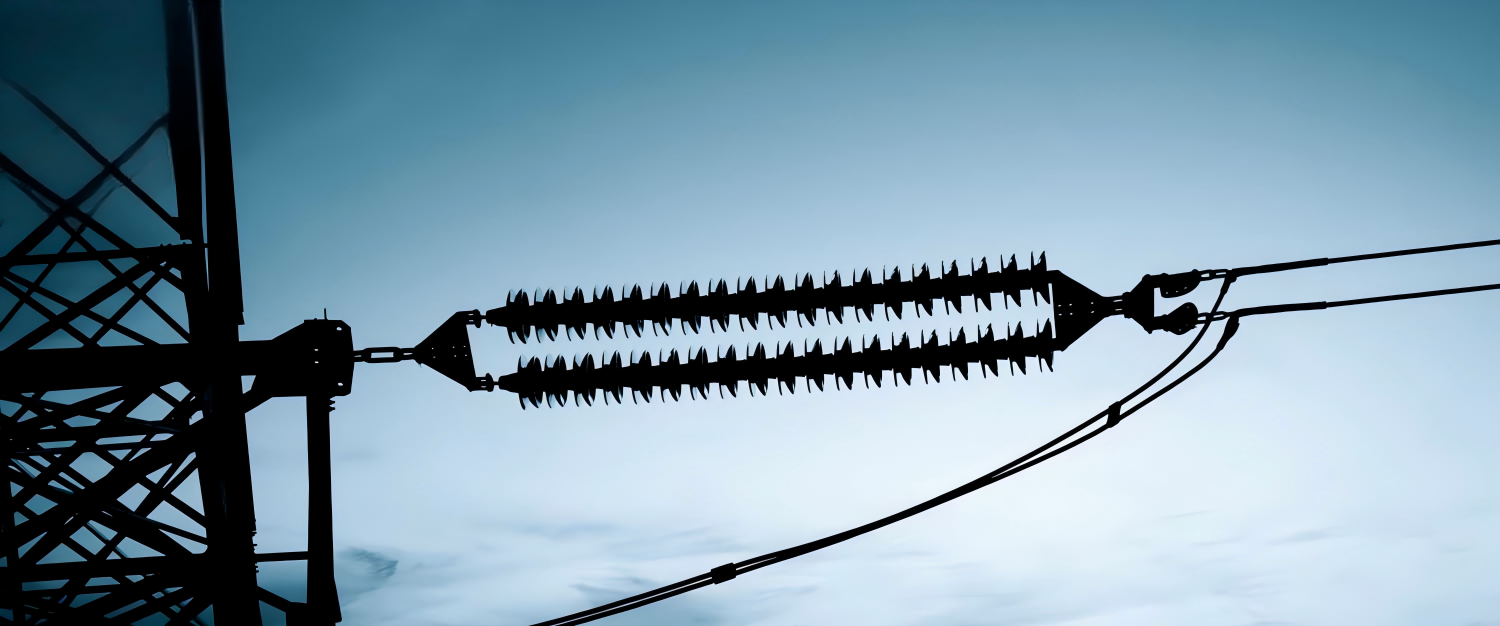
• Double Umbrella Skirt Structure: Adopting a double umbrella skirt design, the insulators feature alternating large and small skirts that enhance wind resistance and deflection ability. This structure increases the creepage distance, improves anti-pollution performance, and reduces wind-induced sway, making it suitable for high-wind environments such as coastal areas and canyons. The double umbrella design also minimizes dirt accumulation, with self-cleaning performance that reduces manual maintenance needs.
• Exceptional Mechanical Strength: The insulators are manufactured with high-strength tempered glass and reinforced steel feet, capable of withstanding mechanical damage loads of 530kN or more—equivalent to the force required to break 8 family cars. This level of strength ensures that the insulator strings can withstand the extreme tension of large span lines, even under severe weather conditions such as typhoons or heavy ice.
Typical Case Study
A 500kV cross-sea transmission project, with a single span length of 2756 meters, is a prime example of glass insulators’ performance in large span applications. The glass insulator strings used in this project can withstand a tensile force exceeding 400kN, far exceeding the project’s design requirements. Thanks to the double umbrella skirt structure, the insulators effectively resist strong marine winds and salt fog corrosion, ensuring stable operation even in harsh coastal environments. This case highlights that glass insulators provide reliable mechanical support for large span transmission lines, reducing the risk of structural failure and ensuring long-term grid stability.
3. Smart Grid and Digital Monitoring
Scenario Overview & Key Requirements
With the global shift toward smart grids and grid modernization, real-time monitoring of insulator status has become a critical requirement for ensuring grid reliability. Smart grids demand accurate, real-time data on insulator conditions, including pollution levels, mechanical stress, and structural integrity, to enable predictive maintenance and rapid fault response. Traditional manual inspection methods are inefficient, time-consuming, and prone to human error, making digital monitoring an essential upgrade for modern power grids. The global composite insulator market, driven by smart grid expansion, is projected to reach USD 7.1 billion by 2035, with smart insulators playing a key role in this growth.
Glass Insulator Adaptation Solutions
Intelligent glass insulators integrate digital monitoring technologies to meet the needs of smart grids, enabling real-time status tracking and fault early warning:
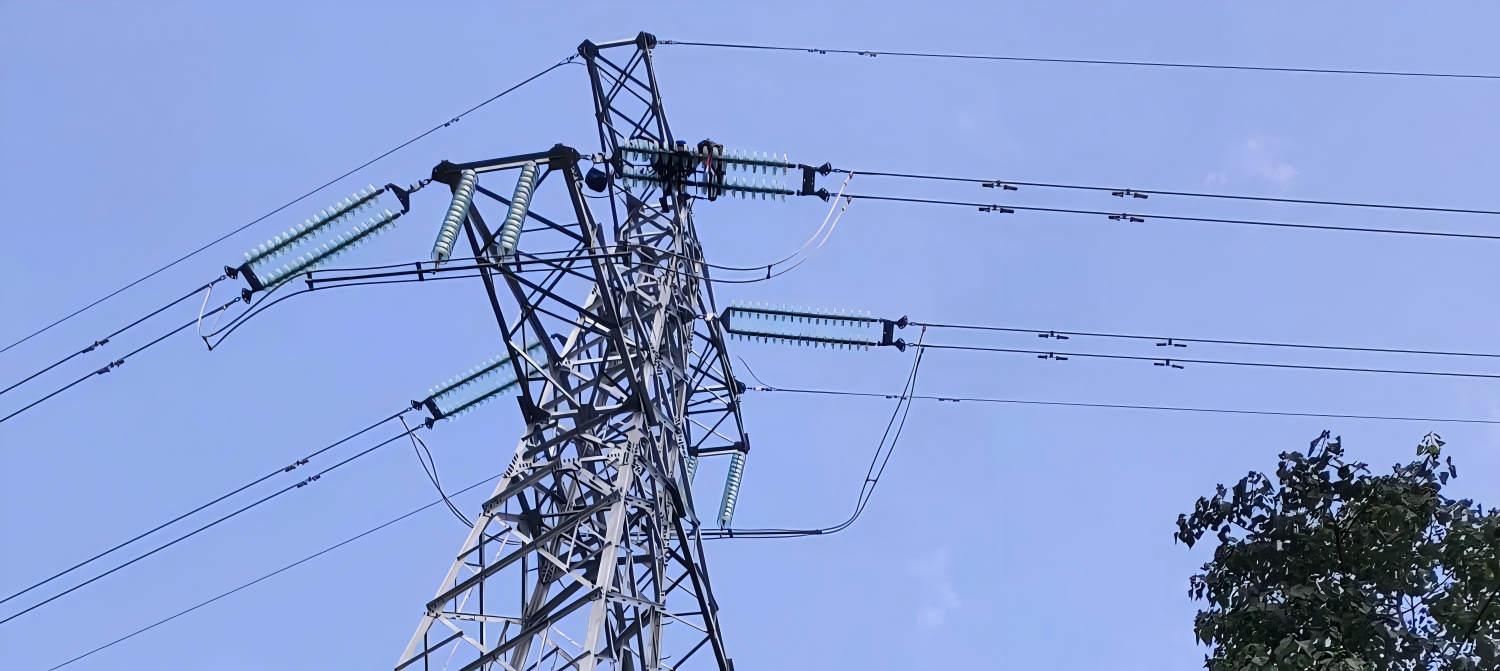
• Integrated RFID Tags or Stress Sensors: RFID tags or high-precision stress sensors are embedded in the steel feet of glass insulators, allowing for real-time collection of data such as mechanical stress, temperature, and pollution levels. RFID technology uses radio waves to transmit data, with special antenna designs optimized for glass surfaces to ensure reliable signal transmission in liquid-free environments. This "alarm upon damage" function enables maintenance personnel to quickly identify and replace faulty insulators, reducing downtime and maintenance costs.
• Seamless Integration with Drone Inspection: The intelligent design of the insulators is compatible with drone inspection systems, allowing for efficient, large-scale monitoring of insulator strings. The embedded sensors and RFID tags provide clear, actionable data to drone inspection tools, streamlining the inspection process and improving accuracy.
Typical Case Study
Tennet, a leading German power grid company, has successfully implemented intelligent glass insulators in its transmission network to enhance inspection efficiency. By integrating RFID tags and sensors into glass insulators, Tennet has improved drone inspection efficiency by 70%, significantly reducing the time and cost required for manual inspections. The real-time monitoring data also enables predictive maintenance, allowing Tennet to address potential insulator issues before they escalate into major faults. This application demonstrates that intelligent glass insulators are a key enabler of smart grid digitalization, improving grid reliability and operational efficiency.
Why Choose Glass Insulators for These Critical Scenarios?
Glass insulators offer unique advantages over ceramic and composite alternatives, making them the preferred choice for ultra HVDC, large span, and smart grid applications:
• Superior Durability: Tempered glass insulators have a lifespan of over 40 years, with resistance to UV rays, extreme temperatures (-30 °C to 80 °C), and pollution. They do not degrade over time, ensuring long-term reliability in harsh environments.
• Self-Shattering Property: Unlike ceramic insulators, damaged glass insulators shatter completely, making flaws easy to spot during inspections and preventing hidden failures.
• Cost-Effectiveness: Low maintenance requirements and long lifespan reduce the total cost of ownership, making glass insulators a cost-effective solution for large-scale power transmission projects.
• Versatility: Glass insulators can be customized to meet the specific requirements of different scenarios, from ultra-high voltage to large span and smart monitoring applications.
Conclusion
As global power grids continue to expand and evolve, the demand for high-performance insulators will only grow. Glass insulators, with their advanced adaptation solutions, proven performance in critical scenarios, and compatibility with smart grid technologies, are poised to play a central role in the future of power transmission. Whether for ultra HVDC projects requiring anti-pollution and anti-ion migration capabilities, large span lines needing exceptional mechanical strength, or smart grids demanding real-time monitoring, glass insulators deliver reliable, efficient, and cost-effective solutions. For industry professionals seeking high-quality insulator solutions, glass insulators are the ideal choice to ensure grid stability and long-term operational success.