
Glass Insulators in Power Systems: Applications, Advantages & Special Environments
Glass Insulators in Power Systems: Applications, Advantages & Special Environments
Introduction: The Unsung Heroes of Power Infrastructure
Glass insulators are critical components in modern electrical systems, serving as the backbone of reliable power transmission and distribution across the globe. Crafted from toughened (tempered) glass with precise engineering, these insulators provide two essential functions simultaneously: mechanical support for electrical conductors and electrical isolation between live parts and grounded structures. Their unique combination of properties—including high dielectric strength (9-13 kV/mm), exceptional mechanical load capacity (40kN to 550kN), and zero-value self-explosion feature—makes them indispensable in both standard and extreme operating conditions.
Unlike ceramic or composite alternatives, glass insulators offer a distinct advantage: when their insulation capacity degrades to a critical level, they self-explode (zero-value recognition), creating visible fragmentation that enables quick fault detection during line inspections. This self-diagnostic capability significantly reduces maintenance costs and enhances grid reliability, particularly in remote areas where regular inspections are challenging.
Core Applications in Power Systems & Special Environments
Glass insulators excel across a wide spectrum of electrical infrastructure, with specialized designs tailored to meet the demands of each unique environment.
1. High Voltage & Ultra-High Voltage Transmission Lines
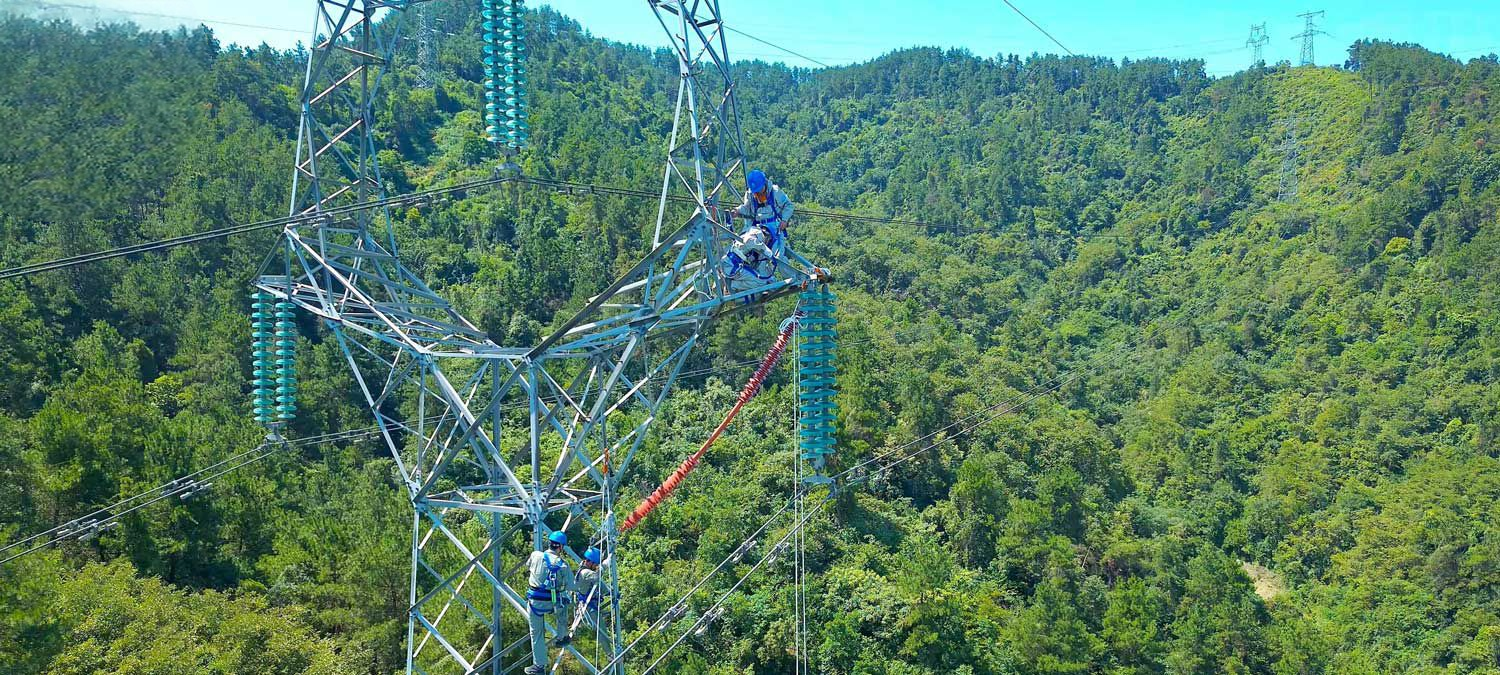
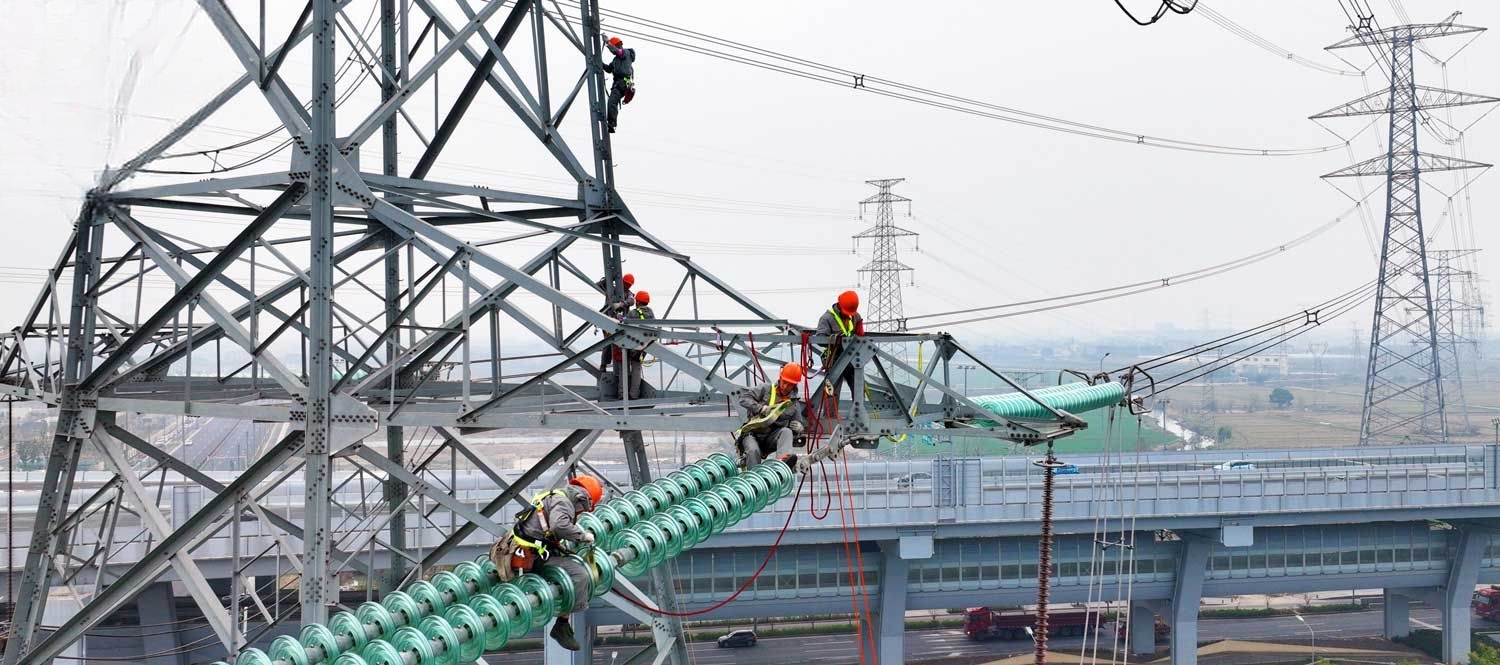
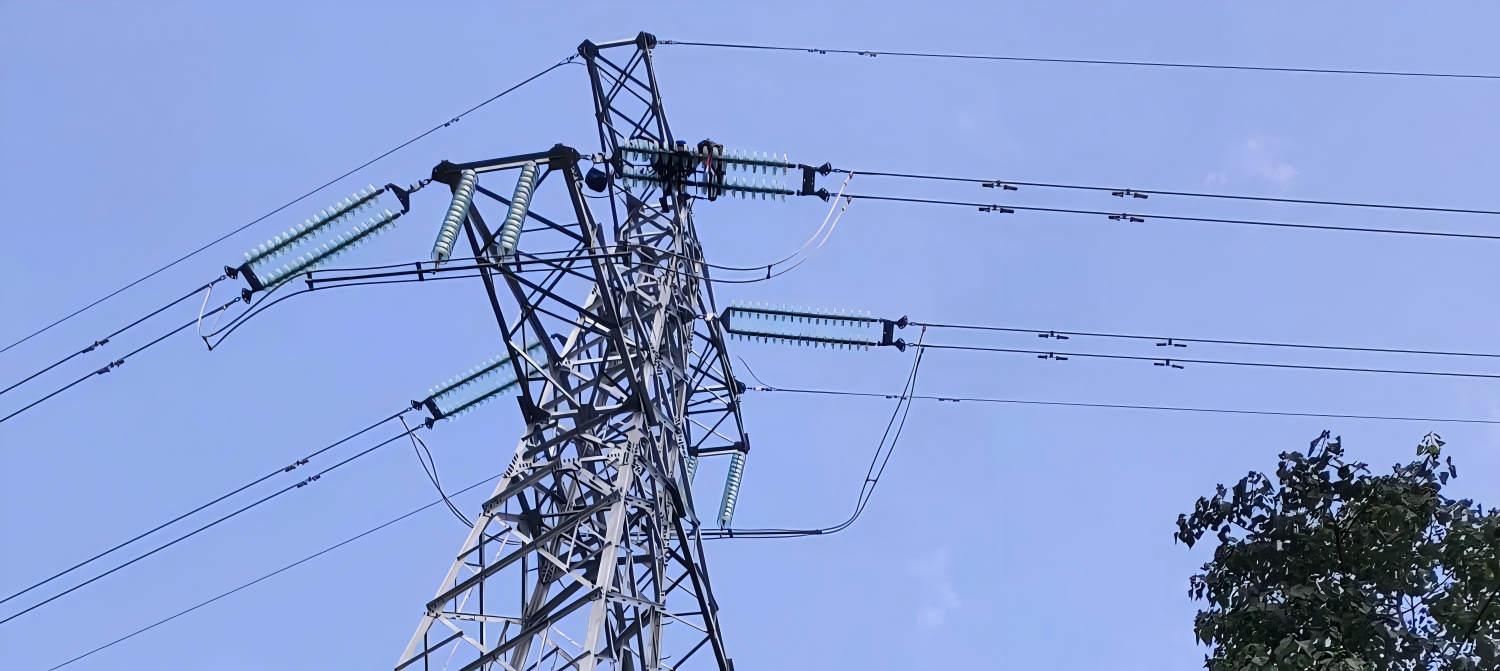
The primary domain of glass insulators—these components are the gold standard for overhead power lines carrying 110kV, 220kV, 500kV, and even 1000kV+ ultra-high voltage (UHV) transmission systems.
· Function: Insulate and support conductors (wires) from transmission towers while withstanding massive mechanical loads (wind, ice, conductor weight) and electrical stresses
· Design Features:
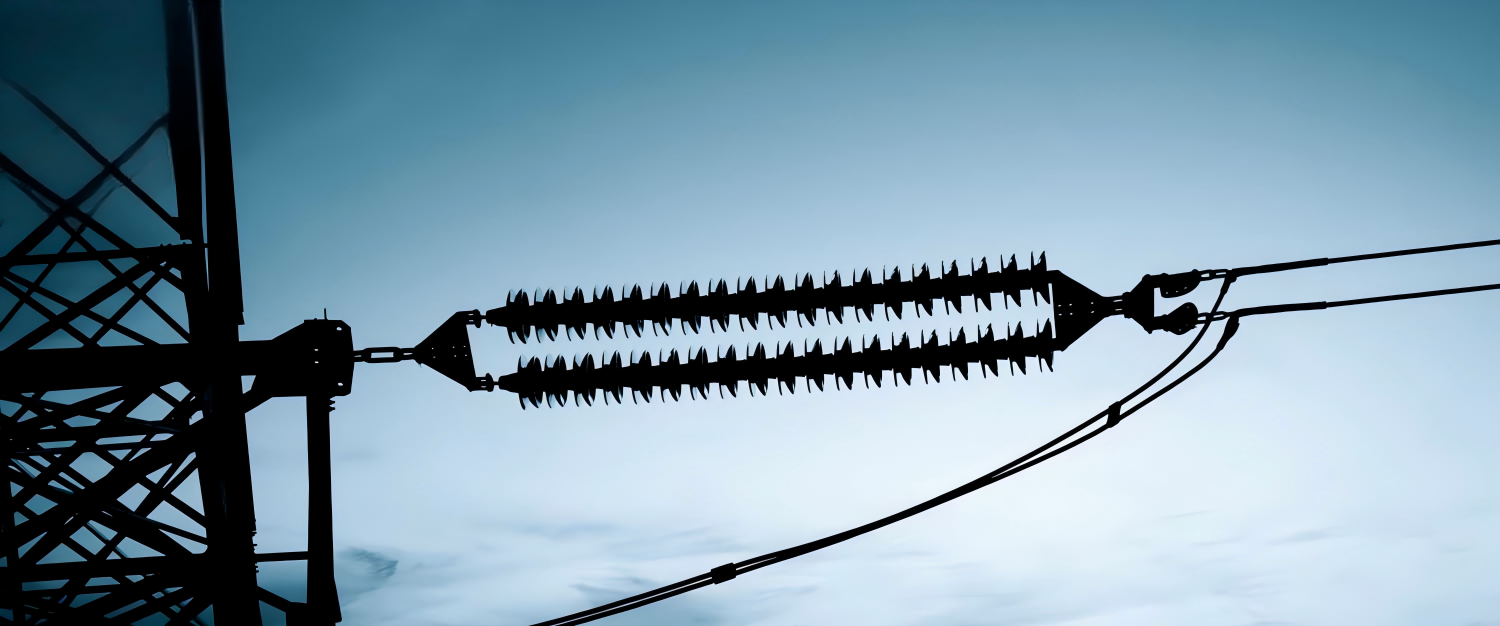
o Suspension insulator strings for straight line sections
o Strain insulators for high-tension areas (sharp turns, long spans)
o Custom creepage distances based on voltage rating and pollution levels
· Why Glass?
o Exceptional electrical breakdown resistance for minimizing flashover risks
o High mechanical strength (up to 550kN) to support heavy conductor loads
o Self-explosion feature for easy fault identification
· Typical Models: U100BL (100kN), U120BL (120kN), U160BS, U240B for higher voltage applications
2. Thunderstorm-Prone Regions (Mountainous & Tropical Areas)
Ideal for lightning-intensive environments where voltage surges pose constant threats to grid stability.
· Challenge: Lightning strikes induce transient overvoltages that can damage equipment and cause widespread blackouts
· Glass Insulator Advantages:
o Optimized grounding design enables rapid dissipation of lightning currents to earth
o High impulse withstand voltage (100kV to 650kV depending on model) to survive direct and indirect strikes
o No performance degradation from repeated lightning events when properly maintained
· Installation Tips:
o Pair with surge arresters for enhanced protection
o Use insulators with increased creepage distance in humid tropical regions
3. High Pollution & High Salt Spray Environments (Coastal & Industrial Zones)
The ultimate solution for dirty electrical environments where conventional insulators struggle with contamination buildup.
· Key Environments:
o Coastal regions with salt-laden air (corrosion and conductive film formation)
o Industrial areas with chemical emissions, dust, and particulate matter
o Desert zones with sandstorms and mineral dust
· Glass Insulator Superiority:
o Smooth, non-porous surface that resists dirt adhesion and facilitates natural cleaning by rainwater (removes over 90% of contaminants)
o Special anti-pollution designs (open profile or fog type) with extended creepage distances
o No moisture absorption compared to porous ceramic alternatives
· Recommended Models: U120BS, U160BS with enhanced creepage distance for severe pollution; open-profile designs for desert regions
4. High Altitude & Extreme Climate Regions
Engineered to survive where other materials fail—from Himalayan peaks to Siberian tundra.
· Environmental Challenges:
o Temperature extremes (-50°C to +80°C) causing material expansion/contraction
o Intense ultraviolet (UV) radiation accelerating aging
o Heavy icing and snow loads increasing mechanical stress
o Low air pressure reducing insulation performance at high altitudes
· Glass Insulator Resilience:
o Thermal stability to withstand extreme temperature fluctuations without cracking
o UV resistance to prevent material degradation in high-sunlight areas
o High mechanical strength (120kN+) to support ice-covered conductors
o Special designs with increased arcing distance for low-pressure environments
· Application Examples:
o Mountainous regions (Andes, Rockies, Himalayas)
o Arctic and Antarctic research stations
o Desert power grids (Sahara, Gobi) with extreme day-night temperature swings
5. Electrified Railway Overhead Contact Systems (OCS)
Critical for reliable train power supply—supporting the dynamic demands of high-speed and heavy-haul rail networks.
· Operational Requirements:
o Withstand constant mechanical vibration from moving pantographs
o Maintain insulation under varying load conditions (from idle to full power)
o Resist weathering and pollution in both urban and rural rail corridors
· Glass Insulator Benefits:
o Vibration resistance to maintain integrity under continuous mechanical stress
o Quick replacement capability when damaged by pantograph strikes
o Consistent electrical performance in both wet and dry conditions
· Specialized Designs:
o Stationary insulators for catenary wires
o Tension insulators for sectioning points and turnouts
o Compact designs for urban railway tunnels with space constraints
6. Substation Equipment Connection
Essential for safe substation operations—insulating busbars, circuit breakers, and isolating switches from grounded structures.
· Key Applications:
o Busbar supports in 33kV to 765kV substations
o Insulation for isolating switches (РДЗ-35 and similar models)
o Connection points between transformers and transmission lines
· Performance Requirements:
o Precision insulation for close-proximity high-voltage components
o Short-circuit withstand capability during fault conditions
o Low maintenance to minimize downtime in critical infrastructure
· Advantages Over Alternatives:
o Transparency for visual inspection of internal components
o Uniform electrical properties across the entire insulator surface
o Long service life (25+ years) with minimal degradation
7. Emerging Applications: Renewable Energy Integration
As the world shifts toward sustainable power generation, glass insulators are finding new roles in:
· Solar Farms: Connecting photovoltaic arrays to grid infrastructure
· Wind Turbines: Insulating nacelle components and power export cables
· Hydropower Plants: Supporting high-voltage connections in dam environments
These applications demand the same reliability as traditional power systems but often require specialized designs for unique installation conditions.
Why Choose Glass Insulators Over Alternatives?
Feature | Glass Insulators | Ceramic Insulators | Composite Insulators |
Zero-value detection | Self-explosion for visual fault identification | Requires electrical testing | Partial discharge monitoring needed |
Pollution performance | Excellent self-cleaning with smooth surface | Good with anti-pollution coating | Superior but higher cost |
Mechanical strength | High (40kN to 550kN) | High but brittle | Very high flexibility |
UV resistance | Exceptional | Good | Variable depending on material |
Service life | 25+ years | 20+ years | 15+ years |
Maintenance cost | Low (self-diagnostic) | Medium | High (periodic testing) |
Practical Selection Guide: Matching Insulators to Applications
Voltage Rating: Choose appropriate model based on system voltage (e.g., U100BL for 110kV, U160BS for 220kV+)
Mechanical Load: Select load capacity (kN) based on expected wind, ice, and conductor weight
Pollution Level:
Light pollution: Standard profile insulators
Medium pollution: Standard profile with increased creepage
Heavy pollution: Fog type or open profile designs
Environmental Conditions:
High altitude: Insulators with enhanced arcing distance
Extreme temperature: Toughened glass with thermal stress resistance
Coastal areas: Anti-corrosion hardware with salt-spray protection
Conclusion: Building Resilient Power Grids with Glass Insulators
Glass insulators have proven their worth for over a century, evolving from simple telegraph line components to sophisticated solutions for modern UHV transmission systems. Their unique combination of electrical performance, mechanical resilience, and self-diagnostic capability makes them the preferred choice for critical power infrastructure worldwide.
As global energy demands grow and power grids expand into more challenging environments—from offshore wind farms to remote rural electrification projects in Africa and Asia—glass insulators will continue to play a vital role in ensuring reliable, efficient, and safe power delivery.