
Kenya 33kV & 11kV Power Distribution Project: Supply and Installation of High-Quality Toughened Glass Suspension Insulators
Kenya 33kV & 11kV Power Distribution Project: Supply and Installation of High-Quality Toughened Glass Suspension Insulators
1. Introduction: Kenya’s Power Infrastructure Development Needs

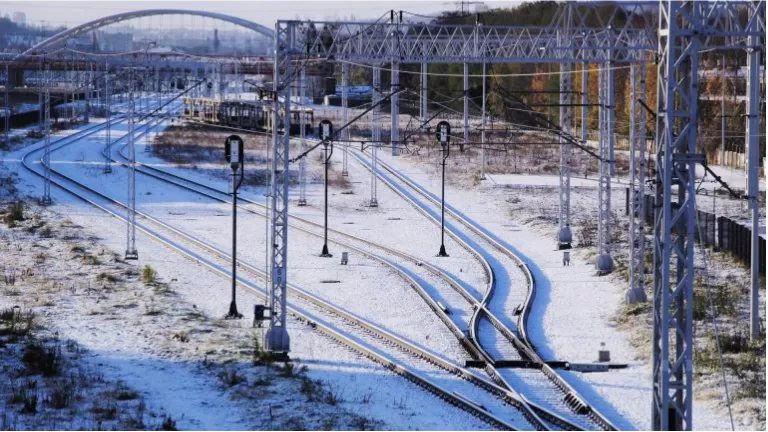
Kenya’s power sector has been experiencing steady growth in recent years, driven by increasing urbanization, industrial expansion, and rural electrification programs. As the national utility company, Kenya Power and Lighting Company (KPLC) plays a critical role in ensuring reliable electricity supply across the country. However, the existing medium voltage (MV) distribution network faces significant challenges, including aging infrastructure, frequent power outages, and insufficient capacity to meet growing demand.
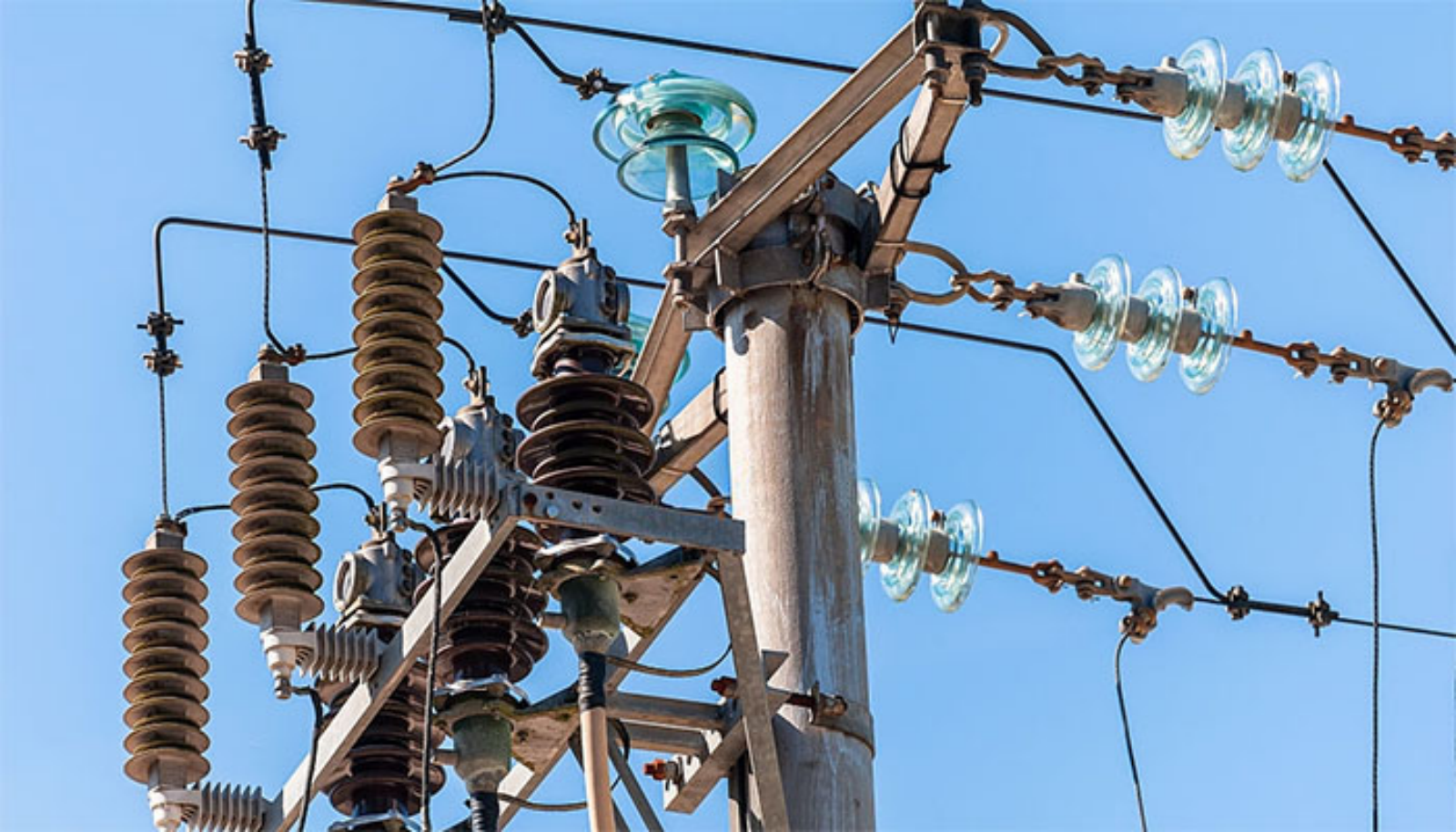
Against this backdrop, the Kenya 33kV/11kV mixed distribution line project emerges as a key initiative to upgrade the country’s power grid. This project focuses on the supply and installation of advanced electrical equipment, with toughened glass suspension insulators serving as a core component. Electrical insulators are essential for maintaining safe and efficient power transmission, as they prevent current leakage and ensure electrical isolation between conductors and support structures.
In this article, we will provide a comprehensive overview of the 33kV & 11kV toughened glass suspension insulators tailored for this Kenyan project, covering technical specifications, quality assurance, logistics, and after-sales support. We will also highlight why these insulators are the optimal choice for KPLC’s distribution network upgrade.
2. Product Overview: 33kV & 11kV Toughened Glass Suspension Insulators
2.1 Product Definition and Core Functions
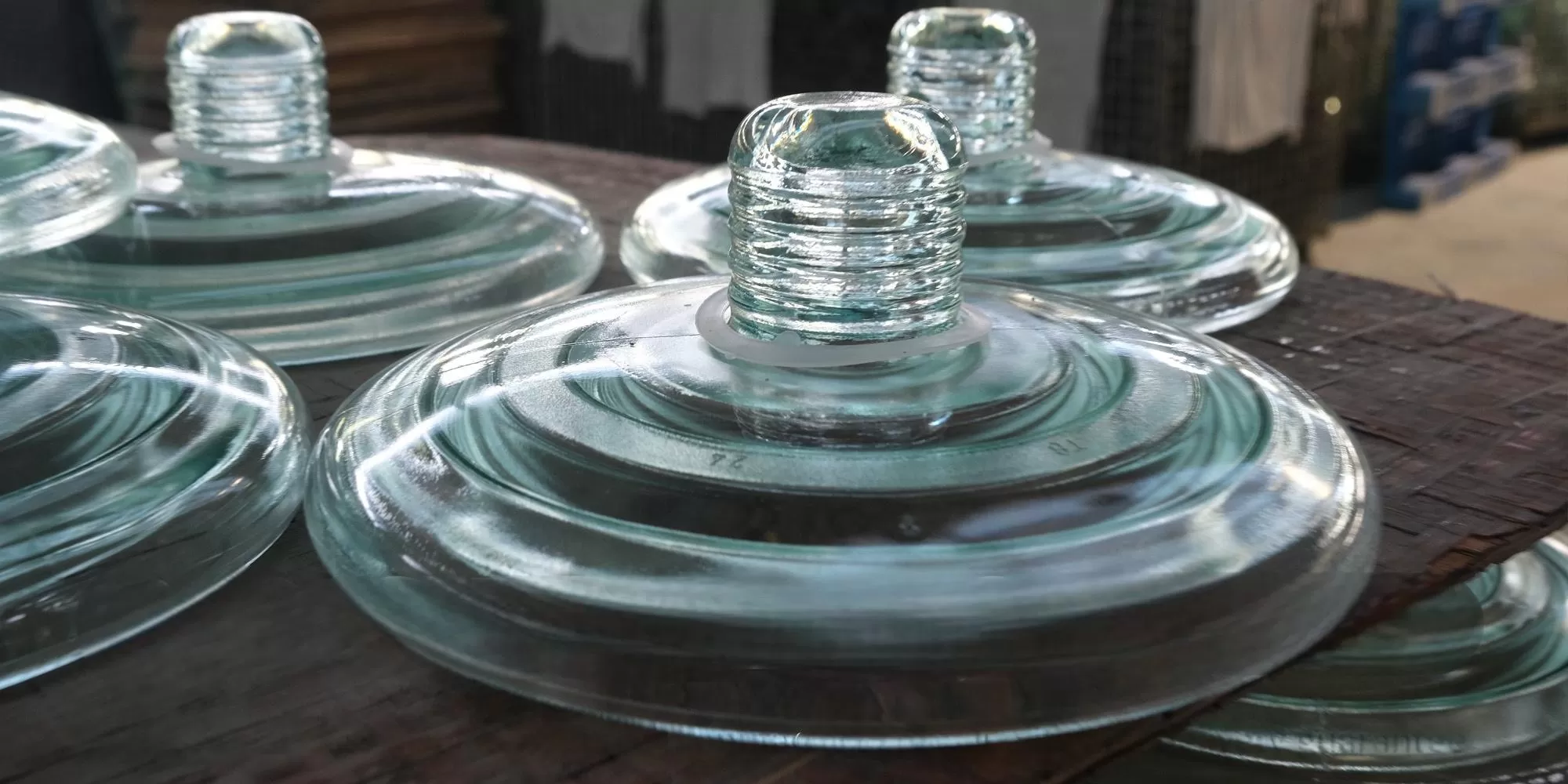
Toughened glass suspension insulators are specialized electrical components designed for medium and high voltage power lines. Unlike traditional porcelain insulators, glass insulators offer superior mechanical strength, chemical resistance, and dielectric performance. For the Kenya 33kV/11kV project, these insulators serve three primary functions:
1. Provide reliable electrical insulation between live conductors and grounded support structures
2. Withstand mechanical loads from conductor weight, wind, and ice conditions
3. Resist environmental pollution and harsh weather in Kenyan climates (e.g., dust, humidity, and temperature variations)
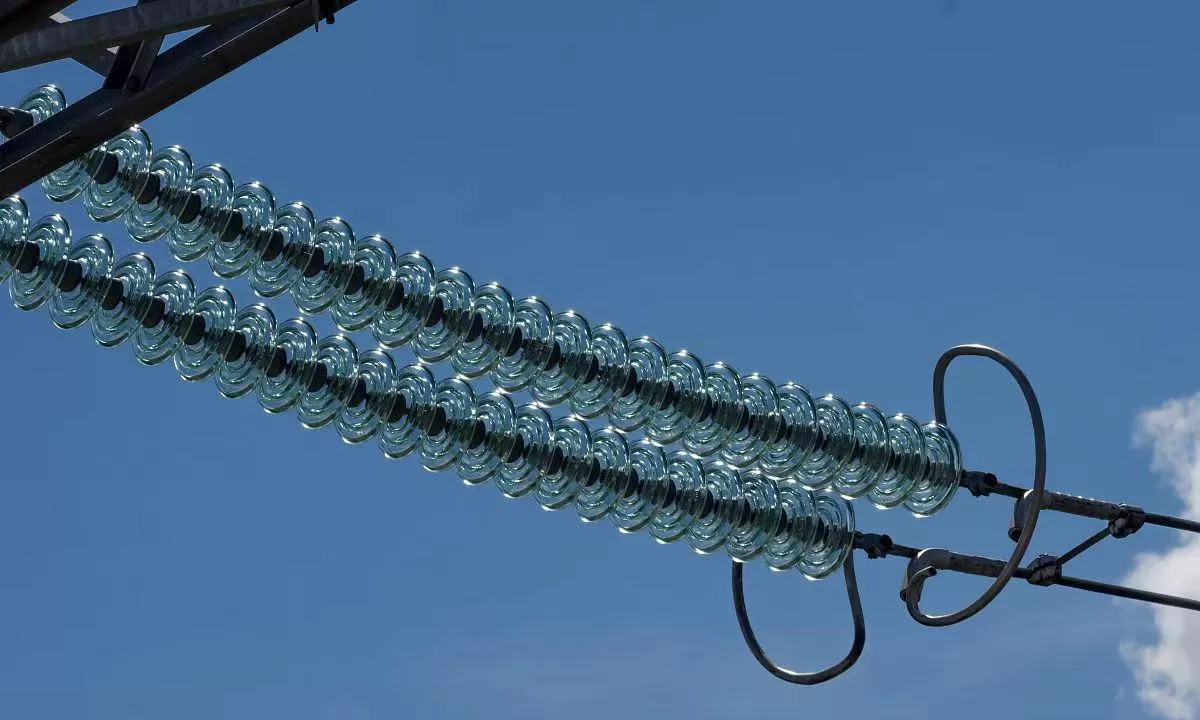
The product line includes two models: 33kV toughened glass suspension insulators and 11kV toughened glass suspension insulators, both engineered to meet KPLC’s strict operational requirements.
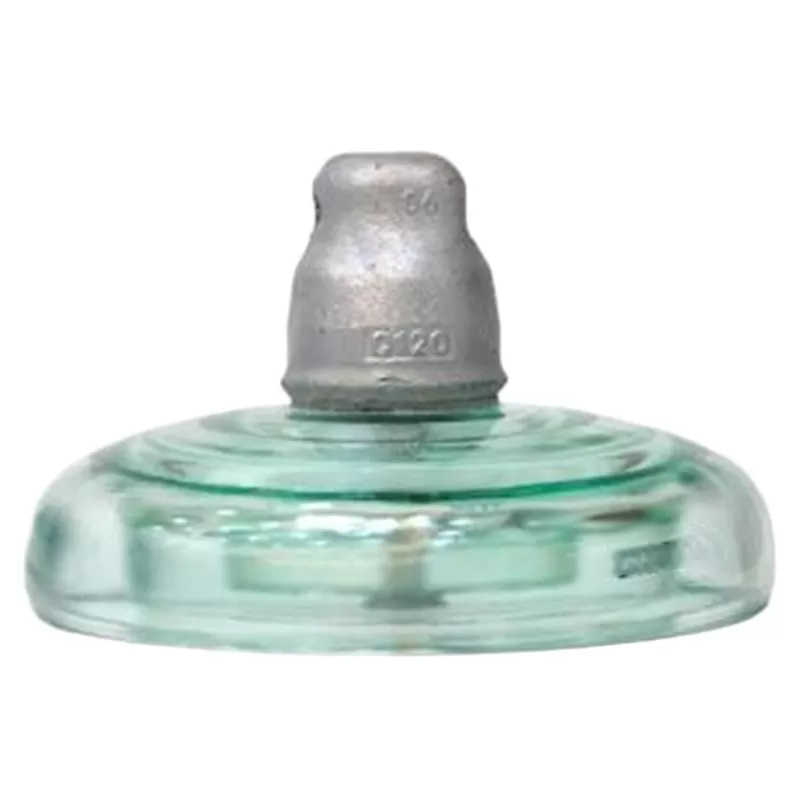
Fig 1: 33kV toughened glass suspension insulators
2.2 Compliance with International Standards
All insulators supplied for this project fully comply with the IEC 60273 standard—the global benchmark for suspension insulators used in power systems. This standard specifies critical requirements for:
· Dielectric strength and insulation performance
· Mechanical load capacity
· Material quality and manufacturing processes
· Testing procedures and acceptance criteria
Compliance with IEC 60273 ensures that the insulators are compatible with international power grid systems and can operate safely under various conditions. Additionally, the products have passed KPLC’s rigorous batch inspection, further validating their suitability for the Kenyan market.
3. Technical Specifications: Tailored for Kenya’s 33kV/11kV Distribution Lines
3.1 Voltage Rating and Electrical Performance
The insulators are specifically designed for KPLC’s 33kV and 11kV distribution lines, with electrical performance parameters optimized for Kenya’s power grid characteristics:
Parameter | 33kV Insulators | 11kV Insulators |
Rated Voltage | 33 kV | 11 kV |
Withstand Voltage (rms) | 70 kV | 35 kV |
Withstand Voltage (peak) | 170 kV | 95 kV |
Creepage Distance | 630 mm | 320 mm |
Clearance Distance | 350 mm | 200 mm |
The creepage distance (630 mm for 33kV, 320 mm for 11kV) is a critical design feature for Kenya’s environment. It refers to the shortest path between two conductive parts along the insulator’s surface, and the extended creepage distance prevents flashover caused by pollution accumulation.
3.2 Mechanical Load Capacity
Kenya’s distribution lines are exposed to varying weather conditions, including strong winds and occasional heavy rains. To ensure structural integrity, the insulators are designed with robust mechanical performance:
· 33kV Insulators:
o Minimum Breaking Load (MBL): 120 kN
o Maximum Working Load: 40 kN
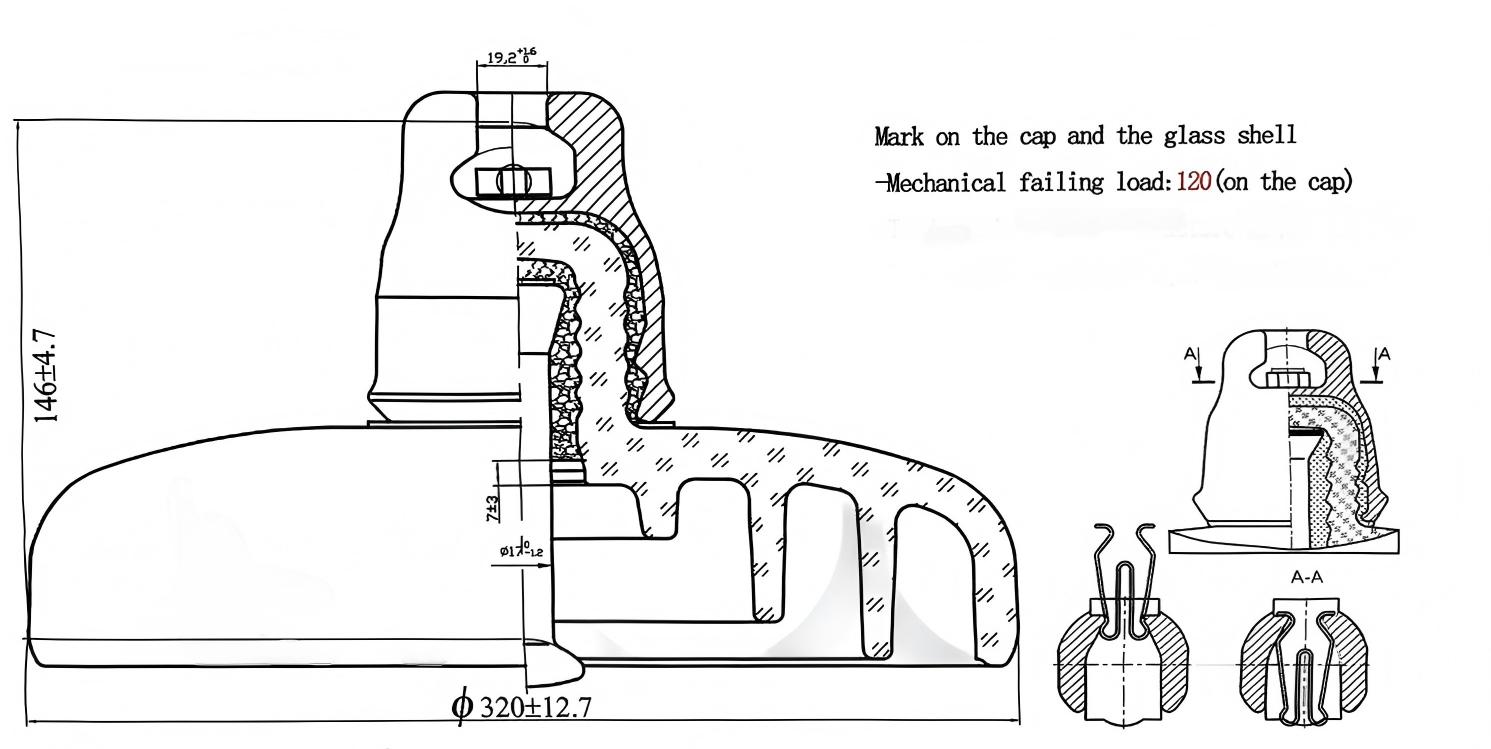
Fig 2: 33kV toughened glass suspension insulators drawing
· 11kV Insulators:
o Minimum Breaking Load (MBL): 70 kN
o Maximum Working Load: 23 kN
The high MBL ensures that the insulators can withstand extreme mechanical stresses, such as conductor sag during temperature changes or wind-induced vibrations. This reliability reduces the risk of insulator failure and subsequent power outages.
3.3 Material Composition and Surface Treatment
The insulators feature a two-part construction optimized for durability and performance:
3.3.1 Core Material: Toughened Glass
The insulator core is made of toughened glass—a material chosen for its superior properties:
· High dielectric strength: Prevents electrical breakdown even at maximum operating voltage
· Impact resistance: Resists damage during transportation and installation
· Corrosion resistance: Unaffected by moisture, chemicals, and UV radiation
· Visual fault detection: Any internal damage (e.g., cracks) causes the glass to shatter, making faults easily identifiable during routine inspections
3.3.2 Surface Treatment
To address Kenya’s diverse environmental conditions, the insulators feature tailored surface treatments:
· 33kV Insulators: Equipped with an anti-pollution coating to prevent the buildup of dust, salt, and other contaminants. This coating reduces the risk of flashover in polluted areas (e.g., urban centers and industrial zones).
· 11kV Insulators: Feature a smooth glaze surface that facilitates self-cleaning through rainwater. This design is ideal for rural areas with lower pollution levels, ensuring long-term insulation performance.
3.4 Fittings and Connection Components
The insulators are equipped with high-quality hot-dip galvanized steel fittings to ensure secure and durable connections:
· Material: Hot-dip galvanized steel provides excellent corrosion resistance, critical for Kenya’s humid coastal and inland climates.
· Connection Type: Ball & Socket design allows for flexible installation and alignment, accommodating minor variations in support structure positioning.
· Compatibility: The fittings are compatible with KPLC’s existing distribution line hardware, reducing installation time and costs.
4. Quality Assurance and Testing Procedures
4.1 Comprehensive Testing Regime
To guarantee performance and reliability, all insulators undergo a rigorous testing process, including:
4.1.1 Routine Tests (Per Unit)
Every insulator is subjected to the following routine tests before leaving the factory:
1. Visual Inspection: Checks for surface defects (e.g., scratches, bubbles, or cracks)
2. Power Frequency Voltage Test: Verifies dielectric strength under rated voltage
3. Mechanical Load Test: Ensures compliance with working load requirements
4. Temperature Cycle Test: Validates performance under extreme temperature changes (-40°C to +80°C)
4.1.2 Type Tests (Per Product Batch)
In addition to routine tests, each production batch undergoes type tests to confirm design integrity:
· Lightning Impulse Test: Simulates lightning strikes to assess insulation resilience
· Pollution Flashover Test: Evaluates performance in contaminated environments
· Long-Term Aging Test: Validates durability over the insulator’s service life (minimum 20 years)
4.2 Certification and Inspection Reports
For the Kenya project, we provide two key documents to demonstrate quality compliance:
1. Routine Test Report: Details test results for each individual insulator, including voltage withstand, mechanical load, and visual inspection data.
2. KPLC Batch Inspection Report: Confirms that the product batch has passed KPLC’s independent inspection, covering dimensions, material composition, and performance parameters.
These reports ensure full transparency and provide KPLC with the confidence that the insulators meet all project requirements.
5. Logistics, Packaging, and Delivery
5.1 Packaging Design for Safe Transportation
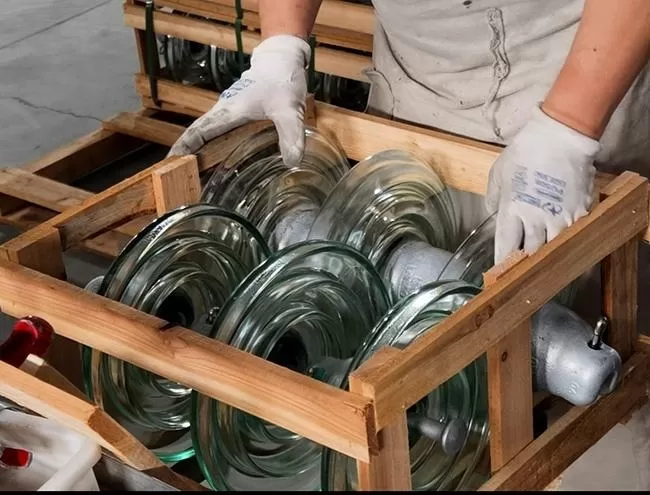
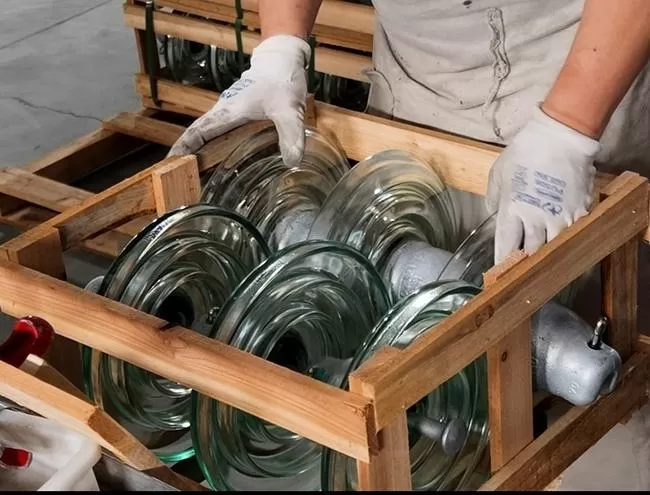
Given the long-distance transportation from the manufacturing facility to Kenya, the insulators are packaged to prevent damage:
Insulator Type | Packaging Specification | Quantity per 40HQ Container |
33kV | 10 pieces per carton (corrugated cardboard with foam inserts) | 3,000 pieces |
11kV | 50 pieces per carton (reinforced cardboard with partition walls) | 10,000 pieces |
The packaging features:
· Shock-absorbing foam inserts to protect against impact
· Moisture-resistant coatings to prevent water damage
· Clear labeling with product details, batch numbers, and handling instructions
5.2 Delivery Timeline and Terms
· Delivery Port: FOB Mombasa (Kenya’s primary seaport, ensuring easy access to KPLC’s project sites)
· Lead Time: 35–45 days after order confirmation (includes manufacturing, testing, and shipping)
· Shipping Method: Containerized sea freight (cost-effective and secure for large-volume shipments)
We work with reputable logistics partners to ensure on-time delivery and provide real-time shipment tracking to KPLC.
6. After-Sales Support and Warranty
6.1 Warranty Coverage
We stand behind the quality of our insulators with a 36-month warranty from the date of installation. The warranty covers:
· Manufacturing defects (e.g., material flaws or improper assembly)
· Electrical failure (e.g., breakdown under rated voltage)
· Mechanical failure (e.g., breakage under specified working loads)
In the event of a warranty claim, we provide replacement insulators and cover associated shipping costs.
6.2 On-Site Installation Support
Recognizing the importance of proper installation for insulator performance, we offer:
· Technical Training: Training sessions for KPLC’s installation teams on proper handling, mounting, and inspection procedures
· On-Site Supervision: Experienced engineers to supervise key installation phases and address technical issues
· Post-Installation Inspection: A final inspection to ensure all insulators are correctly installed and functioning properly
This support minimizes installation errors and ensures the long-term reliability of the distribution line.
7. Why Choose Toughened Glass Suspension Insulators for Kenya’s Project?
7.1 Superior Performance Compared to Porcelain Insulators
While porcelain insulators are commonly used in power systems, toughened glass insulators offer distinct advantages for Kenya’s conditions:
Feature | Toughened Glass Insulators | Porcelain Insulators |
Mechanical Strength | Higher (120 kN MBL for 33kV) | Lower (typically 90 kN MBL) |
Fault Detection | Visual (shatters when damaged) | Requires specialized testing |
Corrosion Resistance | Excellent (resists moisture) | Prone to cracking in humid conditions |
Installation | Lighter weight (easier handling) | Heavier (higher labor costs) |
Service Life | 20+ years | 15–18 years |
7.2 Environmental Adaptability
Kenya’s diverse climate—from the humid coastal region (Mombasa) to arid inland areas—demands insulators that can withstand varying conditions. The anti-pollution coating on 33kV insulators ensures performance in urban and industrial zones, while the smooth glaze on 11kV insulators is ideal for rural areas. This adaptability reduces maintenance costs and extends the insulator’s service life.
7.3 Cost-Effectiveness
Despite a slightly higher initial cost compared to porcelain insulators, toughened glass insulators offer long-term cost savings:
· Lower maintenance costs: Reduced need for cleaning and replacement
· Fewer power outages: Higher reliability minimizes revenue losses for KPLC
· Longer service life: Extends the interval between network upgrades
8. Conclusion: Partnering for Kenya’s Power Infrastructure Future
The Kenya 33kV/11kV distribution line project represents a critical step in upgrading the country’s power grid, and toughened glass suspension insulators are essential to its success. Our products are engineered to meet KPLC’s strict requirements, with technical specifications optimized for Kenya’s voltage systems, environmental conditions, and mechanical stressors.
By choosing our insulators, KPLC benefits from:
· Compliance with international standards (IEC 60273) and local KPLC requirements
· Superior performance in diverse Kenyan climates
· Comprehensive quality assurance and testing
· Reliable logistics and on-time delivery
· Long-term warranty and on-site support
We are committed to supporting Kenya’s power infrastructure development and look forward to a successful partnership with KPLC on this project. For more information about our 33kV & 11kV toughened glass suspension insulators or to request a technical proposal, please contact our sales team.