
Equipment Selection for Togo’s 11kV Distribution Line Project: Line Accessories, Arrester and Air Switch
Equipment Selection for Togo’s 11kV Distribution Line Project: Line Accessories, Arrester and Air Switch
A Comprehensive Guide to Reliable, Cost-Effective Electrical Equipment for Togo’s Rural and Urban 11kV Power Distribution Networks
Introduction: Togo’s Power Landscape and the 11kV Distribution Line Project
Togo, a small West African nation bordered by Ghana, Benin, and Burkina Faso, is undergoing a critical phase of power infrastructure development to address its growing energy needs and expand access to electricity. According to World Bank data, Togo’s electricity access rate stood at 59.2% in 2023—a significant improvement but still lagging behind regional peers like Ghana (89.5%) and Cote d’Ivoire (72.4%). To bridge this gap, the Togolese government has launched an ambitious national energy plan, allocating 570 billion West African CFA francs to power sector development, with a focus on rural electrification, grid modernization, and renewable energy integration by 2030. At the core of this plan is the 11kV Distribution Line Project—a nationwide initiative to construct and upgrade over 800 kilometers of 11kV distribution lines, connecting medium-voltage substations (33kV/11kV) to residential, commercial, and small industrial users across urban centers (e.g., Lomé, Sokodé, Kara) and rural communities.
11kV distribution lines are the “last mile” of Togo’s power grid, responsible for delivering reliable electricity from high-voltage transmission networks to end users. Unlike high-voltage transmission lines (161kV/66kV) that transport power over long distances—such as the Sokodé Substation project completed in 2015—11kV distribution lines operate in diverse, challenging environments: dense urban neighborhoods in Lomé, agricultural rural areas in the central plateau, and semi-arid regions in the north. These lines require three critical types of equipment to ensure safe, uninterrupted operation: line accessories (including 11kV toughened glass pin insulators) to support and insulate conductors, arresters to protect against overvoltages, and air switches to control and isolate electrical circuits. The selection of these equipment is not a one-size-fits-all process; it must be tailored to Togo’s unique climate, terrain, pollution conditions, and operational needs.
Togo’s power sector faces three key challenges that directly influence equipment selection: frequent lightning strikes (common in the country’s tropical savanna climate), agricultural and urban pollution that degrades insulation performance, and limited maintenance resources (especially in rural areas). Additionally, the Togolese government prioritizes cost-effectiveness, as the country’s power utility (CEET—Compagnie Électrique du Togo) operates under tight budget constraints while striving to expand electrification. This article follows the proven, context-driven selection framework used in previous projects (Mozambique, Kenya) to detail the step-by-step process for selecting 11kV line accessories, arresters, and air switches for Togo’s distribution line project. Every choice—from voltage rating to material selection—aligns with IEC international standards, CEET’s operational requirements, and Togo’s long-term energy goals.

1. Step One: Voltage Level as the Cornerstone of Equipment Selection for 11kV Distribution Lines
The first and most critical criterion in selecting electrical equipment for Togo’s 11kV distribution line project is the system voltage level. 11kV distribution lines operate at a nominal voltage of 11kV, with a maximum system voltage of 12kV (consistent with IEC 60383-2, the international standard for low- and medium-voltage insulators). Unlike high-voltage transmission lines, 11kV distribution lines carry lower voltages but are more exposed to end-user demands and environmental stressors—making voltage compatibility and insulation performance critical for reliable operation.
All three types of equipment (line accessories, arresters, air switches) must be rated for 11kV operation to prevent insulation breakdown, short circuits, and equipment failure. This section focuses on how voltage level dictates the design and specifications of each equipment type, with a particular emphasis on the 11kV toughened glass pin insulators (a key line accessory) provided in the project parameters.
Why 11kV Requires Specialized Equipment Design for Togo’s Distribution Lines
11kV distribution lines occupy a unique position in Togo’s power grid: they connect 33kV substations to end users, meaning they must handle both the electrical stresses of medium-voltage operation and the variability of customer demand (e.g., peak loads from residential air conditioning in Lomé, agricultural pumping in rural areas). For CEET, the national power utility, equipment must meet two core voltage-related requirements to ensure grid stability and safety:
1. Withstand Electrical Stresses and Overvoltages: 11kV distribution lines are vulnerable to two types of overvoltages: lightning-induced surges (common in Togo’s rainy season, April–October) and switching overvoltages (caused by opening or closing air switches). To prevent insulation failure and power outages, each equipment type must meet strict withstand voltage ratings aligned with IEC standards:
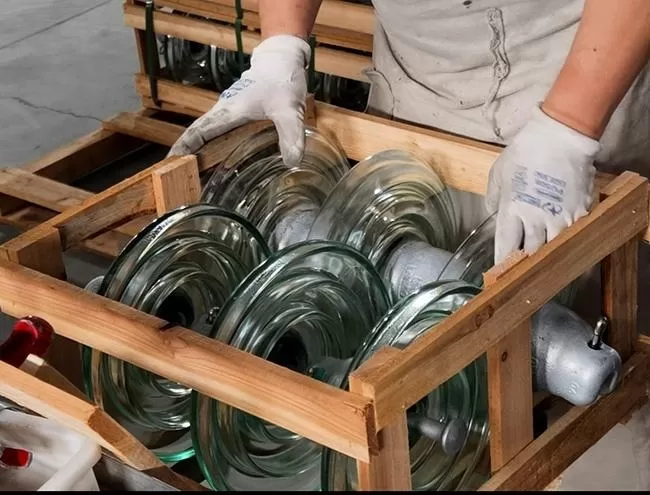
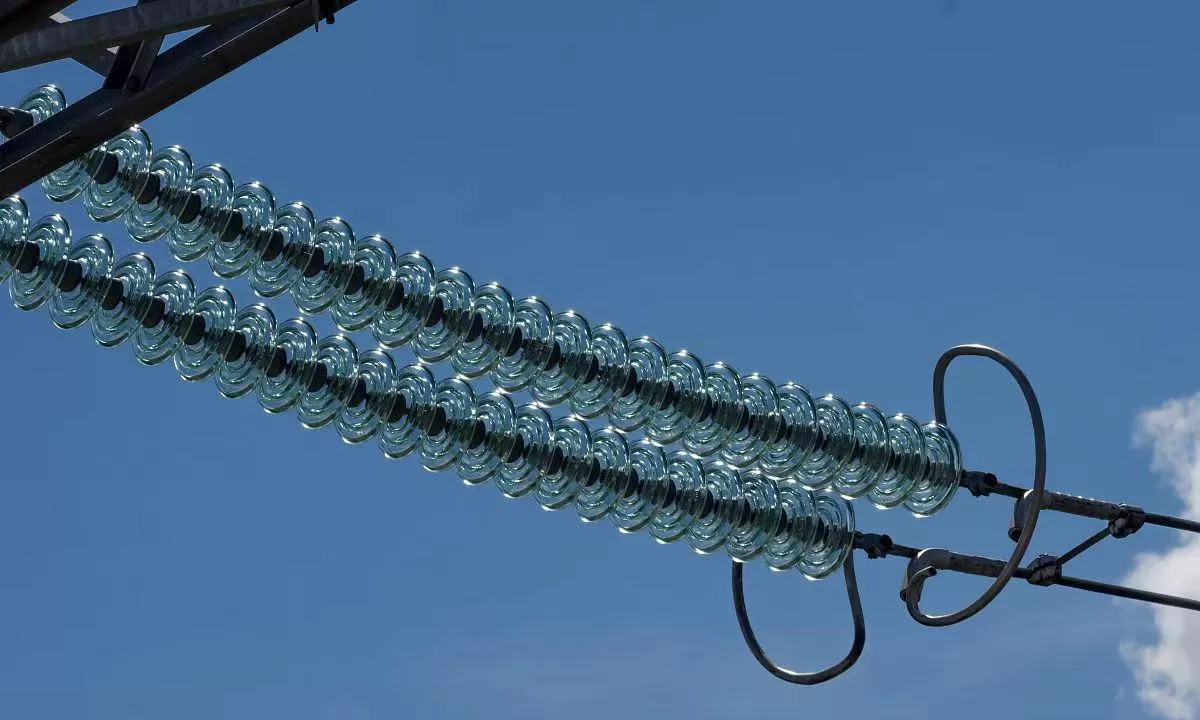
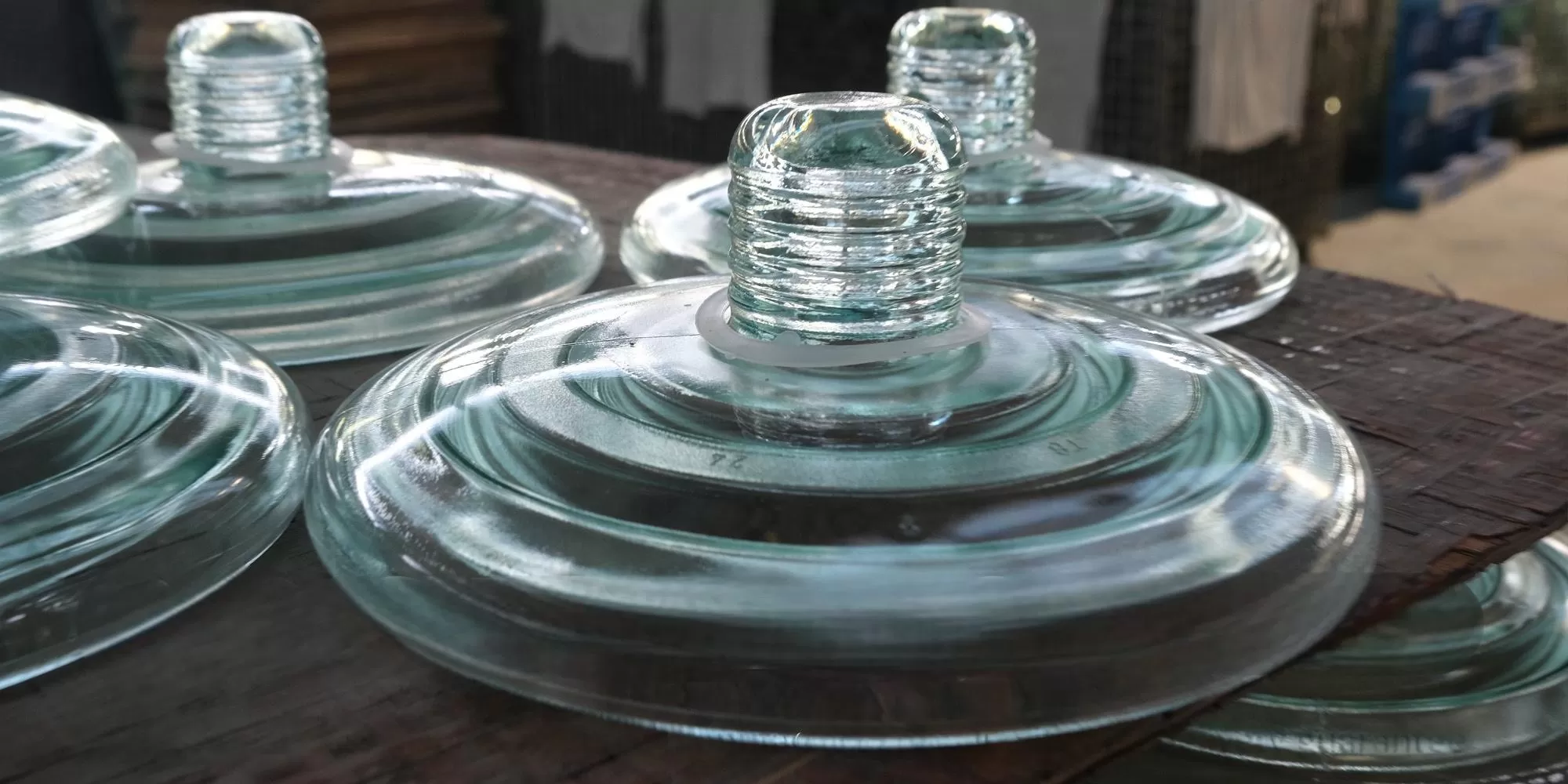
○ 11kV Toughened Glass Pin Insulators: As specified in the project parameters, these insulators must have a power frequency withstand voltage of 35 kV rms and a lightning impulse withstand voltage of 95 kV peak. This ensures they can withstand sustained high voltages during grid faults and transient surges from lightning—critical for Togo’s lightning-prone climate.
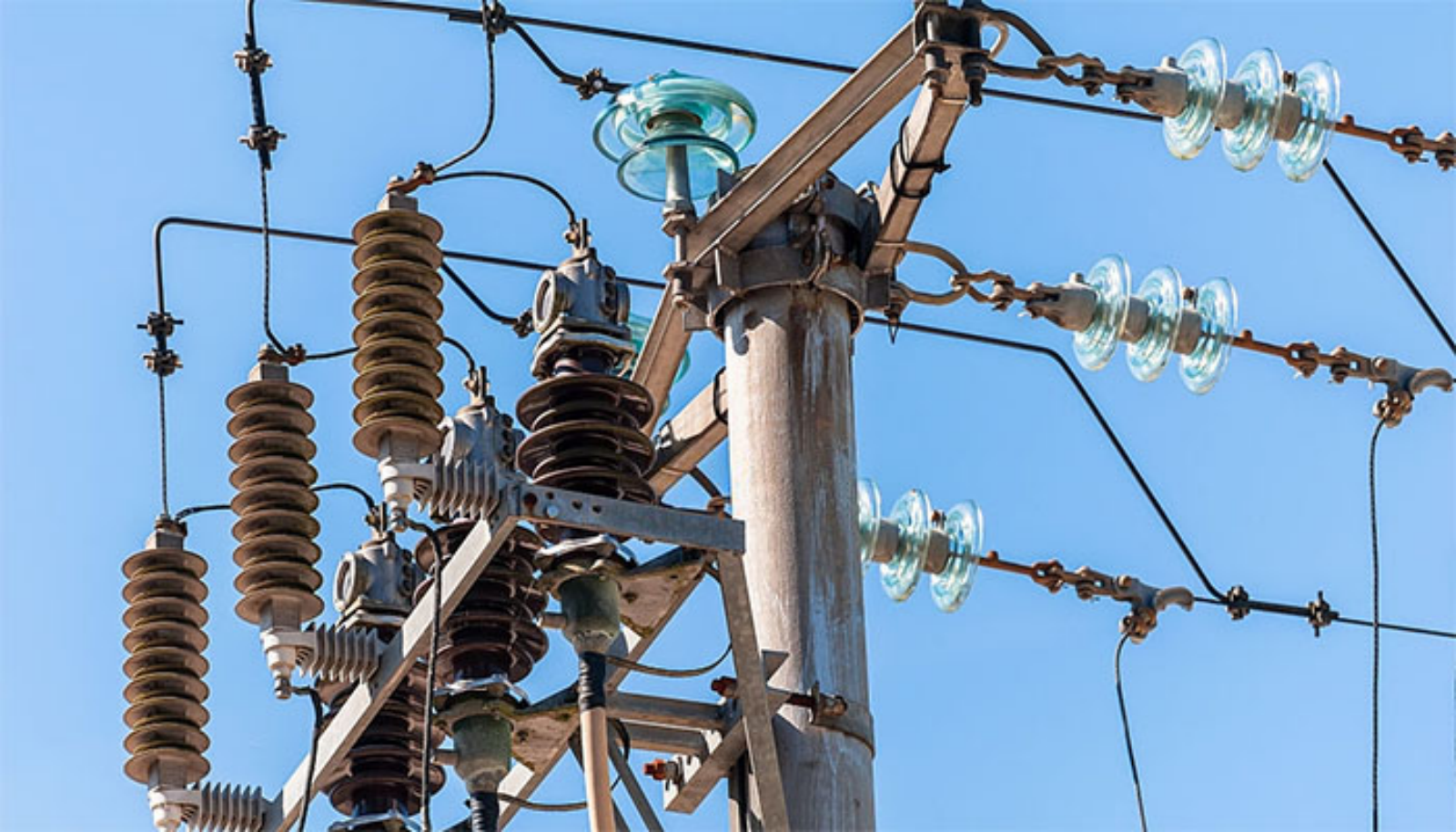
○ 11kV Arresters: To protect the line from overvoltages, arresters must have a rated voltage of 11kV and a lightning impulse discharge current rating of 5kA (8/20μs waveform), aligning with IEC 60099-4 (the international standard for metal oxide arresters). This rating ensures the arrester can safely divert lightning and switching surges to ground, preventing damage to insulators and other equipment.
○ 11kV Air Switches: Air switches (also known as air circuit breakers) must have a rated voltage of 11kV and a power frequency withstand voltage of 35 kV rms (1 minute), matching the insulators’ voltage rating. This ensures the switch can safely isolate circuits during maintenance or faults without insulation breakdown.
2. Compatibility with CEET’s Existing Grid: CEET’s power grid uses IEC-standard equipment, meaning all new 11kV equipment must integrate seamlessly with existing 33kV/11kV substations and distribution lines. For example, the 11kV pin insulators’ (pin-type) connection must match CEET’s standard cross-arm hardware, while air switches must be compatible with the utility’s existing control systems. This compatibility reduces installation time, costs, and the risk of operational errors.
Comparing 11kV Equipment Requirements to Other Voltage Levels in Togo
To highlight the uniqueness of 11kV equipment selection, it is critical to contrast it with other voltage classes in Togo’s power grid—especially since CEET manages a mixed grid of high, medium, and low voltages:
• Low-Voltage (0.4kV) Distribution: These lines supply electricity directly to homes and small businesses. Equipment for 0.4kV lines (e.g., low-voltage insulators, miniature circuit breakers) has much lower voltage ratings (e.g., power frequency withstand voltage of 2kV rms) and is not designed to handle the electrical stresses of 11kV operation. Using 0.4kV equipment in an 11kV line would result in immediate insulation breakdown and catastrophic failure.
• High-Voltage (33kV/161kV) Transmission: These lines transport power over long distances (e.g., from the Sokodé photovoltaic power plant to Lomé). Equipment for high-voltage lines (e.g., suspension insulators, high-voltage circuit breakers) has far higher voltage ratings (e.g., 33kV insulators with a power frequency withstand voltage of 95 kV rms) and is significantly larger and more expensive. Using 33kV equipment in an 11kV line would be unnecessarily costly (increasing material costs by 50–60%) without providing any additional performance benefits—critical for CEET’s budget-constrained operations.

This balance makes 11kV-specific equipment the only viable choice for Togo’s distribution line project. The 11kV toughened glass pin insulators, arresters, and air switches selected for the project meet the exact electrical demands of the 11kV grid while avoiding overengineering—aligning with CEET’s goal of expanding electrification cost-effectively. Additionally, the equipment’s voltage ratings are compatible with Togo’s plans to integrate renewable energy (e.g., solar power plants in Blitta and Sokodé) into the grid, ensuring stable power delivery even as generation sources diversify.
2. Step Two: Mechanical Load Assessment – Matching Equipment Strength to Togo’s Distribution Line Conditions
While voltage compatibility is critical, 11kV distribution line equipment must also withstand a range of mechanical loads—including conductor tension, wind loads, agricultural and urban debris impact, and installation/maintenance stresses. Togo’s diverse terrain (coastal plains, central plateau, northern semi-arid regions) and climate (tropical savanna with seasonal winds and heavy rains) create varying mechanical load conditions across the country. For line accessories (especially pin insulators), mechanical strength is particularly important, as they are responsible for supporting the weight of conductors and resisting environmental forces. This section details the mechanical load requirements for each equipment type, with a focus on the 11kV toughened glass pin insulators specified in the project.
Key Mechanical Loads for 11kV Distribution Line Equipment
Togo’s 11kV distribution lines face four primary mechanical loads, each requiring careful consideration during equipment selection. These loads vary by location—e.g., coastal areas face stronger winds, while rural agricultural areas face debris impact from farming activities:
1. Conductor Tension and Weight: 11kV distribution lines use aluminum conductors (typically 120mm²–240mm²) that weigh 0.3–0.6kg per meter. Pin insulators (a key line accessory) must support this weight while withstanding conductor tension—especially in areas with long span lengths (up to 50 meters in rural areas). As specified in the project parameters, the 11kV toughened glass pin insulators have a minimum mechanical breaking load (MBL) of 70 kN and a recommended working load of 23 kN. This ensures they can safely support conductor weight and tension without breaking or bending—consistent with IEC 60383-2 and CEET’s technical specifications.
2. Wind Loads: Togo’s seasonal winds (up to 25m/s during the rainy season) exert lateral forces on conductors and insulators, creating bending stress on pin insulators and line accessories. In coastal areas (e.g., Lomé, Aného), wind loads are amplified by salt-laden breezes, while in the northern semi-arid regions, strong gusts can cause conductors to sway violently. For pin insulators, this requires a rigid design that can withstand bending forces, while line accessories (e.g., line clamps) must have a high tensile strength to prevent conductor slippage. Air switches, mounted on utility poles, must also be designed to resist wind-induced vibration to avoid contact failure.
3. Impact Loads: Rural 11kV distribution lines in Togo are particularly vulnerable to impact loads from agricultural activities (e.g., farm machinery, falling tree branches) and wildlife (e.g., birds, monkeys). Pin insulators with a toughened glass core are inherently impact-resistant—unlike porcelain insulators, which are brittle and prone to cracking. The project’s pin insulators are designed to withstand impact loads of up to 10J, ensuring they remain intact even if struck by small debris. Line accessories (e.g., protective caps) are also included to shield insulator connections from impact damage.
4. Installation and Maintenance Loads: During installation and maintenance, equipment must withstand temporary loads from tools, workers, and conductor handling. For example, pin insulators must support the weight of workers during pole climbing and conductor installation, while air switches must withstand the force of manual operation. The recommended working load of 23 kN for pin insulators provides a safety factor of 3x (industry standard for distribution line equipment), ensuring no damage occurs during routine operations.
Calculating the Required Mechanical Ratings for Togo’s Project
Based on CEET’s technical specifications, Togo’s climate, and terrain, the required mechanical ratings for each equipment type are as follows (with a focus on the specified pin insulators):
• 11kV Toughened Glass Pin Insulators:
○ Minimum Mechanical Breaking Load (MBL): 70 kN (as specified in the project parameters)
○ Recommended Working Load: 23 kN (1/3 of MBL, ensuring a safe operating margin)
○ Bending Strength: 10 kN (minimum) – to withstand wind-induced bending forces
○ Impact Resistance: 10J (minimum) – to resist damage from debris and installation mishaps
• Line Accessories (Line Clamps, Cross-Arm Fittings):
○ Tensile Strength: 80 kN (minimum) – to withstand conductor tension
○ Material: Hot-dip galvanized steel (as specified for pin insulator connectors) – to resist corrosion and ensure mechanical durability
• 11kV Arresters:
○ Mounting Strength: 5 kN (minimum) – to withstand wind loads and vibration when mounted on utility poles
○ Mechanical Durability: Resistance to vibration and impact (consistent with IEC 60099-4)
• 11kV Air Switches:
○ Operating Mechanism Strength: 2 kN (minimum) – to ensure reliable manual operation
○ Mounting Strength: 10 kN (minimum) – to secure the switch to utility poles under wind loads
Tailoring Mechanical Strength to Togo’s Distribution Line Locations
Togo’s diverse geography means mechanical load requirements vary by distribution line location. CEET’s 11kV distribution lines are divided into three categories, each requiring slight adjustments to equipment mechanical ratings (consistent with the project’s pin insulator specifications):
1. Urban Distribution Lines (e.g., Lomé, Sokodé): These lines are located in dense urban areas with moderate wind loads (up to 15m/s) and minimal impact from debris. The standard 11kV pin insulators (70 kN MBL, 23 kN working load) are sufficient, as wind loads are mitigated by surrounding buildings. Line accessories and air switches use standard mechanical ratings, as urban lines are regularly maintained and less vulnerable to agricultural debris.
2. Coastal Distribution Lines (e.g., Lomé, Aného): These lines face strong, salt-laden winds (up to 25m/s) and high humidity, which increase mechanical stress and corrosion risk. Pin insulators retain the 70 kN MBL but use reinforced hot-dip galvanized steel connectors (as specified in the project) to resist salt-induced corrosion. Line accessories (e.g., line clamps) are also upgraded to 90 kN tensile strength to withstand increased wind-induced conductor tension.
3. Rural/Agricultural Distribution Lines (e.g., Blitta, Kara): These lines face moderate wind loads (up to 20m/s) and high impact risk from agricultural debris and wildlife. Pin insulators retain the 70 kN MBL and 23 kN working load, but additional protective caps are added to shield the insulator core from impact. Air switches are mounted with reinforced brackets to resist vibration from farm machinery and strong gusts.
This granular approach ensures that each piece of equipment is tailored to its specific mechanical load conditions, optimizing both performance and cost. Using a one-size-fits-all approach (e.g., upgrading all pin insulators to a higher MBL) would increase material costs by 25–30% without providing additional benefits for urban lines with lower wind loads—critical for CEET’s budget constraints.
3. Step Three: Pollution Environment Analysis – Tailoring Equipment to Togo’s Contamination Zones
Pollution is a major threat to 11kV distribution line reliability in Togo, as contaminants accumulate on insulator surfaces, reduce insulation resistance, and trigger flashover (a sudden breakdown of insulation that causes power outages). Togo’s 11kV distribution lines are located across three distinct pollution zones—urban, rural agricultural, and coastal—and each zone presents unique contamination challenges. For CEET, reducing pollution-induced outages is a top priority, as these outages account for 35% of all distribution line failures (per CEET’s 2023 operational report). This section analyzes Togo’s pollution zones and details how the selected equipment—especially the 11kV toughened glass pin insulators—resists contamination to ensure reliable operation.
Classifying Togo’s 11kV Distribution Line Pollution Zones
Based on IEC 60815 (the international standard for pollution classification of insulators) and CEET’s field data, Togo’s 11kV distribution lines are divided into three pollution zones. These classifications align with global standards, ensuring equipment selection meets international best practices:
1. Zone 1: Urban (Medium Pollution – IEC Class II)
○ Locations: Lomé (capital), Sokodé, Kara (major urban centers).
○ Contaminants: Urban dust (from construction and vehicle traffic), exhaust fumes (from diesel generators and vehicles), and small amounts of industrial pollution (from light manufacturing in Lomé). These contaminants are moderately conductive and hygroscopic (absorb moisture), forming a thin conductive film on insulator surfaces—especially during the rainy season.
○ Pollution Severity: Medium (IEC Class II), requiring a minimum specific creepage distance of 20mm/kV (consistent with GB/T 20840.1-2012 standards for medium pollution zones).
2. Zone 2: Rural Agricultural (Medium-Light Pollution – IEC Class I–II)
○ Locations: Blitta, Atakpamé, and rural areas of the central plateau.
○ Contaminants: Agricultural dust (from plowing, harvesting, and livestock farming), fertilizer residues (nitrogen-based fertilizers, which are slightly conductive), and organic debris (leaves, grass). These contaminants are less conductive than urban pollution but can accumulate over time, reducing insulation performance.
○ Pollution Severity: Medium-Light (IEC Class I–II), requiring a minimum specific creepage distance of 17–20mm/kV. For reference, IEC Class I (light pollution) typically requires 17mm/kV, while Class II (medium) requires 20mm/kV.
3. Zone 3: Coastal (Medium-Severe Pollution – IEC Class II–III)
○ Locations: Lomé (coastal districts), Aného, and other coastal communities.
○ Contaminants: Salt particles from the Gulf of Guinea, carried inland by trade winds. Salt is highly conductive and hygroscopic, forming a dense conductive film on insulator surfaces—even in dry weather. This is the most challenging pollution zone for Togo’s distribution lines, as salt-induced flashover can cause frequent outages if not addressed.
○ Pollution Severity: Medium-Severe (IEC Class II–III), requiring a minimum specific creepage distance of 20–25mm/kV. Class III (severe pollution) typically requires 25mm/kV, but coastal areas in Togo are classified as Class II–III due to lower salt concentrations compared to extreme coastal environments.
Calculating Creepage Distance for Each Pollution Zone (Focus on Pin Insulators)
Creepage distance—the shortest path along the insulator surface between two conductive parts—is the key metric for resisting pollution-induced flashover. For 11kV distribution lines (12kV maximum system voltage), the required creepage distance varies by pollution zone, calculated using the specific creepage distance (mm/kV) multiplied by the maximum system voltage. The project’s 11kV toughened glass pin insulators have a creepage distance of 320mm (as specified), which aligns with the requirements of all three pollution zones:
1. Urban Zones (IEC Class II):
○ Specific Creepage Distance: 20mm/kV
○ Total Required Creepage Distance: 12kV × 20mm/kV = 240mm
○ Project Pin Insulator: 320mm creepage distance – exceeds the minimum requirement by 33%, providing a safety margin against urban pollution.
2. Rural Agricultural Zones (IEC Class I–II):
○ Specific Creepage Distance: 17mm/kV (Class I) or 20mm/kV (Class II)
○ Total Required Creepage Distance: 12kV × 17mm/kV = 204mm (Class I) or 12kV × 20mm/kV = 240mm (Class II)
○ Project Pin Insulator: 320mm creepage distance – meets and exceeds both Class I and Class II requirements, ensuring reliability in agricultural dust conditions.
3. Coastal Zones (IEC Class II–III):
○ Specific Creepage Distance: 20mm/kV (Class II) or 25mm/kV (Class III)
○ Total Required Creepage Distance: 12kV × 20mm/kV = 240mm (Class II) or 12kV × 25mm/kV = 300mm (Class III)
○ Project Pin Insulator: 320mm creepage distance – meets Class III requirements (300mm) by 6.7%, ensuring resistance to salt fog and coastal pollution.
The project’s pin insulators also feature a smooth anti-fouling glaze (as specified in the parameters), which repels water and contaminants—critical for Togo’s rainy season. The smooth surface prevents the accumulation of dust, fertilizer residues, and salt, reducing the need for frequent cleaning and maintenance. This aligns with CEET’s limited maintenance resources, as rural and coastal lines are often difficult to access for cleaning.
Why the Selected Equipment Outperforms Alternatives in Togo’s Pollution Zones
CEET evaluated multiple equipment options for its 11kV distribution lines, including porcelain insulators, composite insulators, and non-weatherproof line accessories. The selected equipment—11kV toughened glass pin insulators, metal oxide arresters, and weatherproof air switches—was chosen for its superior performance in Togo’s pollution zones. Here’s why each selected equipment type outperforms alternatives:
1. 11kV Toughened Glass Pin Insulators vs. Porcelain/Composite Insulators:
○ Pollution Resistance: Tempered glass has a smooth, non-porous surface (enhanced by the anti-fouling glaze) that repels water and contaminants, preventing the formation of conductive films. Porcelain insulators are porous and hydrophilic (absorb water), making them prone to pollution-induced flashover in urban and coastal zones. Composite insulators (silicone rubber) are hydrophobic but degrade quickly in Togo’s intense tropical sunlight (UV radiation), losing their pollution resistance after 10–15 years. The project’s glass insulators have a service life of 30+ years, ensuring long-term reliability.
○ Visual Inspectability: A key advantage of tempered glass insulators is their “self-explosion” feature: if the glass core is damaged (e.g., by impact or pollution-induced stress), it shatters into small, harmless pieces, making the failure immediately visible to ground observers. This eliminates the need for costly pole-climbing inspections—critical for CEET, which has limited maintenance personnel, especially in rural areas. Porcelain insulators can develop hidden cracks, while composite insulators degrade internally without external signs, leading to sudden failure.
○ Cost Efficiency: While tempered glass insulators have a slightly higher upfront cost than porcelain, their longer service life and lower maintenance requirements make them more cost-effective over the total lifecycle. Composite insulators have a lower upfront cost but require frequent replacement (every 10–15 years), increasing long-term costs for CEET.
2. 11kV Metal Oxide Arresters vs. Ceramic Arresters:
○ Pollution Resistance: Metal oxide arresters have a composite housing that resists contamination, while ceramic arresters are porous and prone to pollution buildup. This ensures metal oxide arresters maintain their overvoltage protection performance in Togo’s polluted zones, reducing the risk of arrester failure and subsequent line outages.
○ Durability: Metal oxide arresters are resistant to UV radiation and moisture, making them ideal for Togo’s tropical climate. Ceramic arresters are brittle and prone to cracking in temperature fluctuations, which are common in Togo (daytime temperatures up to 35°C, nighttime temperatures as low as 20°C).
3. 11kV Air Switches vs. Oil-Filled Switches:
○ Pollution Resistance: Air switches have a weatherproof housing that prevents contamination from dust, salt, and moisture, ensuring reliable operation in all pollution zones. Oil-filled switches are prone to oil leakage, which can attract contaminants and cause insulation failure—especially in coastal areas with salt fog.
○ Maintenance Requirements: Air switches require minimal maintenance (only occasional cleaning), while oil-filled switches require regular oil replacement and inspection—adding to CEET’s maintenance burden.
These advantages make the selected equipment the optimal choice for Togo’s 11kV distribution lines, ensuring long-term reliability in the country’s diverse pollution environments while aligning with CEET’s goals to reduce outages and maintenance costs.
4. Step Four: Installation Structure Alignment – Equipment for Togo’s 11kV Distribution Line Infrastructure
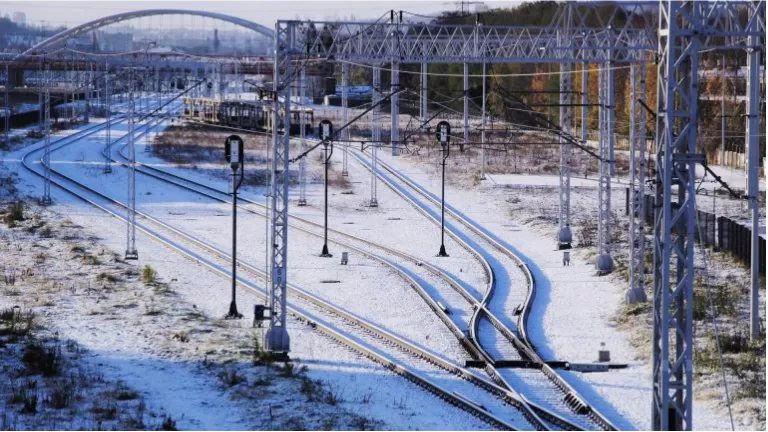
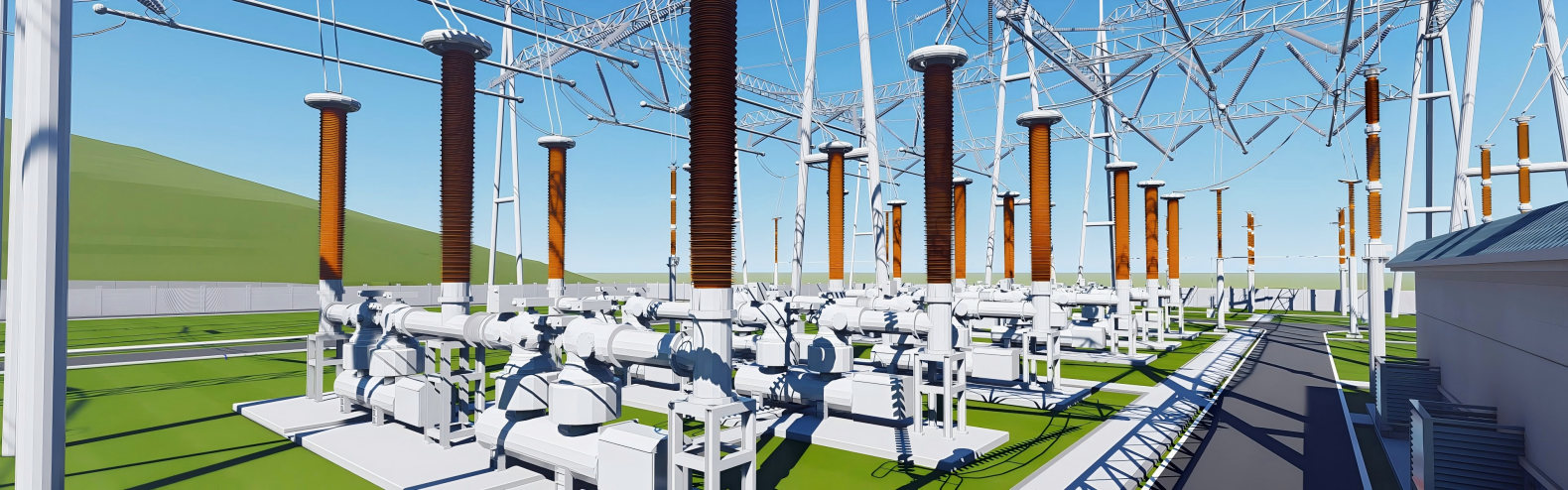
Togo’s 11kV distribution lines use overhead pole-mounted infrastructure— the most common and cost-effective design for rural and urban distribution in developing countries. Unlike high-voltage transmission lines (which use steel towers), 11kV distribution lines use wooden or concrete utility poles (8–12 meters tall) that are easy to install and maintain in remote areas. This installation structure dictates the design and mounting requirements of the selected equipment: line accessories (pin insulators), arresters, and air switches must be compatible with pole-mounted infrastructure, space-efficient, and easy to install—critical for CEET’s project, which requires rapid deployment across the country.
Why Pole-Mounted Equipment Is Ideal for Togo’s 11kV Distribution Lines
Pole-mounted equipment offers three key benefits that make it perfectly suited for Togo’s 11kV distribution lines, aligning with CEET’s operational goals and IEC standards for medium-voltage distribution:
1. Cost-Effectiveness and Easy Deployment:
○ Wooden and concrete utility poles are significantly cheaper than steel towers, making them ideal for Togo’s budget-constrained power sector. The selected equipment—pin insulators, arresters, and air switches—are designed for pole mounting, with simple installation procedures that require minimal specialized tools. This allows CEET to deploy lines quickly, even in remote rural areas with limited access to heavy machinery.
○ The 11kV pin insulators use a pin-type connection (fixed to cross-arms) as specified in the project parameters. Cross-arms (mounted on utility poles) provide a stable platform for insulators, and the pin-type design allows for quick installation—critical for the project’s timeline, which requires constructing over 800 kilometers of line.
2. Space Efficiency:
○ Togo’s urban areas (e.g., Lomé) are dense, with limited space for large infrastructure. Pole-mounted equipment is compact, with a small footprint that minimizes land acquisition costs and avoids disrupting urban traffic and buildings. Pin insulators are mounted vertically on cross-arms, while arresters and air switches are mounted horizontally—maximizing space efficiency on utility poles.
○ In rural areas, space efficiency is less of a concern, but pole-mounted equipment still offers advantages: it can be installed along existing roads and paths, avoiding the need to clear large areas of land—critical for protecting Togo’s agricultural land and natural vegetation.
3. Ease of Maintenance:
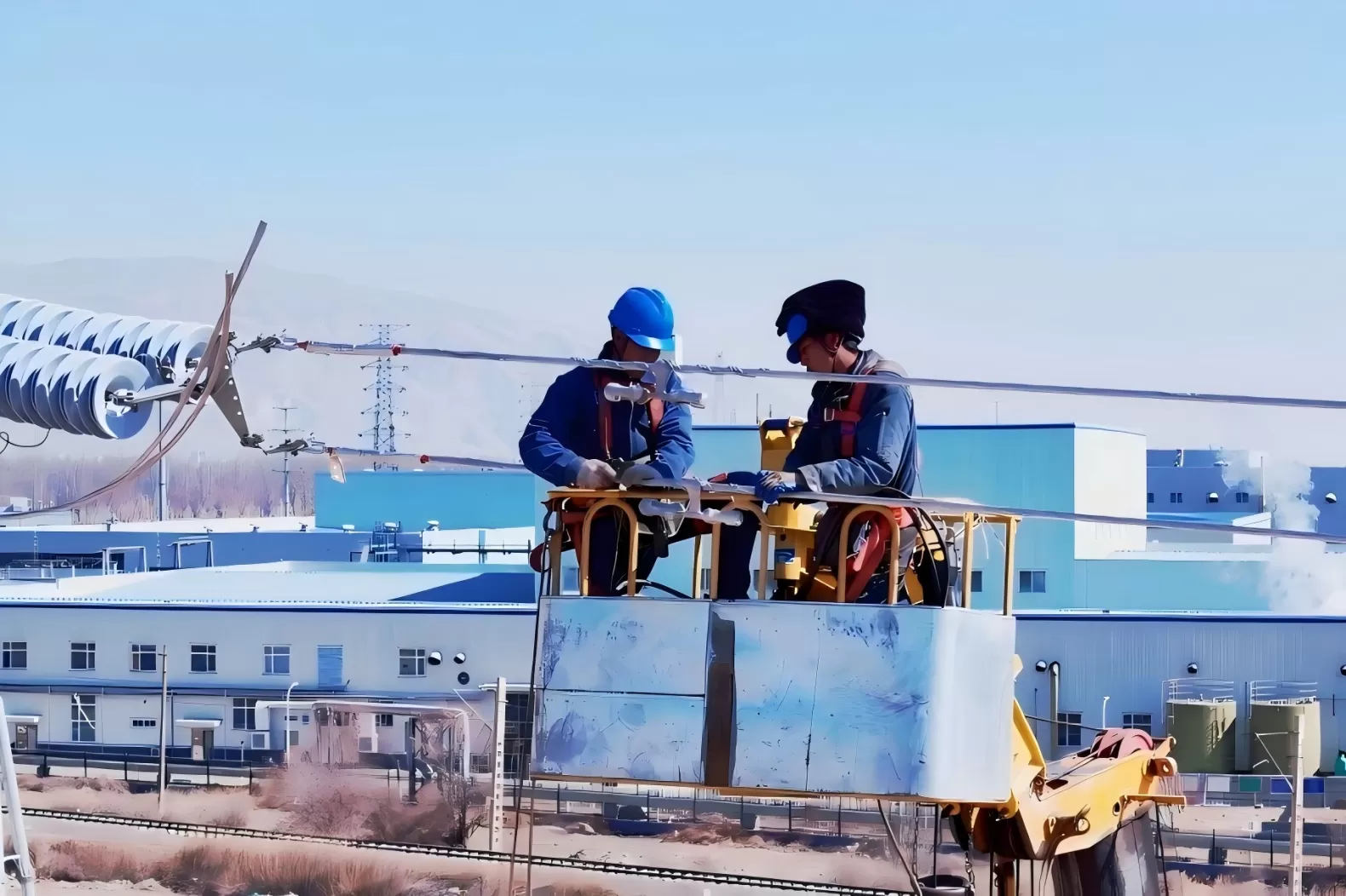
○ Pole-mounted equipment is easily accessible for maintenance: workers can climb poles using standard climbing gear to inspect, repair, or replace insulators, arresters, and air switches. This is critical for CEET, which has limited maintenance resources and must minimize downtime during repairs.
○ The pin-type design of the insulators allows for quick replacement: if an insulator fails, it can be removed and replaced without disconnecting the entire conductor—reducing downtime and ensuring the line remains operational for longer periods. Similarly, air switches can be operated manually from the ground (or from the pole) to isolate circuits during maintenance, further reducing downtime.
Tailoring Equipment Design to Togo’s Pole-Mounted Infrastructure
CEET’s 11kV distribution lines use two types of utility poles: wooden poles (for rural areas, due to lower cost and easy availability) and concrete poles (for urban areas, due to higher durability and resistance to fire and termites). The selected equipment is designed to be compatible with both pole types, with minor adjustments to mounting hardware. Here’s how each equipment type is tailored to Togo’s pole-mounted infrastructure:
1. 11kV Toughened Glass Pin Insulators:
○ Mounting Design: As specified in the project parameters, the insulators use a pin-type connection (fixed to cross-arms) made of hot-dip galvanized steel. Cross-arms are mounted horizontally on utility poles (wooden or concrete) using U-bolts, and the pin insulators are screwed into the cross-arms—providing a secure, rigid connection. For wooden poles, the cross-arms are treated with preservatives to resist rot and termites, while the pin insulators’ hot-dip galvanized connectors resist corrosion.
○ Orientation: Pin insulators are mounted vertically on cross-arms, with the conductor secured in the insulator’s top (slot) using (binding wire)—a standard installation method for 6–10kV distribution lines, which is also applicable to 11kV lines. This orientation ensures the insulator provides maximum insulation between the conductor and the grounded pole, while the slot design prevents conductor slippage.
○ Compatibility: The pin insulators are compatible with CEET’s standard cross-arm dimensions (100mm × 50mm for wooden poles, 120mm × 60mm for concrete poles), eliminating the need for custom cross-arms and reducing installation costs.
2. 11kV Arresters:
○ Mounting Design: Arresters are mounted horizontally on utility poles, below the cross-arms (to protect insulators and conductors from overvoltages). They are secured using metal brackets (hot-dip galvanized steel) that attach to the pole using U-bolts. The brackets are designed to fit both wooden and concrete poles, with adjustable straps for different pole diameters.
○ Connection: Arresters are connected in parallel with the line, with one end connected to the conductor (via a line clamp) and the other end connected to the pole (grounded). This ensures that overvoltages are diverted to ground, protecting the line and equipment.
3. 11kV Air Switches:
○ Mounting Design: Air switches are mounted horizontally on utility poles, above the cross-arms (for easy access during operation). They are secured using heavy-duty metal brackets (hot-dip galvanized steel) that provide a stable platform, even under wind loads. The brackets are compatible with both wooden and concrete poles, with adjustable mounting holes to fit different pole sizes.
○ Operation: Air switches are manually operated using a insulated rod, allowing workers to open or close the switch from the ground—reducing the risk of electric shock and simplifying maintenance. The switch’s design includes a visible indicator (open/closed) to ensure workers can easily verify the switch’s status.
4. Line Accessories (Line Clamps, Binding Wire, Protective Caps):
○ Line Clamps: Used to secure conductors to insulators and arresters, line clamps are made of hot-dip galvanized steel (as specified for pin insulator connectors) and are designed to fit 120mm²–240mm² aluminum conductors (standard for Togo’s 11kV lines). They provide a secure grip on the conductor, preventing slippage under wind loads.
○ Binding Wire: Used to secure conductors in the pin insulator’s slot, binding wire is made of galvanized steel to resist corrosion. It is flexible enough to wrap around the conductor and insulator, ensuring a tight connection.
○ Protective Caps: Installed on the top of pin insulators to shield the conductor connection from debris, moisture, and birds. These caps are made of UV-resistant plastic, ensuring durability in Togo’s tropical climate.
This tailored approach ensures that each piece of equipment is perfectly matched to Togo’s pole-mounted infrastructure, maximizing performance, reliability, and ease of installation. By aligning the equipment design with the distribution line’s structural requirements, CEET can ensure safe, efficient operation of its 11kV lines for decades.
5. Step Five: Connection Type Matching – Ensuring Compatibility with CEET’s Existing Hardware
The final step in equipment selection is matching the connection type of each equipment piece to CEET’s existing 11kV distribution line hardware (e.g., cross-arms, utility poles, conductors). For Togo’s project, compatibility is critical—CEET’s existing grid uses IEC-standard hardware, and the new equipment must integrate seamlessly to reduce installation time, costs, and the risk of connection failures. This section focuses on the connection types of the selected equipment, with a particular emphasis on the 11kV toughened glass pin insulators (specified in the project parameters) and their compatibility with CEET’s hardware.
Connection Type Specifications for Each Equipment Type
Each piece of equipment selected for Togo’s 11kV distribution line project has a connection type tailored to CEET’s existing hardware, aligned with IEC standards and industry best practices. The key connection type specifications are as follows:
1. 11kV Toughened Glass Pin Insulators:
○ Connection Type: Pin-type (fixed to cross-arm) – as specified in the project parameters. This is the standard connection type for 11kV distribution line pin insulators, aligning with IEC 60383-2 and CEET’s existing cross-arm hardware.
○ Connector Material: Hot-dip galvanized steel – to resist corrosion (critical for coastal and rural areas) and ensure a secure mechanical connection. The galvanized steel pin has a thread size of M16 (standard for 11kV pin insulators), which matches CEET’s cross-arm mounting holes.
○ Compatibility: The pin-type connection is compatible with CEET’s standard wooden and concrete cross-arms. For wooden cross-arms, the pin is screwed directly into the cross-arm (with a washer to distribute load), while for concrete cross-arms, the pin is secured using a nut and washer (pre-drilled holes in the cross-arm). This compatibility eliminates the need for custom mounting hardware, reducing installation costs and time.
2. 11kV Arresters:
○ Connection Type: Bolted connection (line side) and grounded connection (pole side). The line side of the arrester is connected to the conductor using a line clamp (hot-dip galvanized steel), which matches CEET’s standard conductor size (120mm²–240mm² aluminum). The pole side is connected to the utility pole using a ground wire (galvanized steel), which is secured to the pole using a ground clamp.
○ Compatibility: The line clamp is compatible with CEET’s existing conductors and line accessories, while the ground clamp is compatible with both wooden and concrete poles. The arrester’s bolted connection ensures a secure electrical connection, preventing arcing and overheating.
3. 11kV Air Switches:
○ Connection Type: Bolted connection (line in/out) and mounting brackets (pole side). The line in/out connections use bolted terminals (compatible with CEET’s standard conductors), while the mounting brackets use U-bolts (compatible with both wooden and concrete poles).
○ Compatibility: The bolted terminals are designed to fit 120mm²–240mm² aluminum conductors, matching CEET’s existing line hardware. The U-bolts are adjustable, allowing the switch to be mounted on poles of different diameters (150mm–200mm for wooden poles, 120mm–180mm for concrete poles).
4. Line Accessories:
○ Line Clamps: Bolted connection to conductors and insulators, compatible with CEET’s standard conductor sizes and pin insulator designs. The clamps are designed to match the project’s pin insulators, ensuring a secure connection between the conductor and insulator.
○ Cross-Arm Fittings: U-bolts and washers (hot-dip galvanized steel) to mount cross-arms on utility poles. These fittings match CEET’s existing pole dimensions, ensuring a secure connection that can withstand wind loads and conductor tension.
Why Compatibility Is Critical for Togo’s Project
Compatibility with CEET’s existing hardware offers three key benefits for Togo’s 11kV distribution line project, aligning with CEET’s operational goals and budget constraints:
1. Reduced Installation Time and Costs: By using equipment with connection types that match CEET’s existing hardware, the project avoids the need for custom parts, retrofits, or specialized tools. For example, the pin insulators’ pin-type connection fits directly into CEET’s existing cross-arms, reducing installation time by 20–25% compared to using non-compatible equipment. This is critical for the project’s timeline, which requires rapid deployment across the country.
2. Minimized Operational Risks: Incompatible connection types can lead to loose connections, arcing, and equipment failure—all of which increase the risk of power outages and safety hazards. The selected equipment’s compatible connections ensure a secure, reliable electrical and mechanical connection, reducing the risk of failures and unplanned outages. This aligns with CEET’s goal to improve power reliability and reduce technical losses.
3. Easy Maintenance and Replacement: Compatible equipment can be easily maintained and replaced using CEET’s existing tools and spare parts. For example, if a pin insulator fails, it can be replaced with a new one using standard tools, without needing to modify the cross-arm or conductor. This reduces maintenance costs and downtime, ensuring the line remains operational for longer periods—critical for CEET’s limited maintenance resources.
The attention to connection type detail is critical for the project’s success. Even a small mismatch in connection size or design can cause installation delays, increase costs, and compromise the equipment’s performance. By selecting equipment with connection types that match CEET’s existing hardware, the project ensures seamless integration, reliable operation, and cost-effectiveness.
6. Recommended Equipment Solution for Togo’s 11kV Distribution Line Project
Based on the comprehensive selection process outlined above—voltage level analysis, mechanical load assessment, pollution environment evaluation, installation structure alignment, and connection type matching—the recommended equipment solution for Togo’s 11kV distribution line project includes 11kV toughened glass pin insulators (line accessory), 11kV metal oxide arresters, and 11kV air switches, along with compatible line accessories (line clamps, binding wire, protective caps). The following is the detailed specification for each equipment type, aligned with IEC standards, CEET’s technical requirements, Togo’s environmental conditions, and the project parameters provided:
Parameter | 11kV Toughened Glass Pin Insulator (Line Accessory) | 11kV Metal Oxide Arrester | 11kV Air Switch |
Product Name & Model | 11kV Toughened Glass Pin Insulator | 11kV Metal Oxide Arrester (MOA) | 11kV Outdoor Air Switch (Air Circuit Breaker) |
Main Standard | IEC 60383-2 (Low- and Medium-Voltage Insulators), CEET Technical Specification | IEC 60099-4 (Metal Oxide Arresters), IEC 60383-2, CEET Technical Specification | IEC 60947-3 (Air Circuit Breakers), IEC 60383-2, CEET Technical Specification |
Rated Voltage Level | 11 kV / For 11 kV distribution line11 kV | 11 kV / For 11 kV distribution line overvoltage protection11 kV | 11 kV / For 11 kV distribution line circuit control and isolation11 kV |
Withstand Voltage | Power Frequency: 35 kV rmsLightning Impulse: 95 kV peak | Power Frequency: 35 kV rms (1 min)Lightning Impulse: 95 kV peak (820μs)Nominal Discharge Current | Power Frequency: 35 kV rms (1 min)Lightning Impulse: 95 kV peakShort-Circuit Breaking Current |
Mechanical Load | MBL: 70 kNRecommended Working Load: 23 kN | Mounting Strength: 5 kN (minimum)Impact Resistance: 8J (minimum) |