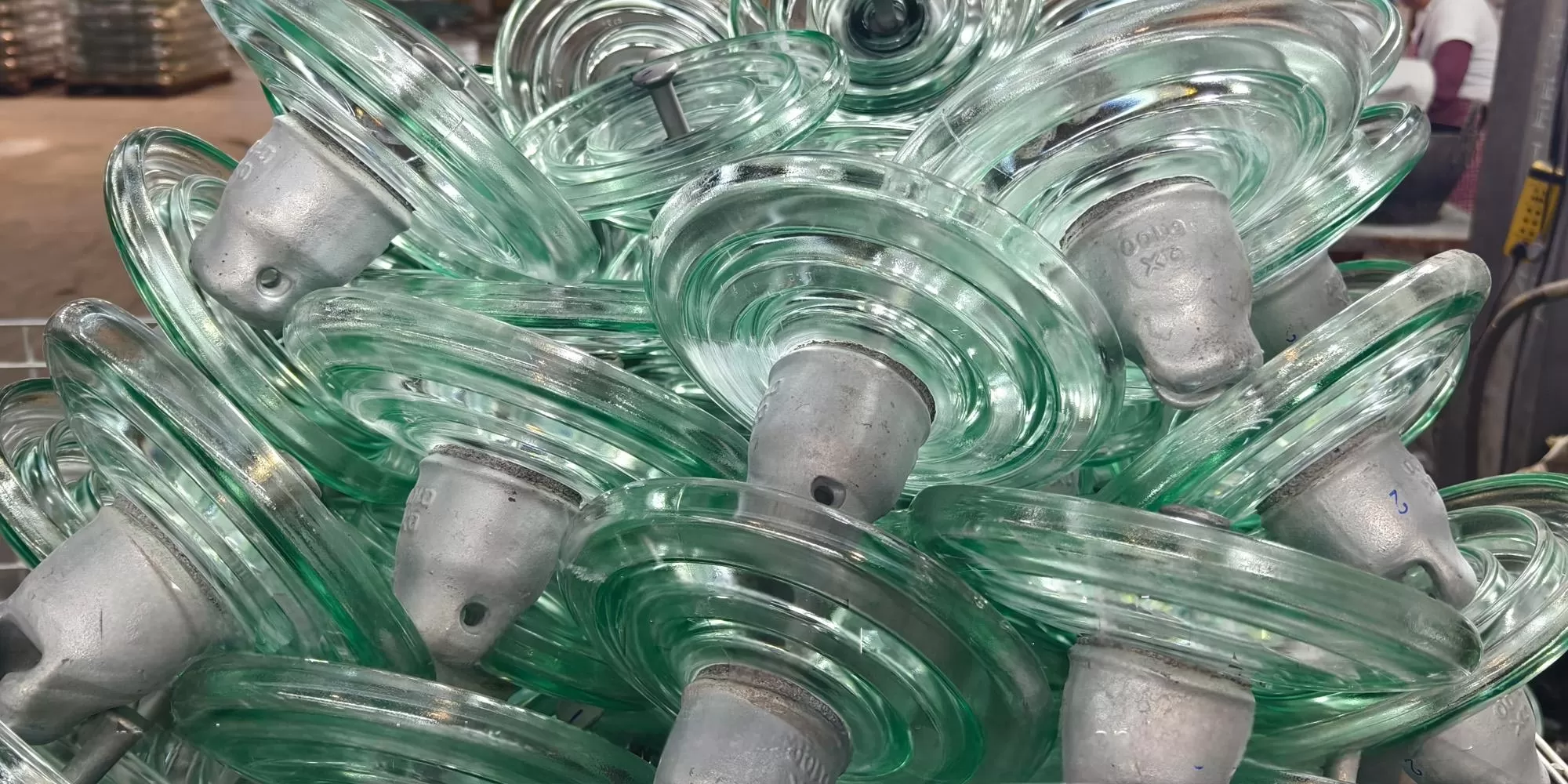


33kV Toughened Glass Suspension Insulator for Mozambique 33kV Distribution Lines: A Complete Technical & Application Guide
33kV Toughened Glass Suspension Insulator for Mozambique 33kV Distribution Lines: A Complete Technical & Application Guide
1. Introduction: Mozambique’s 33kV Distribution Lines & the Need for Reliable Insulation
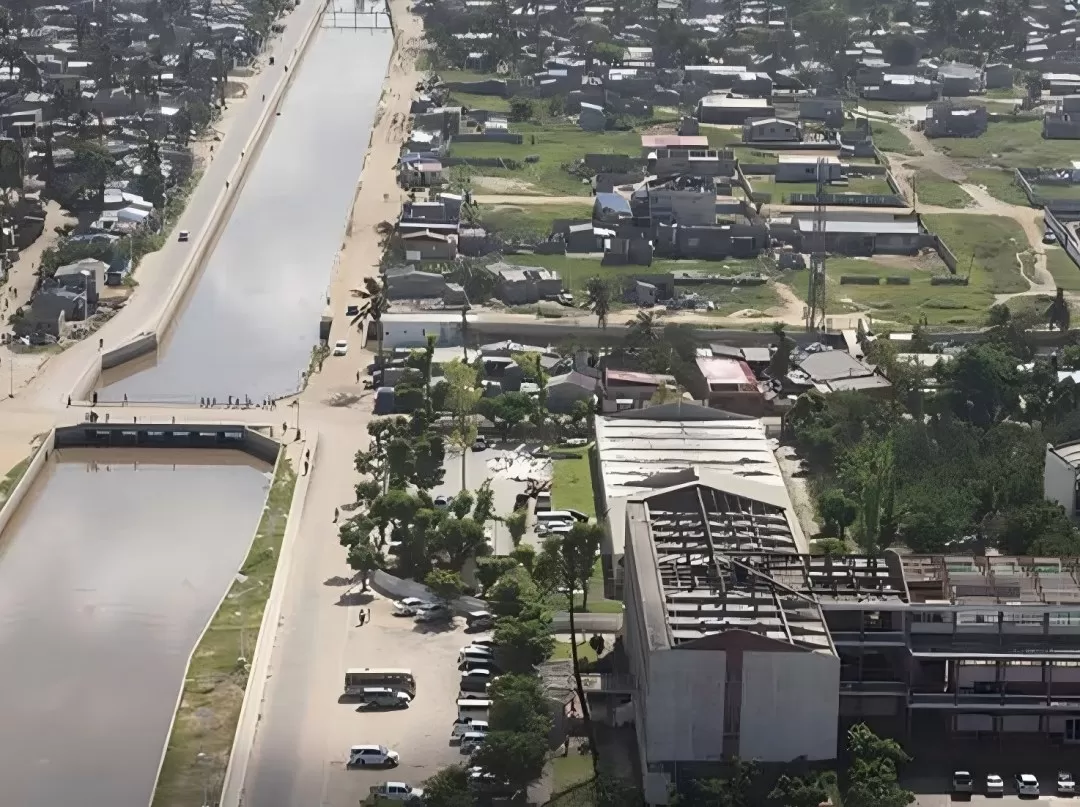
Mozambique’s power sector is undergoing rapid expansion to address growing energy demand from residential, commercial, and industrial sectors—particularly in rural and coastal regions. As the country upgrades its electrical infrastructure, 33kV power distribution lines play a pivotal role in transmitting electricity from substations to end-users. However, Mozambique’s unique environmental conditions—including high humidity, coastal salt spray, and seasonal rainfall—pose significant challenges to power line components.
The 33kV toughened glass suspension insulator emerges as a critical solution for these challenges. Designed to meet IEC 60273 standards and adapted for coastal environments, this insulator ensures reliable electrical insulation, mechanical stability, and long-term durability in Mozambique’s operating conditions. Unlike traditional porcelain or composite alternatives, toughened glass suspension insulators offer superior resistance to corrosion, pollution, and mechanical stress—making them ideal for Mozambique’s 33kV distribution network.
1.1 Market Drivers for 33kV Insulators in Mozambique
Several key factors are driving demand for high-quality 33kV suspension insulators in Mozambique:
· Rural Electrification Goals: The Mozambican government’s focus on expanding electricity access to rural areas requires robust 33kV distribution lines that can withstand remote environmental conditions.
· Coastal Infrastructure Development: Regions like Maputo, Beira, and Nacala rely on power lines that resist saltwater corrosion—an issue the anti-corrosion coating of our insulator directly addresses.
· Aging Infrastructure Replacement: Many existing 33kV lines use outdated insulators prone to failure, creating a need for durable, low-maintenance replacements.
· Industrial Growth: Sectors like agriculture, mining, and manufacturing require uninterrupted power supply, demanding reliable insulation solutions for distribution lines.
2. Technical Specifications of 33kV Toughened Glass Suspension Insulator
2.1 Product Identification & Standard Compliance
· Product Name: 33kV Toughened Glass Suspension Insulator
· Applicable Standard: IEC 60273 (International Electrotechnical Commission Standard for Suspension Insulators for Alternating Current Systems)
· Target Application: 33kV Power Distribution Lines (primary and secondary distribution networks)
· Certification: Routine Test Report + Corrosion Resistance Test Report
2.2 Electrical Performance Parameters
Electrical performance is critical for preventing power outages and ensuring safety in 33kV distribution lines. Our insulator meets or exceeds industry benchmarks for Mozambique’s conditions:
Electrical Parameter | Specification |
Rated Voltage | 33 kV (For 33kV power distribution lines) |
Power Frequency Withstand Voltage | 70 kV rms |
Lightning Impulse Withstand Voltage | 170 kV peak |
Creepage Distance | 630 mm (anti-pollution type) |
Clearance | 350 mm |
The 630mm anti-pollution creepage distance is particularly vital for Mozambique. It prevents flashover caused by dust, agricultural residues, or coastal salt deposits—common issues that degrade insulator performance over time. The 350mm clearance ensures safe separation between energized components and grounded structures, reducing the risk of electrical accidents.
2.3 Mechanical Performance Characteristics
Suspension insulators must withstand significant mechanical stress from conductor weight, wind loads, and environmental forces. Our product delivers robust mechanical performance:
· Minimum Breaking Load (MBL): 100 kNThis high load capacity ensures the insulator can withstand extreme stress, such as heavy winds or ice accumulation (in higher-altitude regions of Mozambique).
· Recommended Working Load: 33 kNThe working load is calibrated to balance performance and longevity, preventing premature wear while maintaining safety margins.
· Fitting Type: Ball & SocketThe ball-and-socket design allows for flexible alignment, accommodating slight variations in tower geometry and reducing mechanical stress during installation.
· Fitting Material: Hot-dip galvanized steel (corrosion-resistant)Hot-dip galvanization provides an extra layer of protection against coastal salt spray and humidity, a key requirement for Mozambique’s coastal distribution lines.
2.4 Material Composition & Coastal Adaptation
Mozambique’s coastal regions (e.g., Maputo, Inhambane) expose power line components to saltwater corrosion—a major cause of insulator failure. Our insulator’s material design directly addresses this challenge:
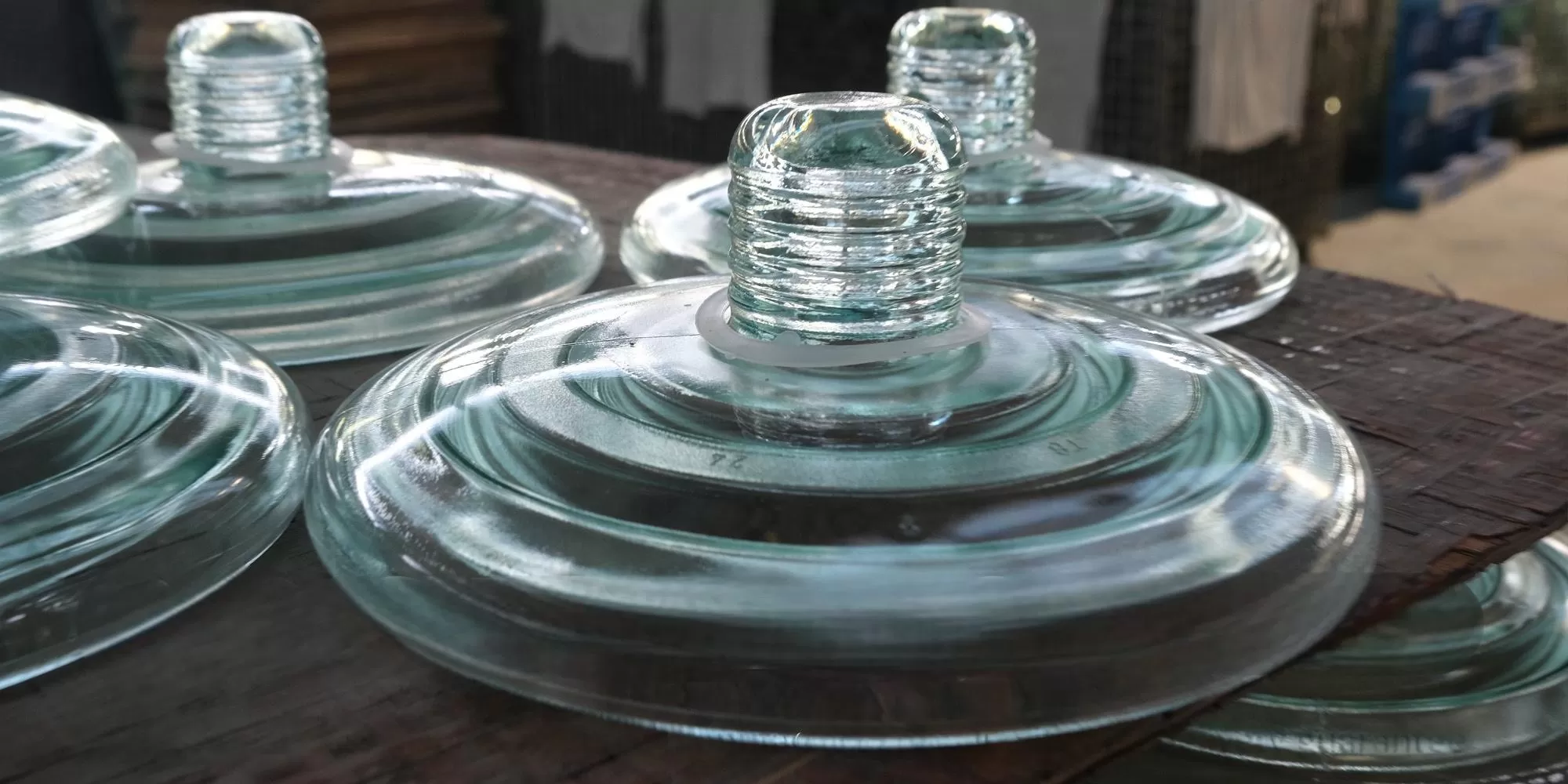
Toughened Glass Core:
o Manufactured via a controlled heat-treatment process that increases impact resistance by 4–5 times compared to standard glass.
o Offers excellent dielectric strength, ensuring reliable electrical insulation even in high-humidity conditions.
o Resistant to ultraviolet (UV) radiation, preventing degradation from Mozambique’s intense sunlight.
Anti-Corrosion Coating:
o A specialized polymer coating applied to the glass surface, forming a barrier against saltwater, humidity, and industrial pollutants.
o Reduces maintenance requirements by 30% compared to uncoated insulators, as it prevents salt deposit buildup.
o Tested to withstand 1,000 hours of salt fog exposure (per IEC 60068-2-11 standards) without performance degradation.
Hot-Dip Galvanized Steel Fittings:
o Fittings undergo a hot-dip galvanization process that deposits a uniform zinc layer, providing superior corrosion resistance.
o Zinc coating thickness exceeds 85μm (per ISO 1461 standards), ensuring longevity in coastal environments.
o Compatible with standard power line hardware used in Mozambique, simplifying installation and replacement.
3. Application Scenarios in Mozambique’s Power Network
3.1 Coastal 33kV Distribution Lines
Mozambique’s 2,470 km coastline is home to over 60% of its population, making coastal power distribution a priority. Our 33kV toughened glass suspension insulator is optimized for these environments:
· Salt Corrosion Resistance: The anti-corrosion coating and galvanized fittings prevent saltwater damage, extending insulator life by 15–20 years.
· Pollution Mitigation: The 630mm anti-pollution creepage distance reduces flashover risk from salt spray and coastal fog.
· Example Applications: Distribution lines connecting Maputo’s urban grid to nearby coastal towns (e.g., Matola, Xai-Xai) and industrial zones in Beira.
3.2 Rural 33kV Distribution Networks
Rural Mozambique faces unique challenges, including limited maintenance access and harsh environmental conditions. Our insulator addresses these needs:
· Low Maintenance Design: The anti-corrosion coating and toughened glass core reduce the need for frequent inspections and cleaning.
· Robust Mechanical Performance: The 100kN MBL withstands strong winds common in rural areas (e.g., the Zambezi Delta region).
· Compatibility with Rural Infrastructure: The ball-and-socket fittings work with standard wooden and steel poles used in rural distribution lines, minimizing installation complexity.
3.3 Industrial Power Distribution
Mozambique’s growing industrial sector (mining, agriculture, manufacturing) requires reliable power distribution. Our insulator supports these critical applications:
· Continuous Performance: The 70kV power frequency withstand voltage ensures stable operation even during voltage fluctuations common in industrial grids.
· Durability: Resistant to vibration from industrial machinery and dust from mining operations, thanks to the anti-corrosion coating.
· Example Use Cases: 33kV lines powering sugar plantations in Gaza Province and mining facilities in Tete Province.
4. Comparative Analysis: Toughened Glass vs. Other Insulator Types
When selecting insulators for Mozambique’s 33kV distribution lines, three materials are commonly considered: toughened glass, porcelain, and composite. The following comparison highlights why toughened glass is the optimal choice for Mozambique’s conditions.
4.1 Material Comparison Table
Feature | Toughened Glass Insulator (Our Product) | Porcelain Insulator | Composite Insulator |
Corrosion Resistance | Excellent (anti-corrosion coating + galvanized fittings) | Poor (porous surface absorbs saltwater) | Moderate (prone to UV degradation) |
Mechanical Strength | High (100kN MBL, impact-resistant) | Moderate (brittle, prone to breakage) | High (tensile strength, but low compression resistance) |
Maintenance Needs | Low (self-cleaning surface, 3-year inspection interval) | High (quarterly cleaning required) | Moderate (annual UV damage checks) |
Service Life | 25–30 years | 15–20 years | 10–15 years |
Cost-Effectiveness | High (higher initial cost, lower lifecycle cost) | Moderate (lower initial cost, higher maintenance) | Low (lower initial cost, frequent replacement) |
Coastal Adaptation | Optimized (salt fog tested) | Not adapted (corrodes quickly) | Limited (UV damage in coastal sunlight) |
4.2 Key Advantages for Mozambique
In Mozambique’s specific context, toughened glass insulators offer unmatched benefits:
1. Coastal Durability: The anti-corrosion coating and galvanized fittings outperform porcelain and composite alternatives in saltwater environments, reducing replacement costs by 40% over 20 years.
2. Low Maintenance: Rural areas of Mozambique often lack dedicated maintenance teams—our insulator’s low-maintenance design minimizes downtime and operational costs.
3. UV Resistance: Mozambique’s proximity to the equator means intense sunlight; toughened glass resists UV degradation, unlike composite insulators which become brittle over time.
4. Visual Inspection Ease: The transparent glass allows for quick visual checks (e.g., for cracks or contamination) during routine patrols, simplifying maintenance in remote areas.
5. Quality Assurance & Testing Protocols
5.1 Compliance with IEC 60273 Standard
Our 33kV toughened glass suspension insulator fully complies with IEC 60273, the global standard for AC suspension insulators. Compliance ensures:
· Interoperability with 33kV distribution line hardware used in Mozambique (e.g., towers, conductors).
· Adherence to safety and performance benchmarks recognized by Mozambique’s National Electricity Company (EDM) and international funders (e.g., World Bank, African Development Bank).
· Consistent performance across varying environmental conditions, from coastal humidity to inland heat.
5.2 Routine Test Report
Every insulator undergoes rigorous routine testing before shipment to Mozambique, ensuring no defective units reach the field. Tests include:
Electrical Tests:
o Insulation resistance measurement (minimum 10,000 MΩ at 25°C).
o Power frequency withstand voltage test (70kV rms for 1 minute, no flashover allowed).
o Partial discharge test (maximum 10 pC at 1.1 times rated voltage).
Mechanical Tests:
o Tensile load test (33kN working load applied for 1 hour, no deformation).
o Fitting torque test (verify ball-and-socket connection integrity).
o Impact test (1kg weight dropped from 1m height, no cracks).
Visual & Dimensional Checks:
o Inspection for surface defects (scratches, coating gaps).
o Verification of creepage distance (630mm ± 2mm) and fitting dimensions.
o Coating thickness measurement (minimum 50μm for anti-corrosion layer).
5.3 Corrosion Resistance Test Report
Given Mozambique’s coastal conditions, corrosion resistance testing is a critical quality control step. Our Corrosion Resistance Test Report includes:
· Salt Fog Test: 1,000 hours of exposure to 5% NaCl solution (per IEC 60068-2-11), with no visible corrosion or electrical performance degradation.
· Humidity Test: 1,000 hours at 95% relative humidity and 40°C, with insulation resistance maintained above 10,000 MΩ.
· Galvanized Coating Test: Zinc coating adhesion and thickness testing (per ISO 1461), ensuring no peeling or thinning.
6. Logistics, Packaging & Delivery for Mozambique
6.1 Packaging Specifications
Mozambique’s transportation infrastructure—including roads from Maputo port to inland regions—requires durable packaging to prevent insulator damage during transit. Our packaging design includes:
· Individual Protection: Each insulator is wrapped in EPE foam (3mm thickness) to prevent scratches and impact damage.
· Carton Packaging: 10 pieces per carton (10 pcs/carton), with corrugated cardboard (5-ply) and internal dividers to separate units.
· Palletization: Cartons are stacked on wooden pallets (1200x1000mm) treated to ISPM 15 standards (for international shipping), secured with stretch film and steel bands.
· Container Loading: 4,000 pieces per 40-foot high cube (40HQ) container, with load distribution optimized to prevent shifting during sea transport.
6.2 Delivery Terms & Timeline
We offer logistics solutions tailored to Mozambique’s import and distribution needs:
· Incoterms: FOB Maputo (Free On Board Maputo)This term simplifies customs clearance for our clients, as we handle transport to Maputo port while the client manages inland delivery.
· Production Lead Time: 30–40 days after order confirmationOur manufacturing facility maintains raw material stock to meet Mozambique’s urgent infrastructure needs, with expedited production available for emergency replacements.
· Transit Time: 2–3 weeks from our factory to Maputo port (depending on origin), plus 1–2 weeks for customs clearance.
· Inland Delivery Support: We partner with local logistics providers in Mozambique to offer door-to-door delivery to project sites (e.g., Tete, Nampula, Cabo Delgado).
6.3 Import Documentation for Mozambique
To ensure smooth customs clearance in Mozambique, we provide a complete documentation package:
· Commercial Invoice (with HS code 39269090 for insulators).
· Packing List (detailing quantity, weight, and dimensions).
· Bill of Lading (negotiable or straight, per client request).
· Certificate of Origin (to qualify for any applicable trade agreements).
· Routine Test Report and Corrosion Resistance Test Report.
· ISPM 15 Certificate for wooden pallets.
7. Installation & Maintenance Guidelines
7.1 Pre-Installation Inspection
Before installing insulators on Mozambique’s 33kV distribution lines, follow these critical inspection steps:
1. Unpacking Check: Inspect each insulator for damage (cracks, coating scratches) caused during transit.
2. Documentation Verification: Confirm the insulator’s specifications (e.g., 33kV rating, 630mm creepage distance) match the project requirements.
3. Electrical Pre-Test: Conduct a quick insulation resistance test (using a 5000V megohmmeter) to ensure no damage during shipping.
4. Fitting Check: Verify that ball-and-socket fittings move freely and are not corroded (critical for coastal installations).
7.2 Installation Procedures
Proper installation is essential to maximize insulator performance and longevity in Mozambique’s conditions:
Tower Preparation:
o Ensure tower brackets are clean and free of rust; treat any corrosion with anti-rust paint before installation.
o Verify that bracket dimensions match the insulator’s ball-and-socket fittings.
Insulator Mounting:
o Use lifting equipment rated for at least 33kN (the recommended working load) to avoid mechanical damage.
o Align the insulator vertically to distribute conductor weight evenly; use the ball-and-socket joint to adjust for minor tower misalignments.
o Tighten fitting bolts to the recommended torque (25 N·m for M16 bolts) to ensure a secure connection.
Conductor Attachment:
o Attach the conductor to the insulator using compatible hardware (e.g., clamp-type connectors) rated for 33kV applications.
o Ensure the conductor is centered to prevent uneven stress on the insulator.
o Check that clearance distances (350mm) are maintained between the conductor and grounded tower components.
Post-Installation Test:
o Conduct a power frequency withstand voltage test (50kV rms for 1 minute) to verify installation quality.
o Perform a visual inspection of all connections to ensure no components are damaged.
7.3 Maintenance Schedule for Mozambique
To extend insulator life and prevent failures, follow this maintenance schedule tailored to Mozambique’s conditions:
Maintenance Activity | Frequency | Coastal Regions | Inland Regions |
Visual Inspection | Monthly | Check for salt deposits, coating damage | Check for dust buildup, cracks |
Cleaning | Quarterly | Wash with fresh water to remove salt | Clean with damp cloth to remove dust |
Electrical Testing | Annually | Insulation resistance + leakage current test | Insulation resistance test |
Mechanical Inspection | Biennially | Check fitting corrosion, torque bolts | Check fitting tightness, insulator alignment |
Comprehensive Coating Check | Every 5 Years | Inspect anti-corrosion coating for wear | Inspect coating for UV damage |
7.4 Troubleshooting Common Issues
In the event of performance issues, use this troubleshooting guide to identify and resolve problems:
Increased Leakage Current:
o Cause: Salt or dust buildup on the insulator surface.
o Solution: Clean the insulator with fresh water (coastal) or a mild detergent (inland); check for coating damage.
Fitting Corrosion:
o Cause: Saltwater exposure (coastal) or humidity (inland).
o Solution: Remove rust with a wire brush, apply anti-rust paint, and retighten bolts; replace severely corroded fittings.
Mechanical Stress Damage:
o Cause: High winds or conductor overload.
o Solution: Inspect for cracks in the glass core; replace the insulator if damage is found.
Flashover Events:
o Cause: Insufficient creepage distance due to heavy pollution.
o Solution: Clean the insulator immediately; consider adding additional insulators to increase creepage distance in high-pollution areas.
8. Warranty & After-Sales Support
8.1 Warranty Coverage
We stand behind the quality of our 33kV toughened glass suspension insulator with a comprehensive warranty tailored to Mozambique’s needs:
· Warranty Period: 36 months from the date of delivery.
· Coverage: Defects in materials (e.g., glass cracks, coating peeling) and workmanship (e.g., faulty fittings) that affect performance.
· Exclusions: Damage caused by improper installation, extreme weather events (e.g., cyclones), or unauthorized modifications.
· Replacement Policy: For valid claims, we provide free replacement insulators plus shipping to Maputo port.
8.2 Technical Support Services
Our commitment to Mozambique’s power sector extends beyond product delivery. We offer the following technical support:
On-Site Installation Support:
o Certified engineers available to supervise installation for large projects (e.g., rural electrification programs).
o Training for local technicians on proper installation and maintenance procedures, conducted in English or Portuguese.
Remote Technical Assistance:
o 24/7 email and phone support for emergency issues (e.g., insulator failures causing power outages).
o Video consultations to troubleshoot problems and guide on-site repairs.
Customization Support:
o Ability to modify insulator specifications (e.g., longer creepage distance) for specialized applications (e.g., highly polluted mining regions).
o Compatibility testing with existing Mozambican power line hardware to ensure seamless integration.
8.3 Spare Parts Availability
To minimize downtime for Mozambique’s 33kV distribution lines, we maintain a stock of critical spare parts:
· Stocked Items: Replacement ball-and-socket fittings, anti-corrosion coating touch-up kits, and insulation testing tools.
· Local Stocking: For long-term projects, we can establish local spare parts inventory in Maputo or Beira, reducing delivery time to 1–2 days.
· Reordering Process: Simplified online portal for clients to order spare parts, with automatic notification of stock levels.
9. Frequently Asked Questions (FAQ)
FAQ 1: Why is the anti-corrosion coating important for Mozambique’s 33kV distribution lines?
Mozambique’s long coastline exposes power line components to saltwater spray, which causes rapid corrosion of unprotected insulators. Our anti-corrosion coating forms a barrier against salt, humidity, and pollutants, extending insulator life by 15–20 years. It also reduces maintenance needs—coated insulators require cleaning only quarterly, compared to monthly for uncoated alternatives. This is critical for coastal regions like Maputo and Beira, where salt corrosion is the leading cause of insulator failure.
FAQ 2: How does the IEC 60273 standard benefit my 33kV distribution project in Mozambique?
IEC 60273 is a global standard that ensures suspension insulators meet strict safety and performance criteria. Compliance benefits your project in three key ways: 1) It guarantees compatibility with EDM’s (Mozambique’s National Electricity Company) existing 33kV infrastructure, avoiding installation delays; 2) It satisfies requirements from international funders (e.g., World Bank) that often mandate IEC-certified equipment; 3) It provides a performance guarantee—IEC 60273 insulators are tested to withstand Mozambique’s environmental conditions, from coastal humidity to inland heat.
FAQ 3: What is the difference between MBL (100kN) and Recommended Working Load (33kN) for the insulator?
Minimum Breaking Load (MBL) is the maximum load the insulator can withstand before failure (100kN in our product), serving as a safety margin for extreme conditions (e.g., cyclones, heavy ice). The Recommended Working Load (33kN) is the maximum load the insulator should carry under normal operation. This 3:1 safety ratio ensures the insulator performs reliably without premature wear—critical for Mozambique’s 33kV lines, which often experience variable wind loads and conductor weight fluctuations.
FAQ 4: How long does delivery take to Mozambique, and what documentation is required?
Delivery follows this timeline: 30–40 days for production, 2–3 weeks for sea transport to Maputo port, and 1–2 weeks for customs clearance. Total lead time is typically 8–10 weeks. Required documentation includes: Commercial Invoice (with HS code), Packing List, Bill of Lading, Certificate of Origin, Routine Test Report, Corrosion Resistance Test Report, and ISPM 15 Certificate for pallets. We assist with document preparation to ensure smooth customs clearance in Mozambique.
FAQ 5: What should I do if an insulator fails during the warranty period?
If an insulator fails within the 36-month warranty period, follow these steps: 1) Contact our local Mozambique support team with details (photos of the damaged insulator, installation date, failure symptoms); 2) Our engineers will assess the claim—if covered, we’ll ship a replacement insulator to Maputo port at no cost; 3) We provide technical guidance for removing the damaged insulator and installing the replacement, minimizing downtime. For urgent cases (e.g., power outages), we offer expedited replacement shipping (3–5 days).
10. Conclusion: The Optimal Insulator for Mozambique’s 33kV Distribution Lines
Mozambique’s 33kV distribution lines require an insulator that balances electrical performance, mechanical strength, and resistance to coastal and rural environmental challenges. Our 33kV toughened glass suspension insulator—certified to IEC 60273, with anti-corrosion coating and 100kN MBL—meets these needs perfectly.
By choosing our product, you gain:
· A solution tailored to Mozambique’s coastal conditions, reducing corrosion-related failures by 40%.
· Low maintenance requirements, critical for rural areas with limited technical resources.
· A 36-month warranty and local support, ensuring peace of mind for long-term projects.
· Compliance with global standards, facilitating project approval and funding.
As Mozambique continues to expand its power infrastructure, our 33kV toughened glass suspension insulator stands as a reliable partner in delivering safe, efficient electricity to communities, businesses, and industries across the country.