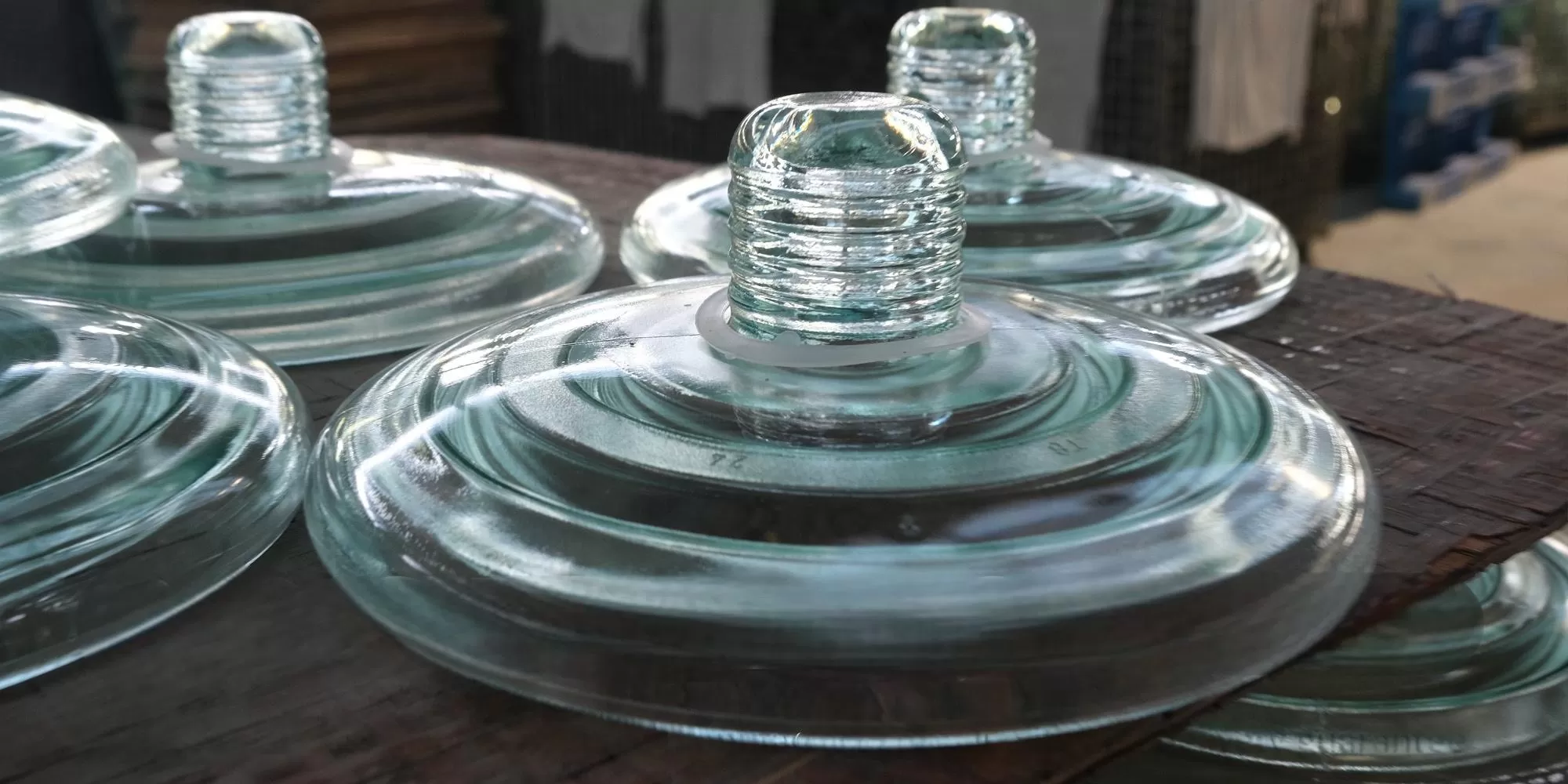
11kV Toughened Glass Suspension Insulators: Powering Nepal’s 11/0.4kV PV Distribution Grid Project with IEC 60273 Compliance
11kV Toughened Glass Suspension Insulators: Powering Nepal’s 11/0.4kV PV Distribution Grid Project with IEC 60273 Compliance
Introduction
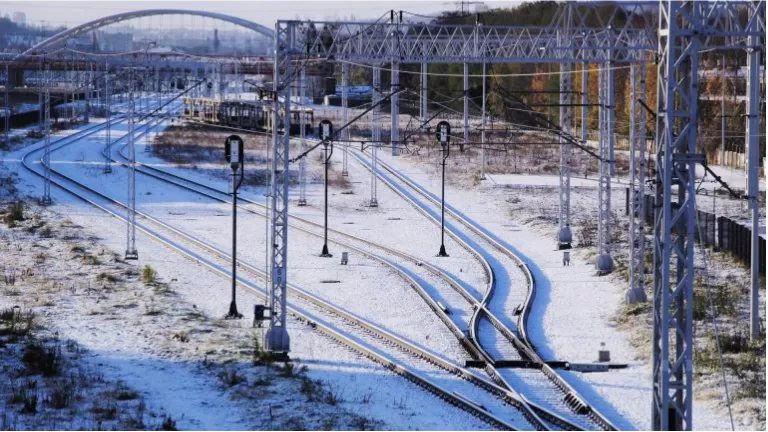
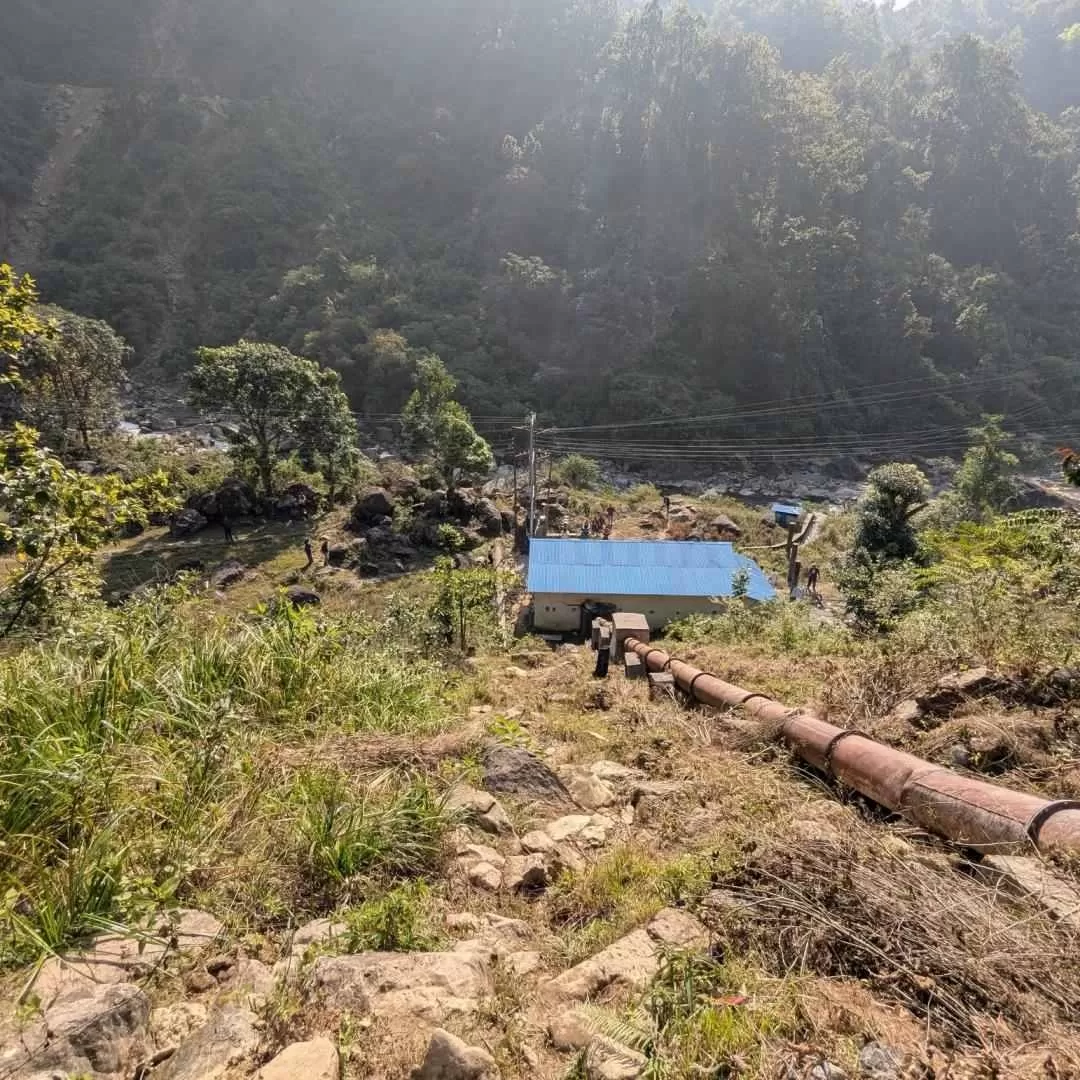
In recent years, Nepal has been undergoing a transformative shift in its energy sector, driven by the urgent need to address chronic power shortages and align with global sustainable development goals. As a country endowed with abundant solar resources—especially in the southern plains and mid-hill regions—Nepal has prioritized the expansion of photovoltaic (PV) power generation to reduce its reliance on imported fossil fuels and enhance energy security. Among the key infrastructure projects fueling this transition is the 11/0.4kV PV Distribution Grid Project, a critical initiative designed to integrate solar power into the national electricity network and deliver reliable electricity to residential, commercial, and industrial users.
At the heart of this project’s success lies a fundamental component of power transmission and distribution systems: insulators. For the 11kV distribution lines PV power plants in this project, 11kV Toughened Glass Suspension Insulators have emerged as the preferred choice. These insulators play a non-negotiable role in ensuring electrical insulation, mechanical stability, and long-term durability of the distribution lines—directly impacting the project’s efficiency, safety, and return on investment.
This article delves into the technical specifications, performance advantages, and application value of 11kV Toughened Glass Suspension Insulators in Nepal’s 11/0.4kV PV Distribution Grid Project. It highlights how the product’s compliance with international standards, tailored design for solar applications, and robust quality assurance quality assurance system meet the unique demands of Nepal’s energy landscape.
1. Project Background: Nepal’s 11/0.4kV PV Distribution Grid—A Catalyst for Energy Transformation
Nepal’s electricity demand has been growing at an annual rate of 10–12% due to rapid urbanization, population growth, and expanding industrial activities. Historically, the country has faced severe power outages (up to 14 hours daily in peak seasons) due to limited domestic generation capacity and an overreliance on hydropower—whose output fluctuates with monsoon cycles. The 11/0.4kV PV Distribution Grid Project addresses these challenges by:
· Integrating distributed solar power plants into the low-voltage (0.4kV) and medium-voltage (11kV) distribution network, ensuring seamless power flow from PV generators to end-users.
· Enhancing grid stability by balancing the intermittent nature of solar energy with existing power sources, reducing reliance on unpredictable hydropower.
· Extending electricity access to rural and remote areas of Nepal, where grid penetration remains low (only 70% of the population had access to electricity as of 2024).
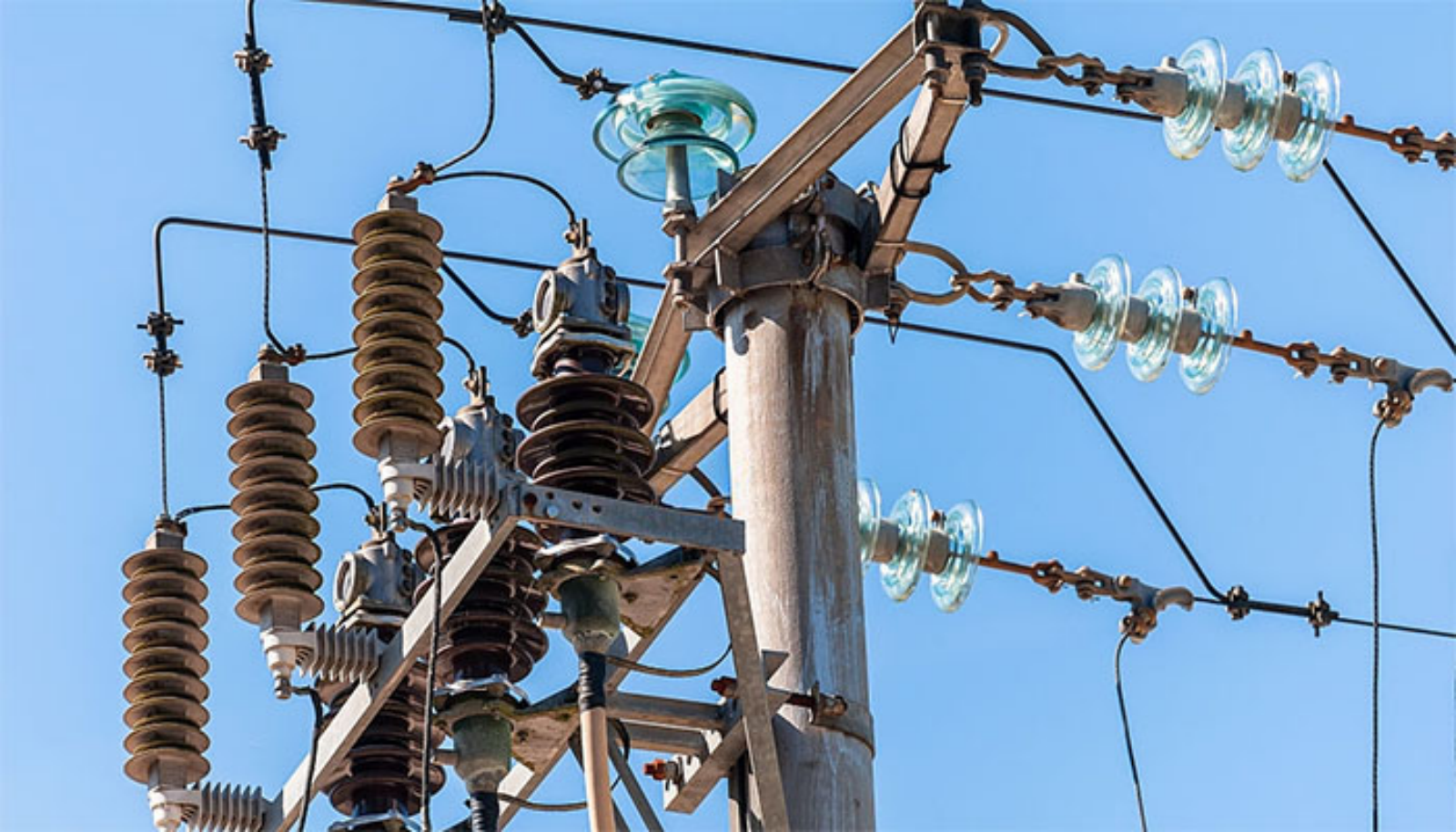
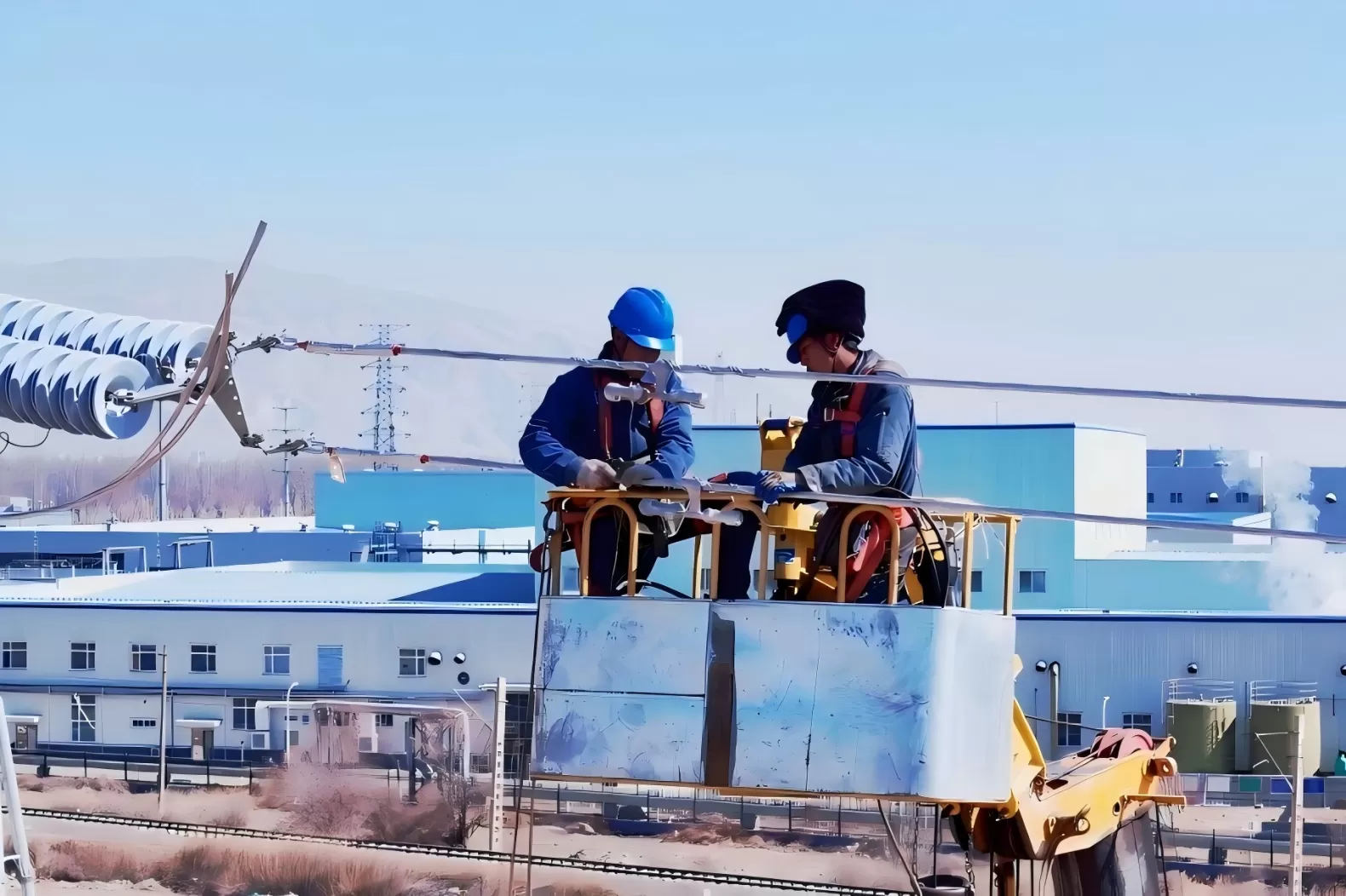
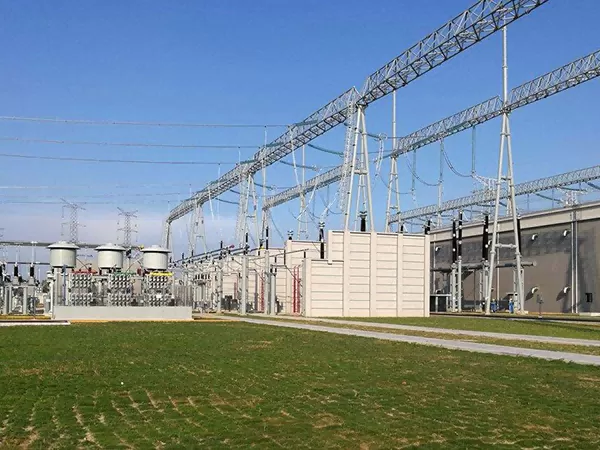
The project’s core infrastructure includes 11kV distribution lines that connect PV power plants to local substations, where voltage is stepped down to 0.4kV for end-user consumption. For these 11kV lines, insulators are critical: they must isolate the energized conductors from grounded towers, prevent electrical leakage, and withstand mechanical stresses (e.g., wind loads, conductor weight) and harsh environmental conditions (e.g., intense ,heavy rainfall, dust accumulation). This is where 11kV Toughened Glass Suspension Insulators prove indispensable.
2. Product Overview: 11kV Toughened Glass Suspension Insulators—Tailored for PV Grid Applications
2.1 Product Definition and Core Function
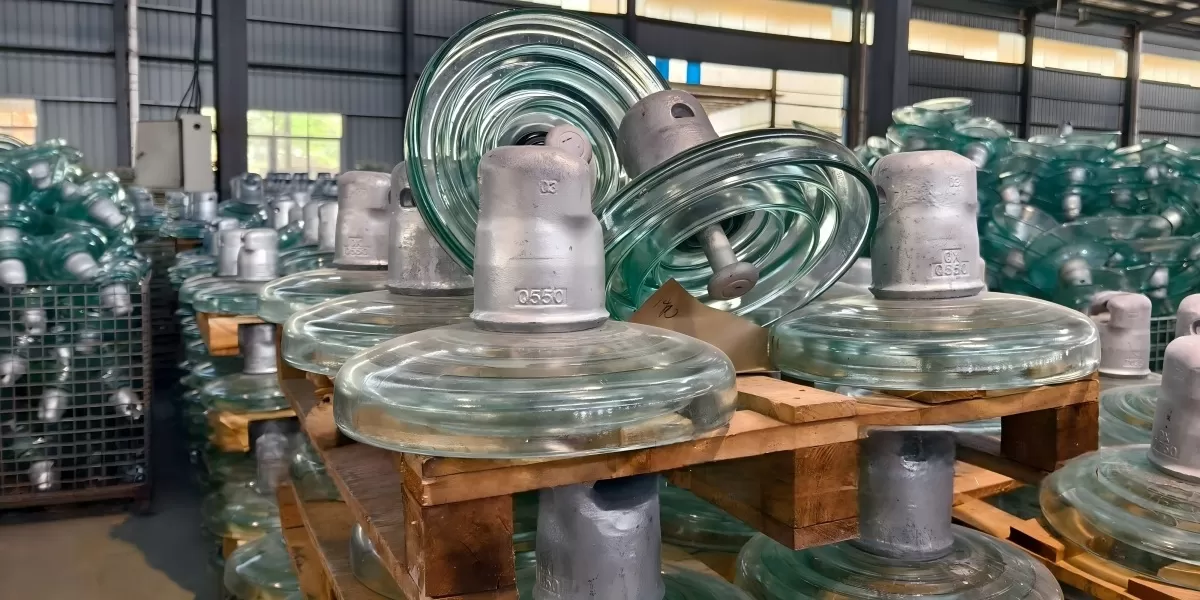
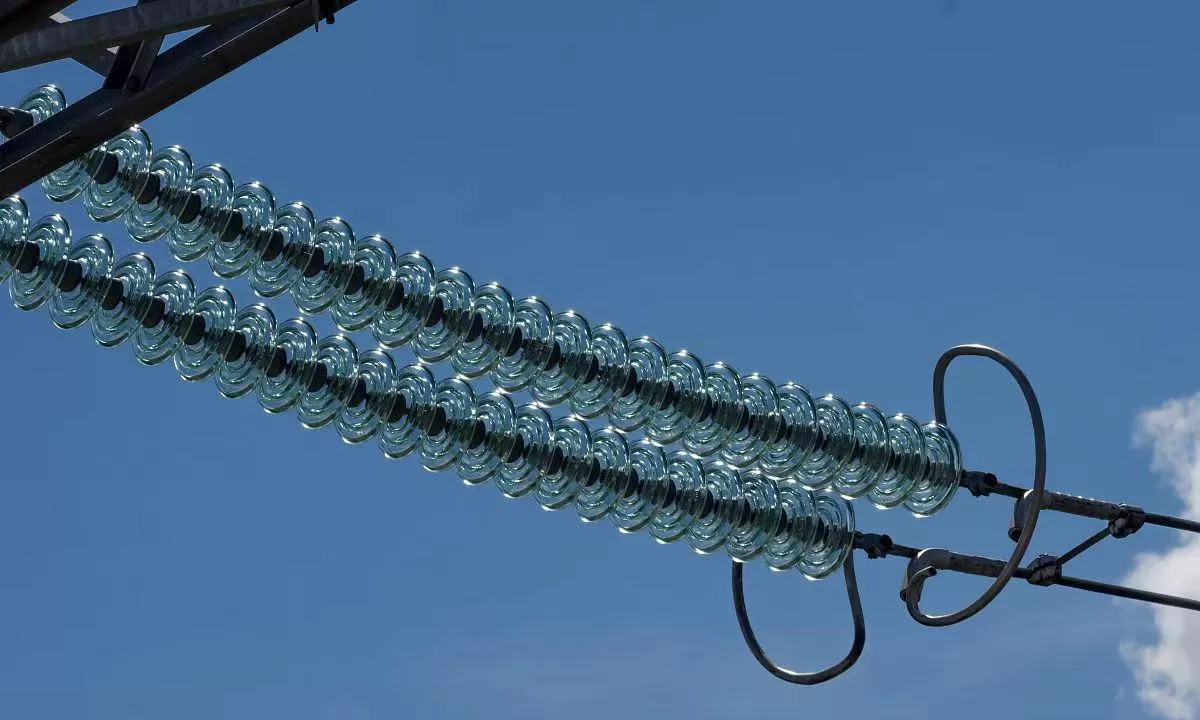
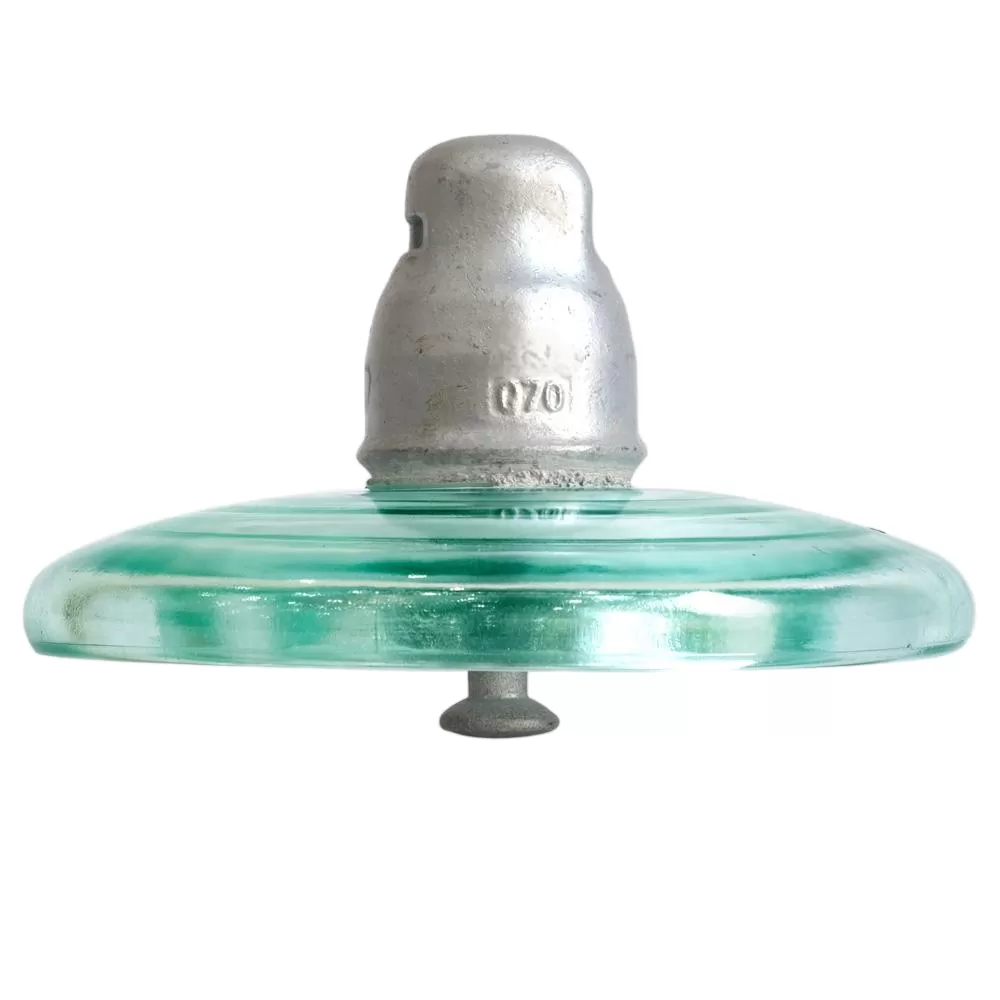
A 11kV Toughened Glass Suspension Insulator is a specialized electrical component designed to suspend and insulate 11kV power conductors in distribution lines. Unlike other insulator types (e.g., porcelain, composite), toughened glass insulators offer unique advantages for PV distribution grids—including superior mechanical strength, resistance to environmental degradation, and ease of maintenance.
In Nepal’s 11/0.4kV PV project, these insulators serve three primary functions:
· Electrical Insulation: Prevent current leakage from the 11kV conductor to the grounded tower,ensuring safe operation and avoiding power losses.
· Mechanical Support: Bear the weight of the conductor and withstand dynamic loads (e.g., wind, ice) common in Nepal’s hilly and coastal regions.
· Environmental Protection: Resist damage from UV radiation, humidity, and pollution, ensuring long-term performance in Nepal’s tropical monsoon climate.
2.2 Compliance with International Standards: IEC 60273
The 11kV Toughened Glass Suspension Insulators used in Nepal’s project strictly adhere to IEC 60273—the international standard for “Toughened glass insulators for overhead lines with a nominal voltage greater than 1 000 V.” Compliance with this standard is non-negotiable for the project, as it ensures:
· Uniformity in design and performance across global markets, simplifying procurement and quality verification.
· Meeting rigorous safety and reliability benchmarks, including dielectric strength, mechanical load capacity, and environmental resistance.
· Compatibility with other international-standard components (e.g., conductors, fitting) used in the project, reducing integration risks.
IEC 60273 certification also enhances the product’s credibility, as it is recognized by Nepal’s Department of Electricity Development (DoED) and international funding agencies (e.g., World Bank, Asian Development Bank) supporting the PV project.
3. Technical Specifications: Matching Nepal’s PV Grid Demands
The 11kV Toughened Glass Suspension Insulators are engineered to meet the exact requirements of Nepal’s 11/0.4kV PV Distribution Grid Project. Below is a detailed breakdown of key technical parameters and their relevance to the project’s success:
3.1 Voltage Ratings: Aligned with PV Grid Needs
Parameter | Specification | Relevance to Nepal’s Project |
Rated Voltage | 11kV (For 11kV PV distribution grid) | Matches the medium-voltage level of the project’s distribution lines, ensuring optimal insulation. |
Power Frequency Withstand Voltage | 35kV rms (50Hz) | Withstands temporary overvoltages (e.g., from PV inverter switching) without dielectric breakdown. |
Lightning Impulse Withstand Voltage | 95kV peak (1.2/50μs) | Protects the PV grid from lightning strikes—common in Nepal’s monsoon season—preventing line outages. |
Nepal’s PV distribution lines are exposed to frequent voltage fluctuations (due to variable solar irradiance) and lightning activity. The insulator’s high withstand voltage ratings ensures that the grid remains operational during these events, minimizing downtime and revenue losses for PV plant operators.
3.2 Mechanical Load Capacity: Built for Nepal’s Terrain
Parameter | Specification | Relevance to Nepal’s Project |
Minimum Breaking Load (MBL) | 70kN | Withstands extreme mechanical stresses, such as heavy winds in Nepal’s mountainous regions and conductor ice accumulation in winter. |
Recommended Working Load (RWL) | 23kN | Ensures a safe operating margin (≈30% of MBL), preventing insulator failure under normal and slightly abnormal conditions. |
Nepal’s 11kV PV distribution lines often traverse hilly and rugged terrain, where wind speeds can exceed 100 km/h during monsoons. The insulator’s 70kN MBL ensures that it can support the conductor’s weight and resist wind-induced tension, reducing the risk of line collapses.
3.3 Insulation Distance: Preventing Flashover in Humid Conditions
Parameter | Specification | Relevance to Nepal’s Project |
Creepage Distance | 320mm | Prevents surface flashover (current leakage along the insulator surface) in humid, dusty, or polluted environments—common in Nepal’s agricultural regions. |
Clearance | 200mm | Ensures adequate air insulation between the conductor and grounded tower,avoiding air breakdown in high-humidity conditions. |
Nepal’s tropical monsoon climate brings heavy rainfall (up to 2,500mm annually in some regions) and high humidity, which increase the risk of insulator flashover. The 320mm creepage distance and 200mm clearance are designed to mitigate this risk, ensuring reliable insulation even in wet conditions.
3.4 Material Composition: Durability in Harsh Environments
Component | Material | Key Advantages for Nepal’s Project |
Core | Toughened Glass | - High mechanical strength (4–5 times stronger than ordinary glass) - “Zero-value self-breaking” feature: Failed insulators shatter automatically, simplifying maintenance and reducing inspection costs. |
Surface | Smooth Anti-UV Glaze | - Resists UV radiation (critical in Nepal’s high-altitude regions, where UV intensity is 30% higher than lowlands) - Repels dust and water, minimizing surface pollution and flashover risks. |
Fittings | Hot-Dip Galvanized Steel (Ball & Socket Type) | - Corrosion resistance: Withstands Nepal’s humid and salty coastal air (e.g., in Terai region) - Ball & Socket design: Enables flexible installation on uneven terrain, reducing alignment errors. |
Toughened glass is superior to traditional porcelain insulators for PV projects because its zero-value self-breaking feature eliminates the need for time-consuming manual inspections. In Nepal, where many PV lines are in remote areas, this reduces maintenance costs and improves grid uptime.
4. Quality Assurance: Ensuring Reliability for PV Grid Longevity
The 11kV Toughened Glass Suspension Insulators supplied to Nepal’s project undergo rigorous quality testing to meet the highest industry standards. This ensures that the product performs consistently in the field, even under harsh conditions.
4.1 Testing and Certification
Every batch of insulators comes with two critical documents:
1. Routine Test Report: Includes results of 100% factory testing, such as:
· Power frequency withstand voltage test (35kV rms for 1 minute).
· Mechanical load test (23kN working load for 10 seconds).
· Dimensional inspection (creepage distance, clearance, fitting dimensions).
2. Solar Project-Specific QC Report: A customized quality check tailored to PV grid requirements, including:
· UV resistance testing (exposure to 1,000 hours of simulated UV radiation).
· Humidity cycling test (alternating between 95% RH and dry conditions for 50 cycles).
· Compatibility testing with PV grid hardware fittings and conductors.
These reports are verified by third-party certification bodies (e.g., TÜV, UL) to ensure impartiality and compliance with IEC 60273.
4.2 Production Quality Control
The manufacturing process of the insulators follows a strict quality management system (QMS) certified to ISO 9001:2015. Key quality control steps include:
1. Raw Material Inspection: Testing the purity of glass raw materials (e.g., silica sand) and galvanized steel to prevent defects.
2. Glass Forming and Tempering: Using automated presses to shape glass insulators, followed by a tempering process (heating to 600–700°C and rapid cooling) to enhance strength.
3. Glaze Application: Spraying a uniform anti-UV glaze layer and curing it at 800°C to ensure adhesion and durability.
4. Fitting Assembly: Press-fitting hot-dip galvanized steel fittings into the glass core, with torque testing to ensure secure attachment.
5. Logistics and Delivery: Meeting Nepal’s Project Timelines
Timely delivery of insulators is critical to the success of Nepal’s 11/0.4kV PV Distribution Grid Project, as delays in component supply can disrupt construction schedules and increase costs. The product’s logistics and delivery are optimized for efficiency:
5.1 Packaging
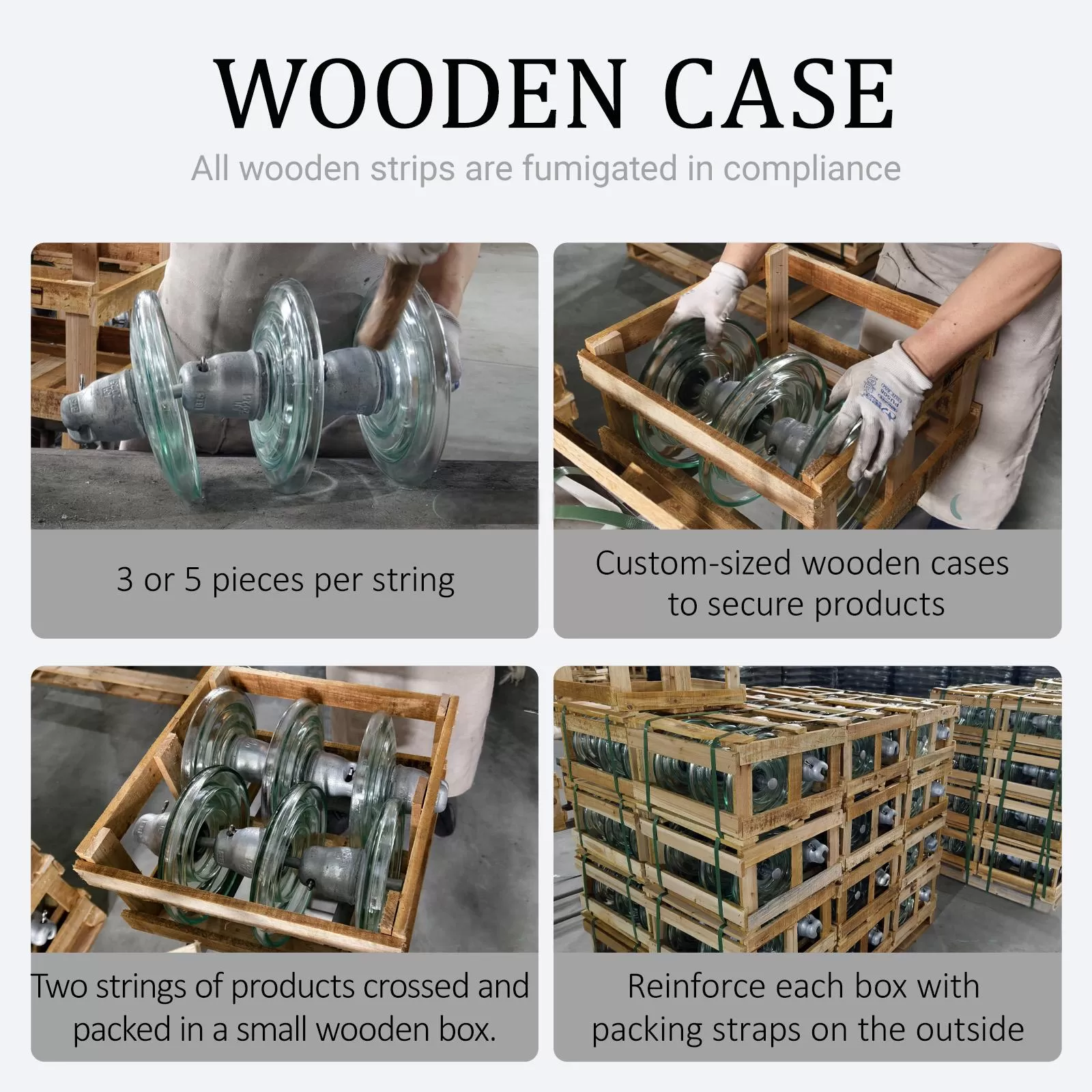
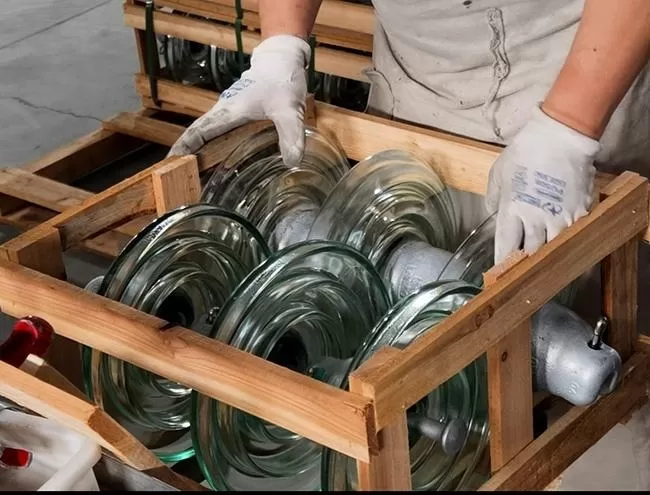
· Unit Packaging: 50 pieces of insulators per carton. Each carton is lined with foam cushioning to prevent breakage during transit.
· Bulk Packaging: 10,000 pieces per 40-foot high-cube (40HQ) container. Containers are palletized and secured with straps to avoid shifting during shipping.
The packaging is designed to withstand long-distance sea and land transport—from manufacturing facilities to Nepal’s project sites.
5.2 Delivery Terms and Timeline
· Incoterm: FOB (Free On Board) Kolkata, India. Kolkata Port is the closest major seaport to Nepal, reducing sea freight time and costs.
· Lead Time: 30–40 days after order confirmation. This includes production, testing, packaging, and documentation (e.g., customs clearance, certificate of origin).
For urgent project phases, expedited production (20–25 days) is available upon request, ensuring that the project stays on track.
6. After-Sales Support and Warranty: Minimizing Project Risks
The supplier of the 11kV Toughened Glass Suspension Insulators provides comprehensive after-sales support to Nepal’s PV project, ensuring long-term reliability and customer satisfaction.
6.1 Warranty Coverage
· Warranty Period: 36 months from the date of delivery.
· Coverage: Defects in materials or workmanship, including:
o Glass core breakage (excluding accidental damage).
o Glaze peeling or cracking.
o Fitting corrosion or loosening.
During the warranty period, the supplier replaces or repairs defective insulators free of charge, including shipping costs.
6.2 Technical Support
· PV Grid Integration Support: A team of electrical engineers provides on-site and remote support for insulator installation, including:
· Guidelines for proper mounting on 11kV tower.
· Compatibility checks with other grid components (e.g., conductors, surge arresters).
· Troubleshooting for insulation or mechanical issues.
· Training: Workshops for project technicians on insulator maintenance, including how to identify zero-value insulators and replace them safely.
7. Why 11kV Toughened Glass Suspension Insulators Are the Best Choice for Nepal’s PV Grid
When compared to alternative insulator materials (e.g., porcelain, composite), 11kV Toughened Glass Suspension Insulators offer unique advantages that align with Nepal’s project needs:
Insulator Type | Key Advantages | Key Disadvantages | Suitability for Nepal’s PV Project |
Toughened Glass | - Zero-value self-breaking - High UV and corrosion resistance - Low maintenance cost | - Slightly higher initial cost than porcelain | High (addresses remote maintenance and harsh climate) |
Porcelain | - Low initial cost - Wide availability | - No self-breaking feature (requires manual inspection) - Prone to glaze cracking in UV | Low (high maintenance needs in remote areas) |
Composite (Silicone Rubber) | - Lightweight - Good pollution resistance | - Prone to UV aging (short lifespan in high -altitude Nepal) - High cost | Medium (lifespan issues in UV-intense regions) |
For Nepal’s 11/0.4kV PV project—where remote locations, harsh climate, and low maintenance budgets are key constraints—toughened glass insulators provide the optimal balance of performance, durability, and cost-effectiveness.
8. Conclusion: Powering Nepal’s Solar Future with Reliable Insulation
Nepal’s 11/0.4kV PV Distribution Grid Project is a cornerstone of the country’s energy transition, and 11kV Toughened Glass Suspension Insulators are the backbone of this project’s 11kV distribution lines. By adhering to IEC 60273 standards, offering tailored technical specifications (e.g.,35kV power frequency withstand voltage, 70kN MBL, 320mm creepage distance), and providing robust quality assurance and after-sales support, these insulators ensure the project’s long-term reliability, safety, and efficiency.
As Nepal continues to expand its PV capacity—targeting 1,000 MW of solar power by 2030—11kV Toughened Glass Suspension Insulators will remain a critical component in integrating renewable energy into the national grid. Their ability to withstand harsh environmental conditions, reduce maintenance costs, and support seamless PV grid integration makes them the ideal choice for Nepal’s sustainable energy future.
Frequently Asked Questions (FAQs)
1. Are your 11kV toughened glass suspension insulators fully compliant with IEC 60273 standard for Nepal's PV projects?
Yes. All our 11kV glass insulators supplied to Nepal's 11/0.4kV PV distribution grid projects are manufactured and tested in strict accordance with IEC 60273 international standard. Each batch comes with a full routine test report and a solar project-specific QC report verified by third-party certification bodies, which are recognized by Nepal's Department of Electricity Development (DoED).
2. What is the delivery time for 11kV glass insulators to Nepal, and what are the shipping terms?
We offer FOB Kolkata (India) shipping terms, which is the most cost-effective and efficient route for Nepal-bound cargo. The standard lead time is 30–40 days after order confirmation, including production, testing, packaging and port clearance. For urgent project phases, expedited production (20–25 days) is available upon request.
3. What warranty do you provide for these insulators, and do you offer PV grid integration support?
We provide a comprehensive 36-month warranty covering all defects in materials and workmanship. In addition to standard replacement services, our technical team offers dedicated PV grid integration support, including on-site installation guidance, compatibility checks with PV system components, and troubleshooting for insulation or mechanical issues.
4. Can these 11kV glass insulators withstand Nepal's harsh climate conditions?
Absolutely. Our insulators are specifically engineered for Nepal's diverse climate:
· 70kN minimum breaking load withstands strong winds in mountainous regions
· 320mm creepage distance prevents flashover during heavy monsoon rains
· Smooth anti-UV glaze resists intense high-altitude UV radiation
· Hot-dip galvanized steel fittings provide excellent corrosion resistance in humid Terai regions
5. What is the minimum order quantity, and can you provide custom packaging for different project zones?
The minimum order quantity is 1,000 pieces for standard 11kV toughened glass suspension insulators. We offer custom packaging and labeling services, including climate zone-specific marking (e.g., "High-Altitude Zone – Anti-UV") to simplify on-site distribution. We can also adjust packaging specifications to meet your project's unique transportation requirements.