
Electrical Insulators vs Conductors: Core Differences & Practical Power Grid Uses
Electrical Insulators vs Conductors: Core Differences & Practical Power Grid Uses
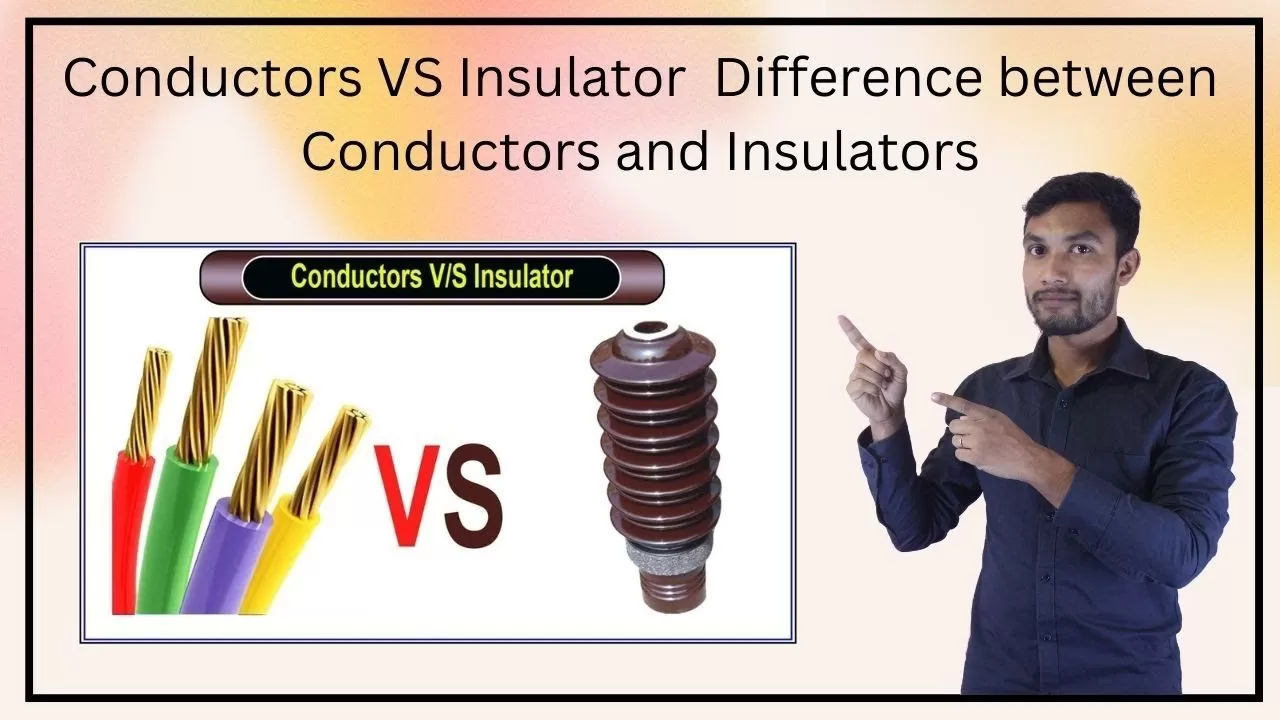
Introduction
In all electricity transmission, distribution and industrial power systems, insulators and conductors form two core functional material categories that cannot be separated. Many beginners in the electrical industry often confuse their usage scenarios, or cannot accurately distinguish what a insulator is and how it differs from conductive materials.
From household wire casing to large-scale overhead powerline facilities running across cities, towns and countryside, reasonable matching of conductors and electric insulators is the basic guarantee for safe and stable operation of the entire powergrid. Energy suppliers and power companies all take material selection of conductors and insulators as the primary link of grid construction and daily renovation.
This article focuses on explaining the essential distinctions between insulators and conductors, lists rich insulator examples in electricity, sorts out practical application scenarios, and combines field operation experience to elaborate on selection principles matching different voltage levels and environments.
Basic Definition & Core Physical Properties
What Are Conductors
Conductors refer to substances with a large number of free electrons inside, which can rapidly form directional electron flow under the action of external electric field, so as to smoothly transmit electric energy and electric signals.
Common industrial power conductors are mainly copper, aluminum and alloy conductive materials. They feature extremely low resistivity, excellent current carrying capacity, stable electrical conductivity and strong ductility, which fully meet the long-distance power transmission demands of power grids.
In power system design, conductors are responsible for undertaking all electric energy transmission tasks, which is the main carrier of electric power delivery from power stations to various electricity providers and end users.
What Is an Electric Insulator
Corresponding to conductors, electric insulator is a kind of material or finished electrical component with extremely high internal resistance, whose internal electrons are tightly bound and difficult to move freely. Under normal working voltage, it can almost completely block the leakage of electric current.
People often search what is the insulators and what a insulator in professional inquiry scenes. In short, all components used for electrical isolation, live part separation and electric leakage prevention in circuits and power facilities belong to the scope of electrical insulator.
Glass as insulation is one of the most mainstream and mature application forms at present, widely used in high voltage overhead lines, which is also the core product promoted and supplied by most professional insulators company.
Core Property Contrast Table
| Performance Item | Conductors | Electrical Insulators |
| Internal Electron State | Mass free electrons | Electrons tightly bound |
| Resistivity Level | Extremely low | Extremely high |
| Common Temperature Feature | Conductivity slightly drops when heated | Insulation performance declines when overheated |
| Main Function | Transmit electric current | Isolate current, prevent electric leakage |
| Typical Application | Power line core, busbar, cable core | Line fixing isolation, equipment insulation support |
Detailed Classification & Classic Insulator Examples
To facilitate field selection and daily learning, we classify mainstream electric insulator products in electricity industry, and list standard examples for reference by electric companies and construction teams.
1. Glass Insulators
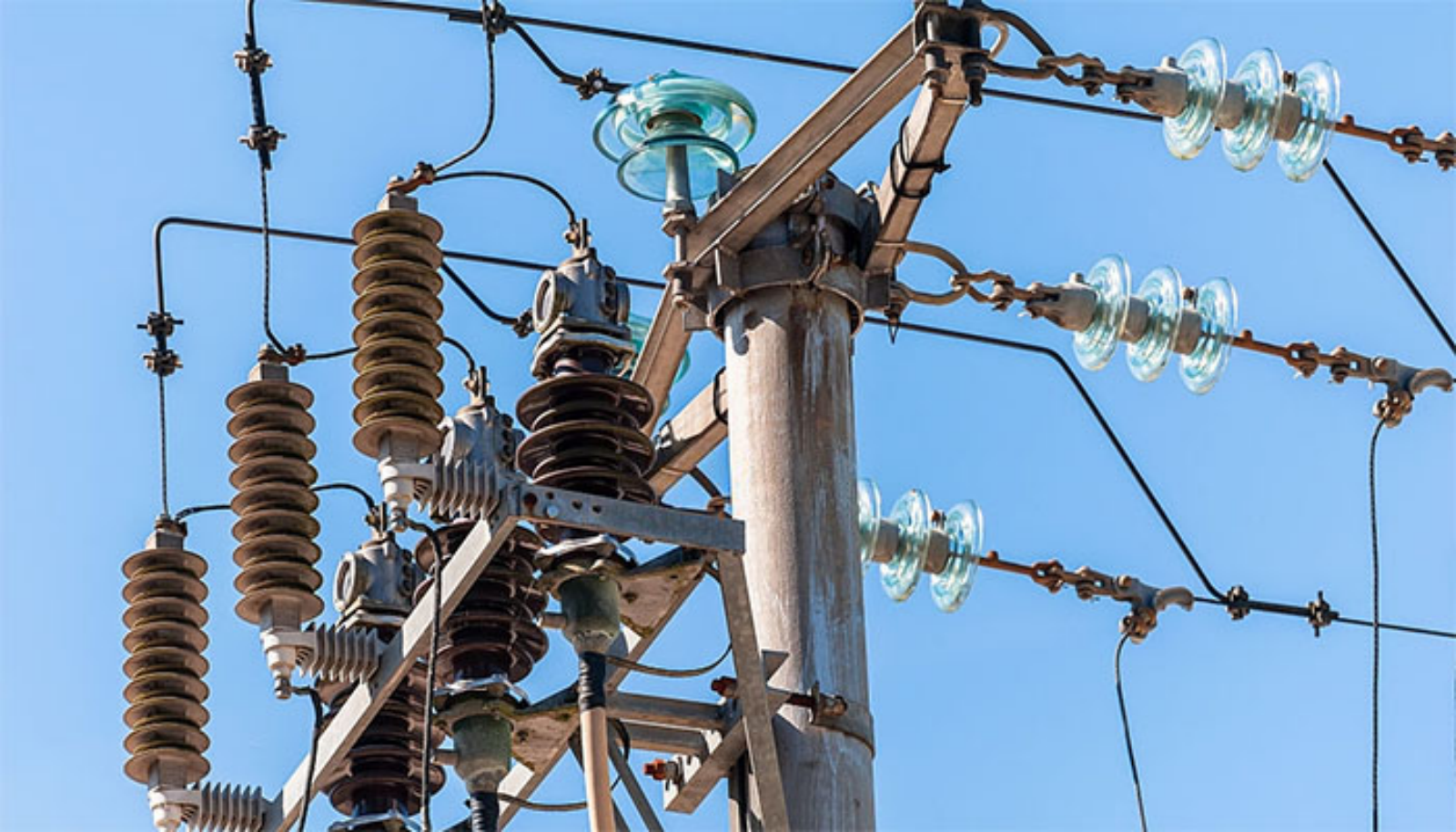
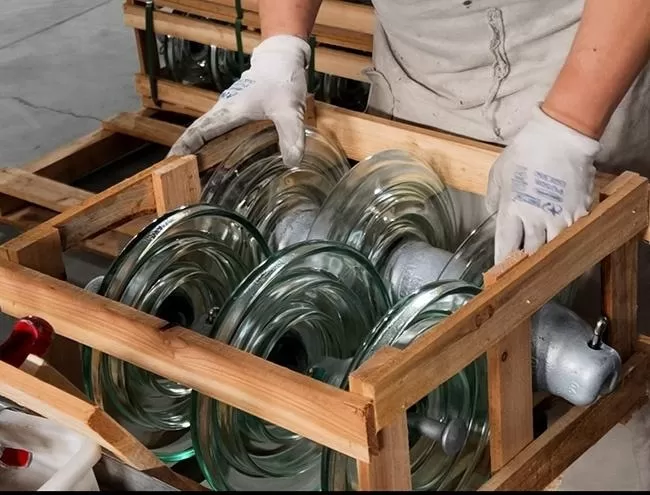
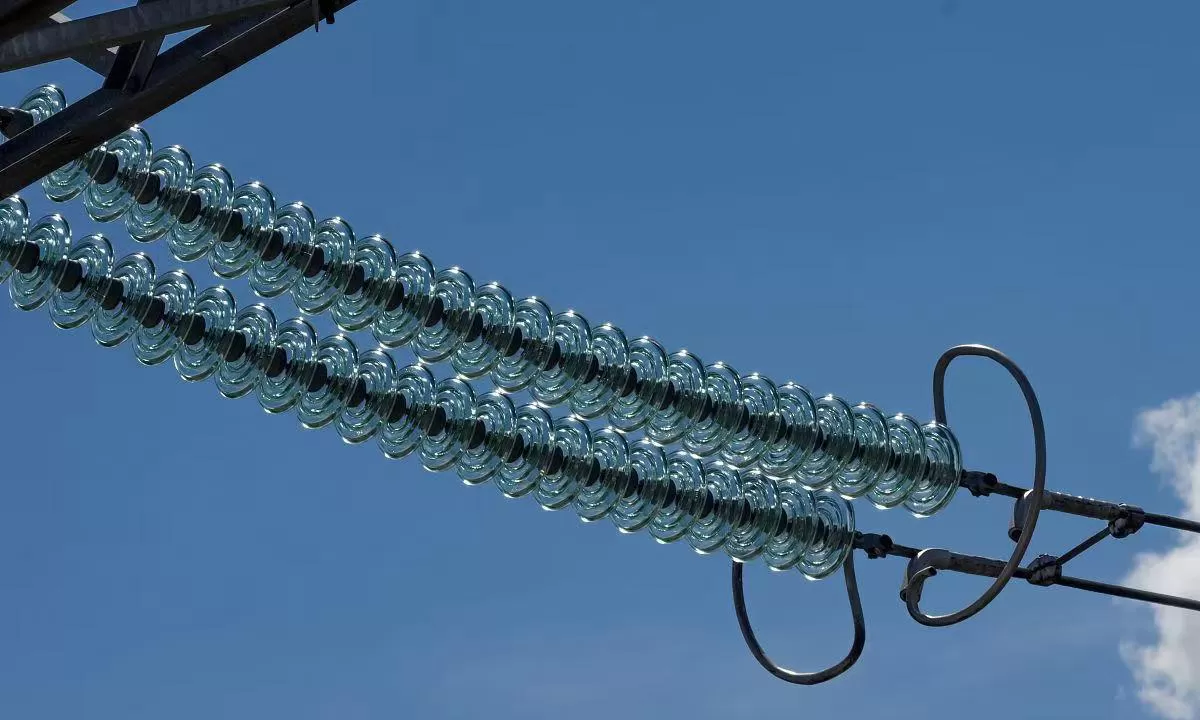
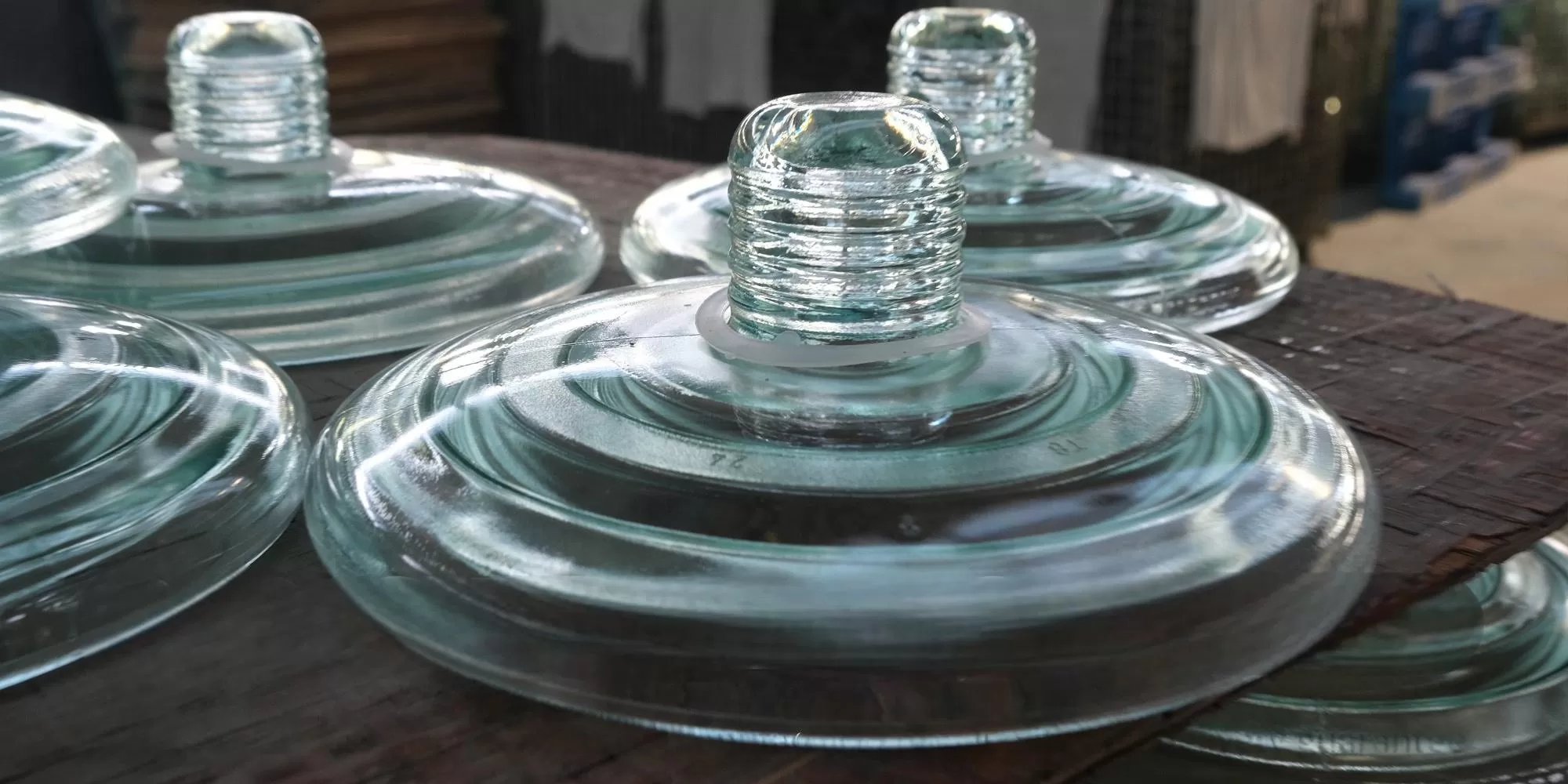
Insulators glass is the most widely used high voltage insulator product in global power grids, including suspension type, pin type, post type and strain type. It has outstanding mechanical strength, strong anti-aging ability and intuitive defect observation advantage, and is the preferred matching part for medium and high voltage powerline erection.
Common insulator examples of glass series cover all mainstream voltage grades from 10kV to 1000kV, which can adapt to plain, coastal, industrial pollution and other complex operation environments, and greatly reduce the later maintenance pressure of energy suppliers.
2. Ceramic Insulators
Traditional classic insulation products, low in manufacturing cost and stable in basic insulation performance, are mostly applied in low and medium voltage distribution lines in rural areas and urban ordinary distribution networks. Due to hidden crack defects that are not easy to find, they are gradually replaced by glass insulators in key backbone power grids.
3. Polymer Composite Insulators
Light in weight, good in anti-fouling flashover performance, suitable for high altitude, heavy pollution and ice-prone areas. It is widely matched in new energy power generation access lines, but its service life is shorter than glass insulators, and it needs regular inspection and renewal.
4. Daily Simple Insulator Examples
In addition to power grid special parts, there are a large number of easy-to-understand examples for insulators in daily life: plastic wire skin, rubber insulating sleeve, porcelain switch base, bakelite electrician board, glass insulating baffle etc., all belong to common electric insulator materials.
Practical Collaborative Application in Power Grid Operation
The stable operation of the entire powergrid completely relies on the reasonable cooperation of insulators and conductors, and there is no way to operate normally by relying on a single material alone.
Overhead Transmission Line Matching
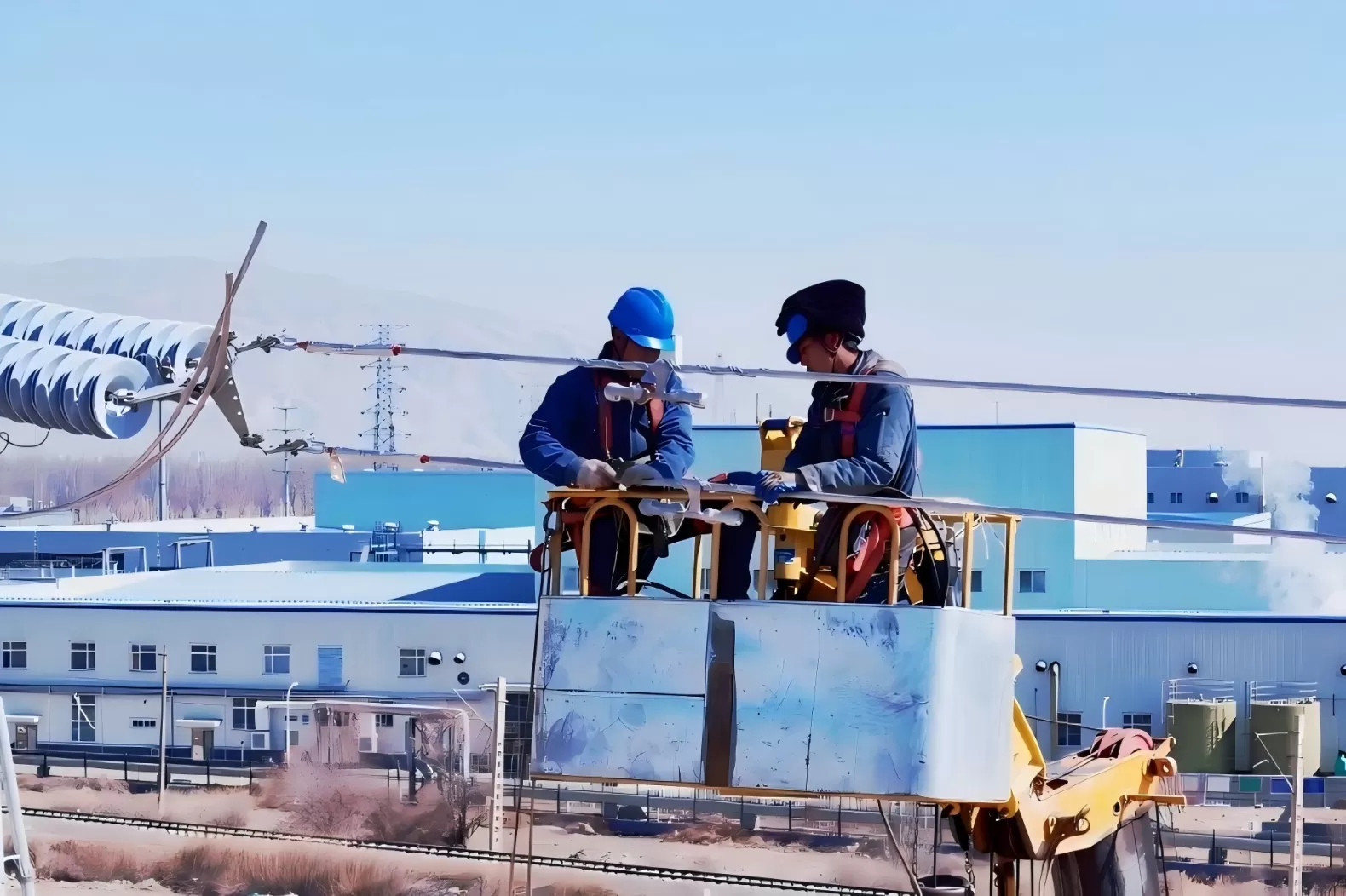
The internal aluminum stranded wire plays the role of conductor to transport high voltage electric energy efficiently. The external series-connected glass insulator strings separate the live conductor from the metal tower body which is connected to the ground, effectively blocking current from flowing into the ground along the tower body, avoiding large-area electric energy loss and safety accidents.
This matching mode is adopted in all backbone lines built by major energy companies and power companies, which is also the most mature application mode verified by long-term field operation.
Substation Internal Layout
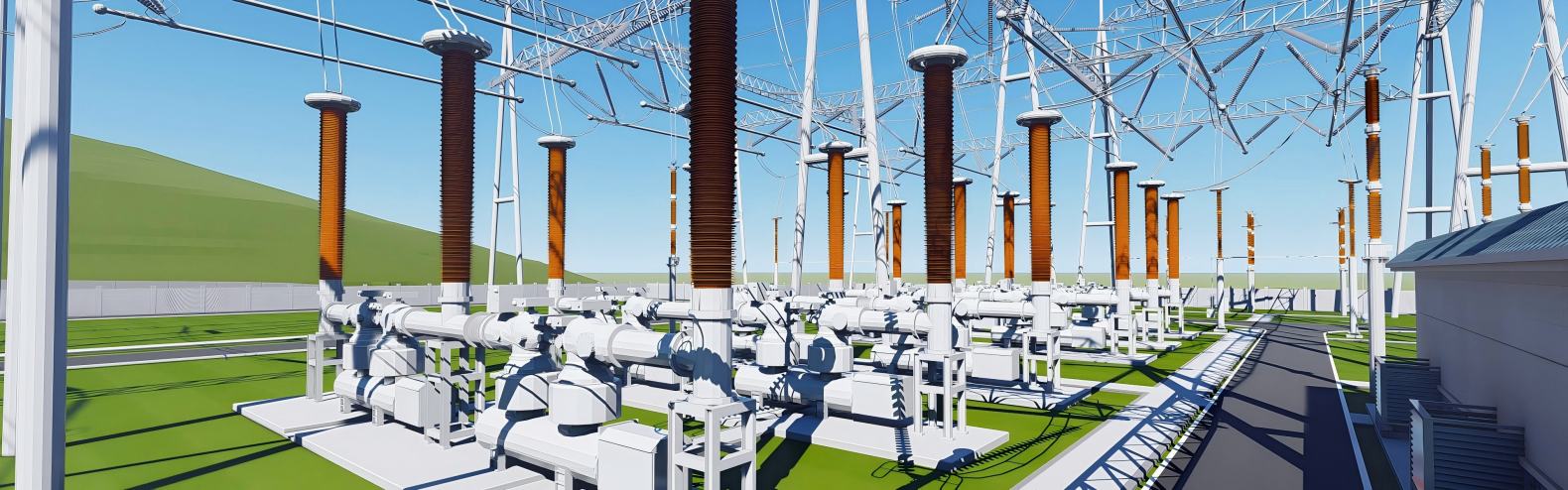
In substations, copper busbars act as conductors to complete electric energy convergence and shunt. Post-type electrical insulators support and isolate all live busbars, isolating high voltage live parts from ground supports and equipment shells, so as to avoid short circuit faults inside the station.
Civil Distribution Circuit
Household wires use copper core conductors to transmit electricity, and outer rubber and plastic insulating layers serve as insulators to isolate current, preventing electric leakage and electric shock risks for users. All electric suppliers near me and electric company near me also take standard insulation configuration as the basic acceptance standard for residential power supply engineering.
Influence of Environmental Factors on Insulation Performance
In actual outdoor operation, the insulation capacity of all electric insulator products will be affected by external environment, which is also an important content that must be mastered by maintenance personnel of electricity providers.
High humidity, heavy fog, rain and snow weather will form a water film on the surface of insulators, reducing surface insulation resistance and increasing hidden dangers of leakage current and flashover. Coastal salt fog, industrial dust and chemical pollutants attached to the surface will also continuously erode insulation structure and accelerate performance attenuation.
At this time, regular execution of electrical insulation resistance test becomes particularly important. Through standardized testing, staff can accurately judge the aging degree and performance state of insulators, arrange cleaning maintenance or parts replacement in advance, and avoid sudden line failure leading to power outage losses.
Selection Suggestions for Energy Suppliers & Purchasers
1. Prioritize glass insulators for high voltage main lines, with long service life and convenient later inspection, which can effectively control long-term grid operation cost.
2. For low voltage short distance distribution lines, reasonably select cost-effective ceramic insulators to balance construction budget and use demand.
3. Severe pollution and high altitude areas prefer composite insulators with strong anti-fouling performance to improve line operation stability.
4. When purchasing in batches, give priority to formal insulators company with complete qualification certification and perfect testing reports, do not blindly choose the cheapest energy supplier and low-cost inferior insulation parts, so as to avoid hidden safety troubles.
5. When searching insulators near me for emergency spare parts procurement, confirm product voltage level, mechanical load parameters and standard compliance in advance to ensure accurate matching and quick replacement.
Common Misunderstandings to Avoid
Many practitioners have cognitive deviations in the use of insulators and conductors in daily work, which are easy to cause wrong operation and hidden dangers:
· Mistake 1: The higher the insulation resistance, the better unconditionally. In fact, it only needs to meet the national and international standard threshold, excessive pursuit of ultra-high resistance will increase unnecessary procurement cost.
· Mistake 2: All insulators can be used universally. Different voltage grades correspond to dedicated insulation specifications, and mixed use will directly trigger flashover and breakdown accidents.
· Mistake 3: Glass insulators do not need maintenance. Although it has self-cleaning advantages, long-term accumulation of thick pollutants still needs regular cleaning and resistance detection.
Conclusion
To sum up, mastering the essential difference between insulators and conductors is the basic professional knowledge of all practitioners engaged in electric power energy industry. Conductors undertake the core task of electric energy transmission, while electric insulator is the safety barrier to ensure orderly power transmission and isolate electric risks.
Among numerous insulation products, glass as insulation still occupies an irreplaceable core position in global power grid construction by virtue of comprehensive performance advantages. Combined with regular electrical insulation resistance test detection, scientific matching selection and standardized daily maintenance, energy suppliers can greatly improve the overall stability of power grid, reduce failure rate, ensure stable power supply for society, and realize safe, efficient and low-cost operation of power facilities.
FAQ
1. Are insulators completely unable to conduct electricity?
No. Under ultra-high voltage breakdown condition, all insulators will lose insulation effect and conduct electricity. They only keep high resistance insulation state within rated working voltage.
2. Which is more suitable for long distance transmission lines, glass or composite insulators?
Glass insulators are more suitable, with longer service life, easier defect inspection and lower comprehensive maintenance cost.
3. Can daily plastic and rubber be used as power high voltage insulators?
They can only be used for low voltage insulation, unable to bear high voltage impact, and are forbidden to be used in medium and high voltage powergrid facilities.
4. Why need regular insulation resistance test for running insulators?
It can timely judge surface pollution, internal aging and hidden crack problems, realize predictive maintenance and prevent sudden line power failure.
5. What industries need to purchase a large number of electrical insulators?
Power grid operation enterprises, energy companies, overhead line equipment manufacturers, industrial power distribution groups and new energy power station construction units all have stable purchasing demands.