Electric Fence Insulators and the Science of Electrical Insulation
Electric Fence Insulators and the Science of Electrical Insulation
Introduction: The Critical Role of Insulators in Electric Fence Systems
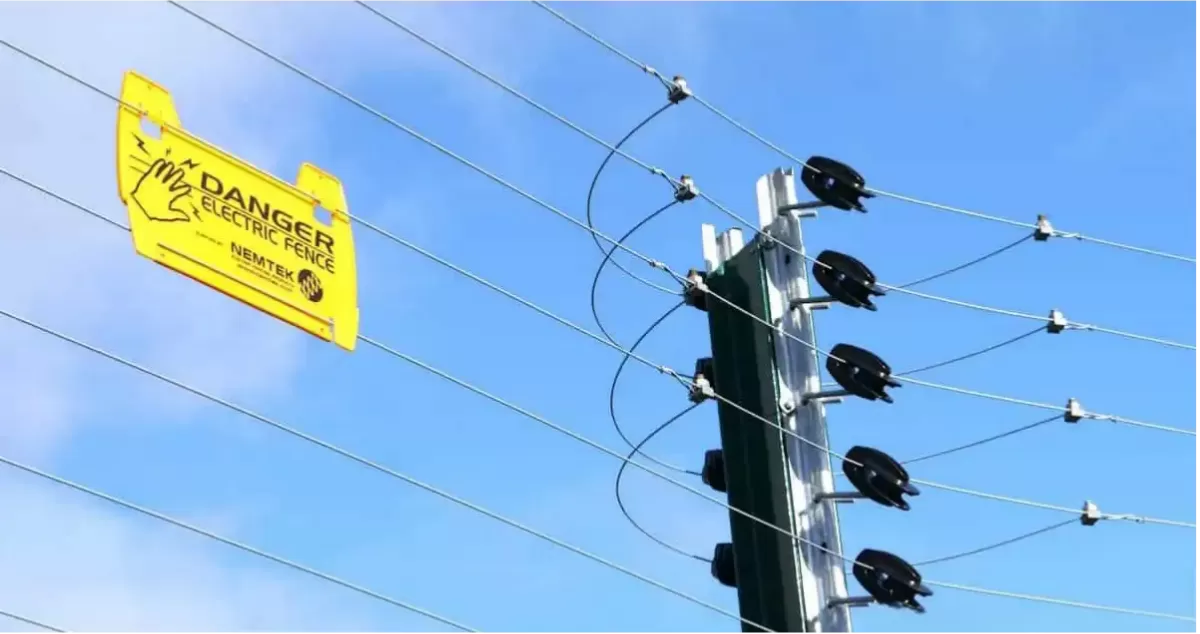
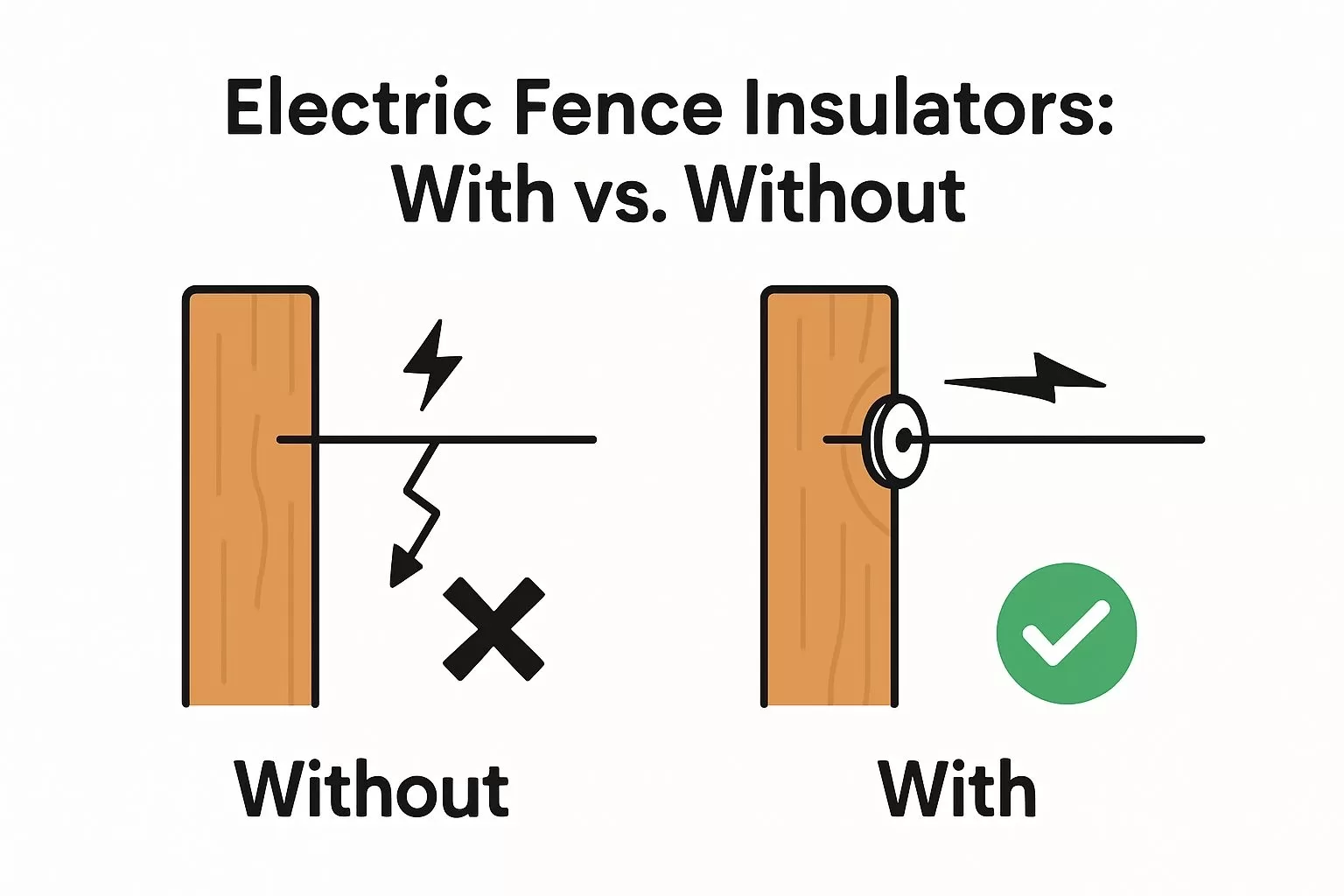
When it comes to electric fencing, the unsung heroes that ensure your system works effectively are insulators for electric fence. These small but essential components separate the electrified wires from the fence posts, preventing electrical current from leaking into the ground and ensuring your fence maintains the necessary voltage to deter animals or intruders. Without proper insulator electric fence installations, your electric fence will simply not work - the current will ground out through the posts, leaving you with a non-functional barrier that won't protect your property or livestock.
But electric fence insulators are just one application of a fundamental electrical concept: the difference between insulators and conductors. To truly understand why these components are so vital, we need to answer the question: what is insulator and conductor? This knowledge will not only help you select the right insulators for your electric fence but also give you a deeper appreciation for how electricity works in various applications.
In this comprehensive guide, we'll explore the science behind electrical insulation, dive into the different types of electric fence insulators available, discuss installation best practices, and provide expert recommendations to help you build a reliable and effective electric fencing system.
Chapter 1: Understanding Electrical Insulators and Conductors
1.1 What is Insulator and Conductor: Basic Definitions
Let's start with the fundamentals. In the world of electricity, materials are classified based on their ability to conduct electric current:
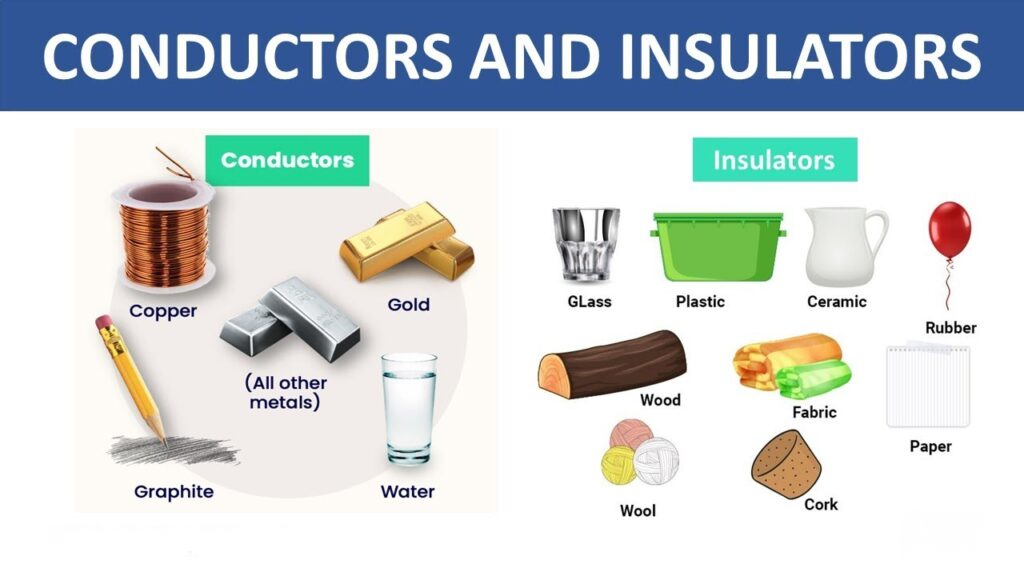
Conductors: Materials that allow electric current to flow freely through them. In conductors, electrons are loosely bound to their atoms, enabling them to move easily when an electric field is applied. Common examples include:
o Metals (copper, aluminum, iron)
o Saltwater
o Graphite
o Human body (when wet)
Insulators: Materials that resist the flow of electric current. In insulators, electrons are tightly bound to their atomic nuclei, making it difficult for them to move even when an electric field is present. Common examples include:
o Glass (glass is an insulator, not a conductor)
o Rubber
o Plastic
o Porcelain/ceramic
o Dry wood
o Air (dry)
The key property that distinguishes insulators from conductors is resistivity - insulators have extremely high resistivity (typically 10¹² Ω·m or higher), while conductors have very low resistivity (typically 10⁻⁸ Ω·m or lower). This difference in resistivity is what makes electric insulators essential for separating electrical components and preventing unwanted current flow.
1.2 The Science Behind Insulation: How Insulators Work
Electrical insulators work by creating a barrier with high electrical resistance that prevents the flow of electric charge between two points. When you apply a voltage across an insulator, the electric field attempts to move electrons through the material, but the tightly bound electrons in insulators resist this movement.
However, no insulator is perfect. All insulators will eventually conduct electricity if the applied voltage is high enough to overcome their dielectric strength - this phenomenon is called breakdown voltage. For electric fence applications, the breakdown voltage of the insulator must be significantly higher than the operating voltage of the fence (typically 5,000-10,000 volts for most livestock fences) to ensure reliable performance.
Another important factor for outdoor insulators like those used in electric fencing is surface leakage current. This occurs when moisture, dirt, or pollution on the insulator's surface creates a conductive path that allows some current to flow, even if the insulator itself doesn't break down. High-quality electric fence insulators are designed with smooth surfaces and specific shapes to minimize this effect.
1.3 Electric Insulators and Conductors Examples in Everyday Life
To help you better understand the practical applications of insulators and conductors, here are some common examples:
Application | Conductor | Insulator | Purpose |
Electric Fence | Fence wire (steel, aluminum) | Plastic/glass/ceramic insulator | Keep current in wire, prevent grounding through posts |
Power Cables | Copper/aluminum core | PVC/XLPE jacket | Conduct electricity safely, protect users from shock |
Light Bulb | Tungsten filament | Glass bulb, ceramic base | Allow current to heat filament, insulate from socket |
Electrical Outlets | Copper contacts | Plastic housing | Conduct electricity to devices, prevent user contact |
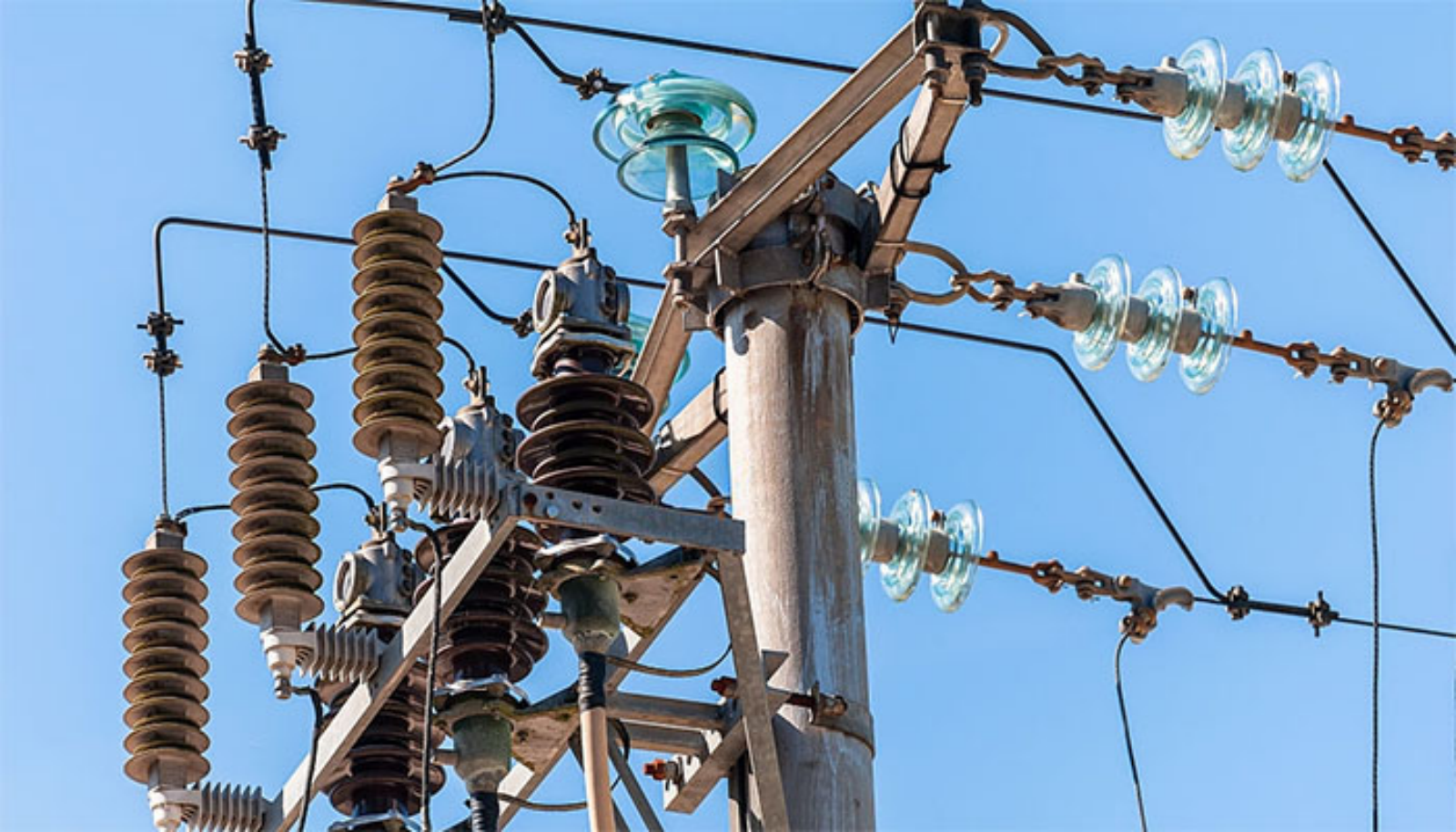
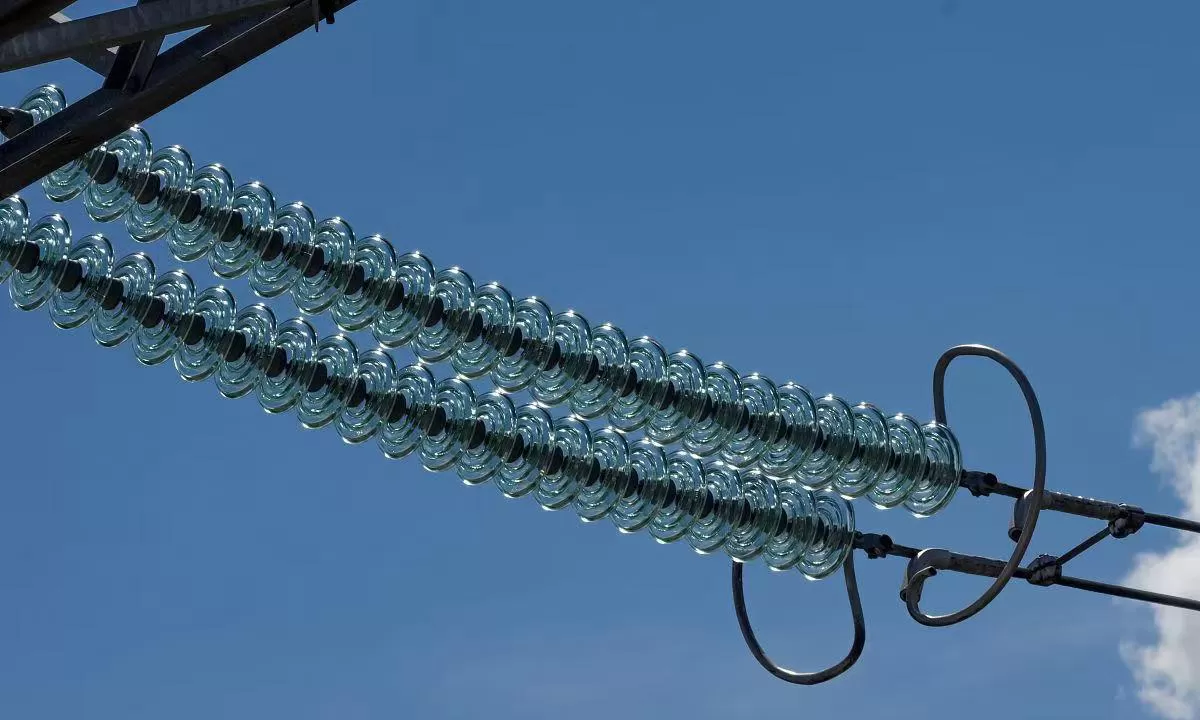
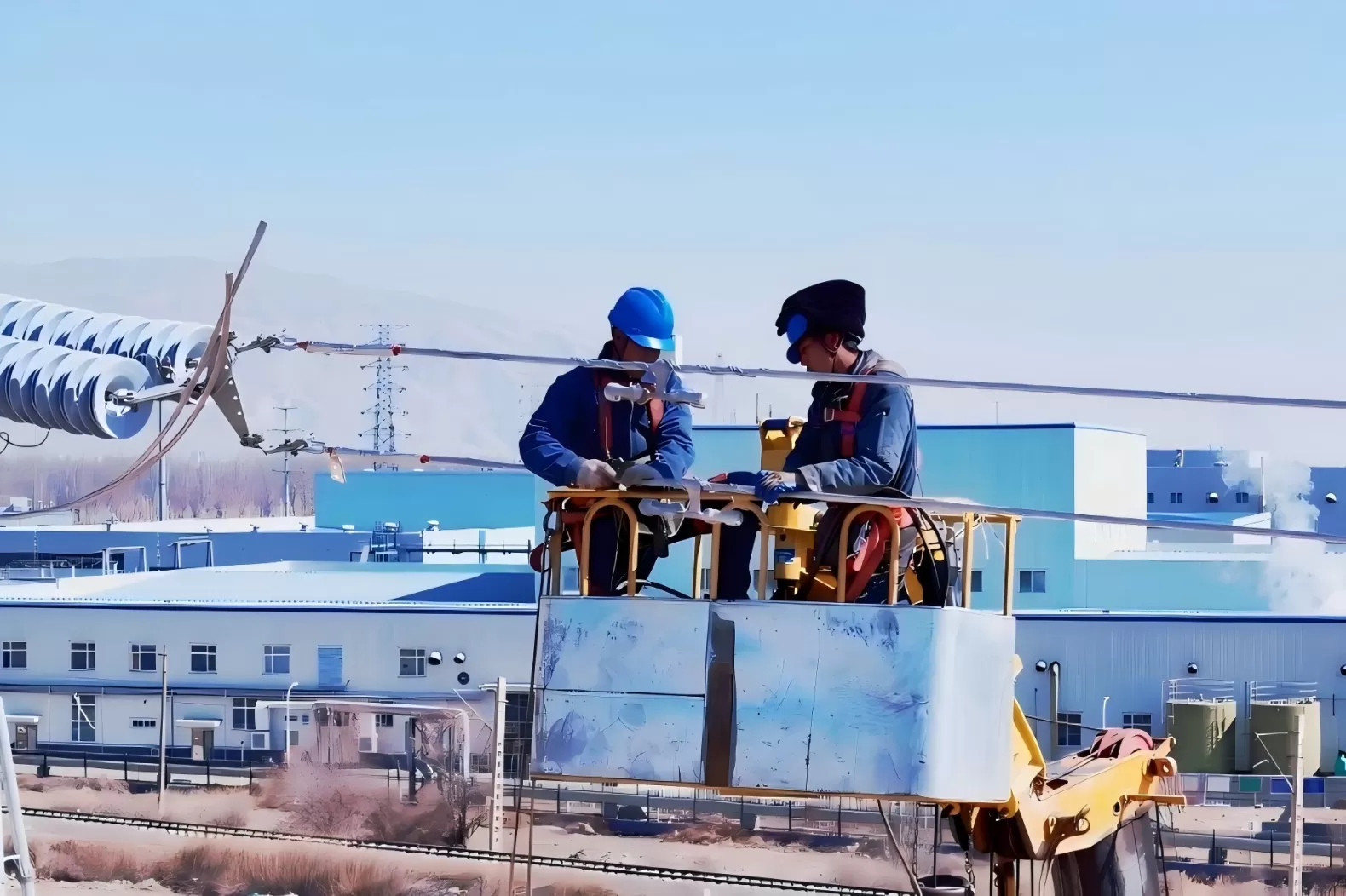
Overhead Power Lines | Aluminum conductor | Glass/ceramic/polymer insulator | Transmit electricity over long distances, isolate from poles |
This table clearly shows how insulators and conductors work together in various electrical systems, including the electric fence insulators we're focusing on in this guide.
Chapter 2: Types of Electric Fence Insulators: Materials, Designs, and Applications
2.1 Materials Used in Electric Fence Insulators
Electric fence insulators are made from several different materials, each with its own advantages and disadvantages:
Plastic Insulators (Most Common)
Materials: High-density polyethylene (HDPE), polypropylene, PVC
Advantages: Low cost, lightweight, easy to install, UV-resistant options available
Disadvantages: Less durable than glass/ceramic, can degrade in extreme temperatures
Best For: General-purpose fencing, temporary fences, budget installations
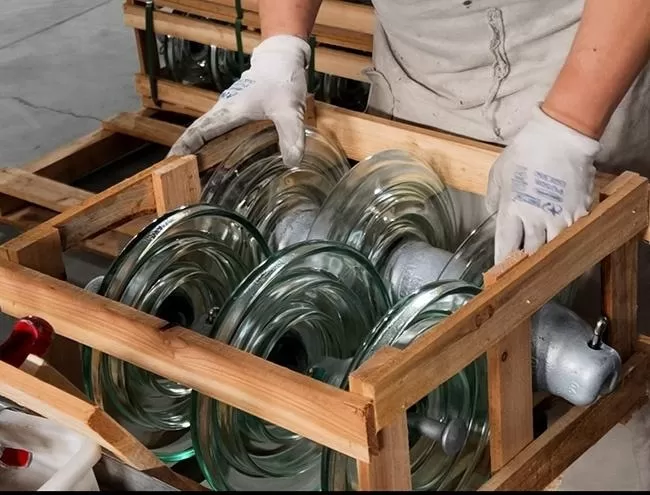
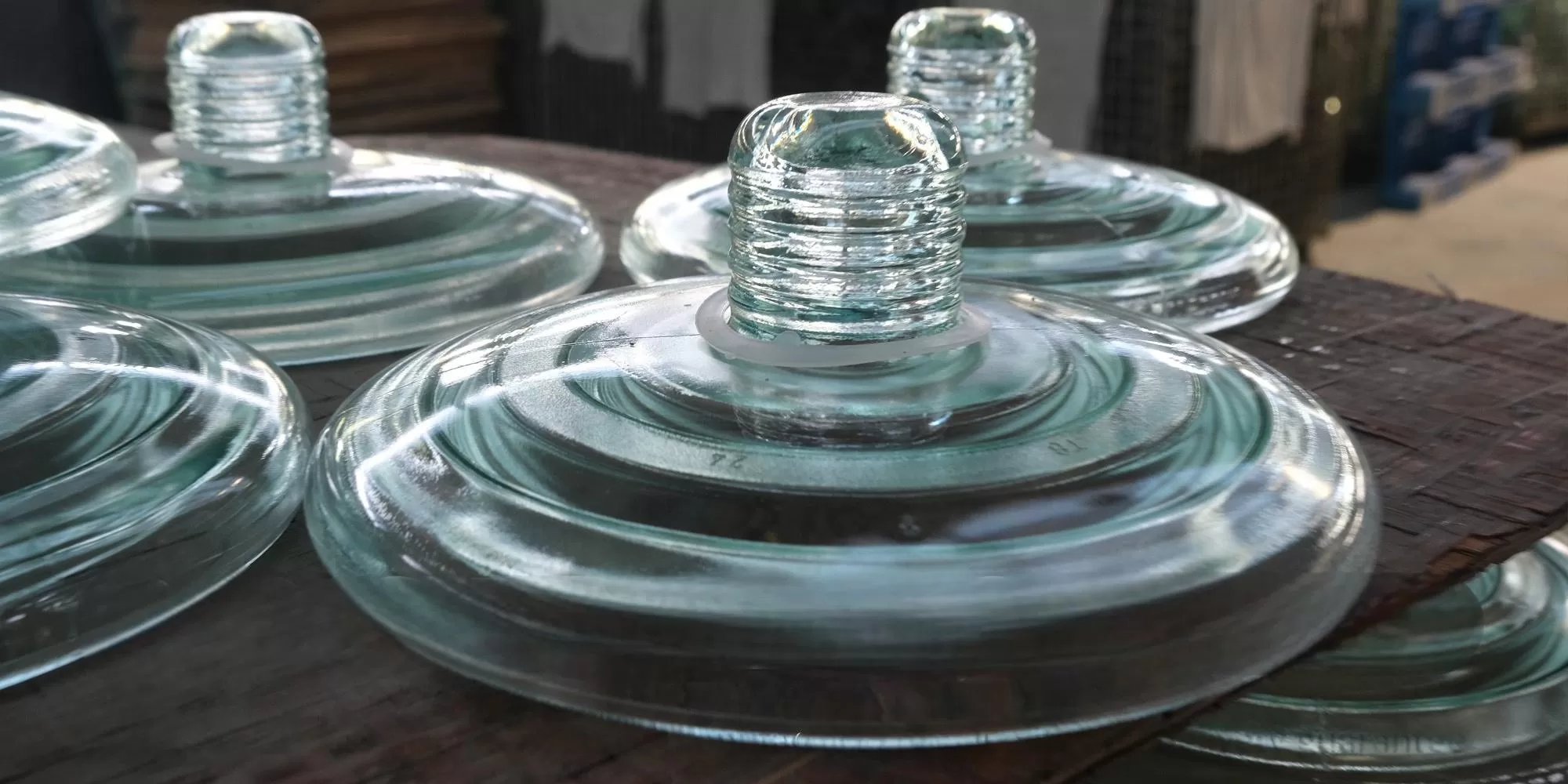
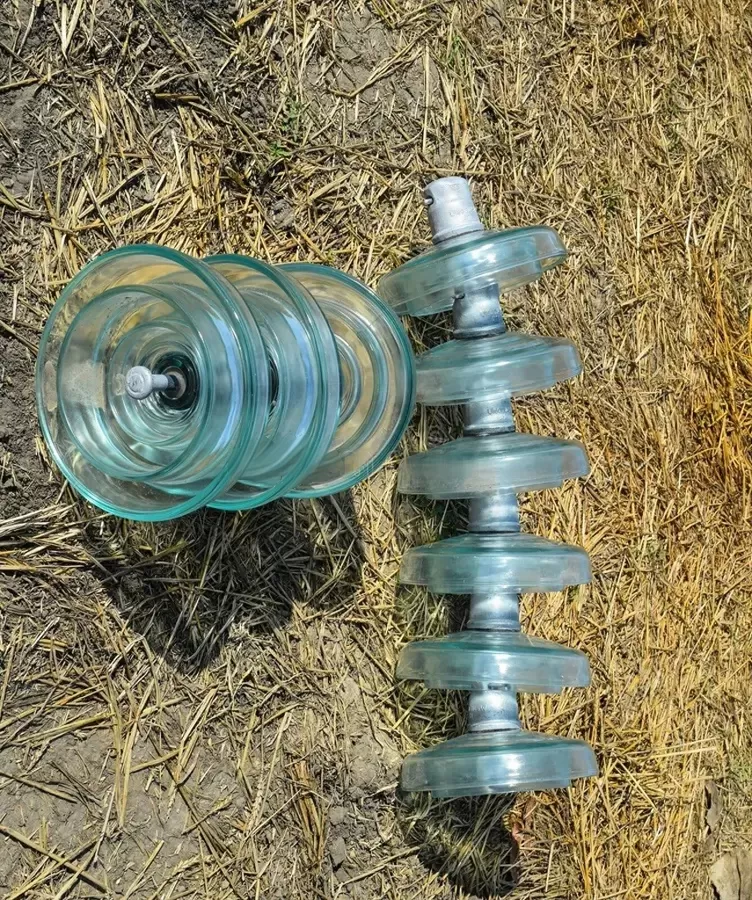
Materials: Tempered glass (similar to electrical power line glass insulators)
Advantages: Excellent insulation properties, high dielectric strength, long lifespan (40+ years),
self-cleaning surface
Disadvantages: Higher cost, heavier, can break if struck with force
Best For: Permanent fences, high-voltage applications, areas with extreme weather
Ceramic/Porcelain Insulators
Materials: Fired ceramic/porcelain
Advantages: Very durable, high heat resistance, excellent insulation
Disadvantages: Heavy, brittle, more expensive than plastic
Best For: Heavy-duty applications, areas with high pollution or extreme temperatures
Composite/Polymeric Insulators
Materials: Fiberglass core with polymer coating (silicone rubber)
Advantages: Lightweight, high strength-to-weight ratio, excellent pollution performance
Disadvantages: Higher cost than basic plastic, can degrade over time in UV exposure
Best For: Specialized applications, areas with heavy pollution
2.2 Design Types of Electric Fence Insulators
Electric fence insulators come in various designs tailored to specific fence post types and applications:
Wood Post Insulators
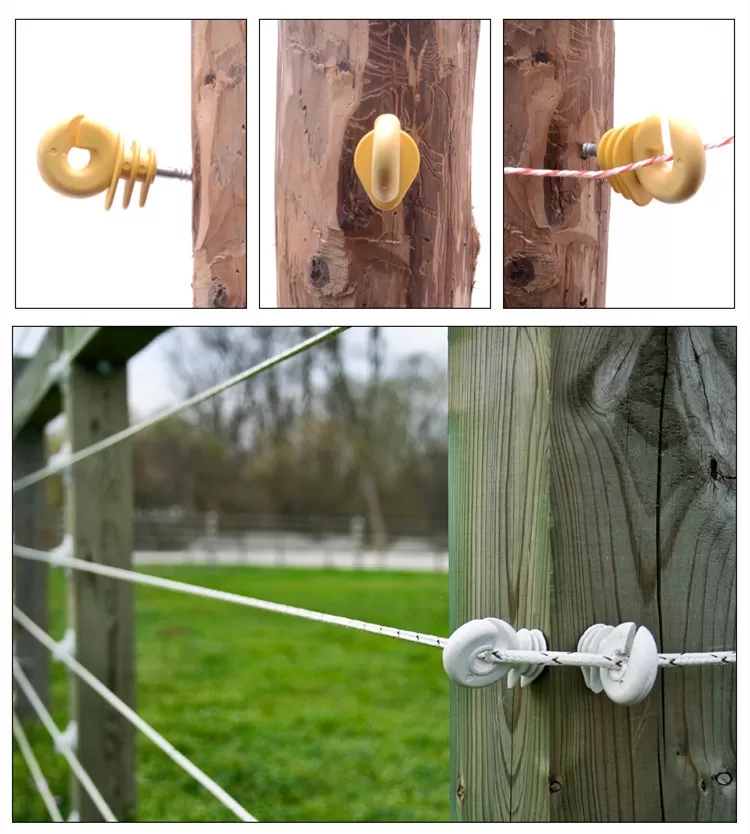
Screw-in: Threaded to be screwed directly into wooden posts
Nail-on: Attached with nails or screws
Pin-lock: Feature a pin that secures the insulator to the post
Best Practice: Pre-drill holes slightly smaller than the screw diameter to prevent splitting posts
Metal T-Post Insulators
Snap-on: Designed to snap firmly onto T-posts without tools
Clamp-style: Use a bolt or clamp to secure to the post
Ring: Compact design that accommodates various conductor types
Best Practice: Ensure insulators snap firmly into place to prevent dislodging during animal pressure or wind events
Corner and End Insulators
Heavy-duty design to withstand tension at fence corners and ends
Often feature larger surface area and reinforced construction
May include integrated strain relief for the fence wire
Critical for maintaining tension and preventing wire breakage
Specialty Insulators
Tube insulators: Enclose the wire to allow passage through gates or other structures
Roller insulators: Reduce friction for sliding gates or movable fence sections
Underground insulators: Protect wire where it enters the ground
High-voltage insulators: Designed for fences with 10,000+ volts
2.3 Insulator Cost: Budget Considerations
The cost of electric fence insulators varies widely based on material, design, and quality:
Insulator Type | Material | Cost Range (per unit) | Lifespan | Best For |
Basic Plastic | HDPE | $0.50 - $2.00 | 5-10 years | Temporary fences, budget installations |
Premium Plastic | UV-stabilized polymer | $2.00 - $5.00 | 10-20 years | Permanent fences, moderate use |
Glass | Tempered glass | $5.00 - $15.00 | 40+ years | High-value properties, harsh environments |
Ceramic | Porcelain | $8.00 - $20.00 | 30+ years | Heavy-duty, industrial applications |
Composite | Fiberglass/polymer | $10.00 - $25.00 | 20+ years | Specialized, high-pollution areas |
When calculating costs, remember that you'll need one insulator per wire per post. For a typical 5-wire fence with 100 posts, that's 500 insulators - so choosing the right balance of cost and durability is essential.
Chapter 3: Installing Electric Fence Insulators: Best Practices for Maximum Performance
3.1 Pre-Installation Planning
Before installing your electric fence insulators, proper planning is essential:
Assess Your Fence System
Determine the voltage requirements (depends on livestock type and fence purpose)
Calculate the number of insulators needed (one per wire per post)
Choose insulator material based on climate, budget, and durability needs
Ensure compatibility between insulators and post type (wood, metal, concrete)
Safety First
Always turn off and disconnect the fence charger before installation
Use insulated gloves when handling electrified components
Mark underground utilities before digging post holes
Follow local electrical codes and safety regulations
3.2 Step-by-Step Installation Guide
Follow these steps for proper insulator electric fence installation:
Prepare the Posts
For wood posts: Ensure they're dry and free of cracks or damage
For metal posts: Remove any sharp edges or burrs that could damage insulators
For concrete posts: Clean the surface and ensure it's smooth
Install Insulators
Wood Posts:
Screw-in: Pre-drill a small pilot hole, then screw the insulator clockwise until tight
Nail-on: Position the insulator and hammer nails through the pre-drilled holes
Pin-lock: Insert the pin into the post and secure the insulator
Metal T-Posts:
Snap-on: Align the insulator with the post's grooves and press firmly until it clicks into place
Clamp-style: Position the insulator, then tighten the bolt or clamp with a wrench
Corner/End Posts:
1. Use heavy-duty corner insulators designed for tension
2. Ensure the insulator is oriented to accommodate the wire direction change
3. Install additional bracing if needed to support tension
Attach the Fence Wire
Thread the wire through the insulator's groove or hole
Pull the wire taut but not overly tight (leave some slack for temperature changes)
Secure the wire according to the insulator design (some have locking mechanisms)
Use strainers at corners and ends to maintain proper tension
Leave a small gap between the wire and insulator to prevent wear
Test the System
Reconnect the fence charger and turn it on
Use a voltmeter to check voltage at various points along the fence
Voltage should be consistent (within 10% variation) across the entire fence
If voltage is low in certain areas, check for loose connections or damaged insulators
3.3 Common Installation Mistakes to Avoid
Even experienced DIYers make mistakes when installing electric fence insulators. Here are the most common ones to avoid:
Using the Wrong Insulator for the Post Type
T-post insulators won't work on wood posts, and vice versa
This mismatch can lead to poor insulation and premature failure
Overlooking Surface Leakage
Dirty or wet insulators can create conductive paths
Clean insulators regularly and choose designs with smooth surfaces to minimize this issue
Inadequate Tension Support
Corner and end posts need specialized insulators designed for tension
Using standard line insulators in these positions can lead to wire breakage
Ignoring UV Degradation
Non-UV-stabilized plastic insulators will degrade in sunlight
Invest in UV-resistant materials for long-term outdoor use
Improper Wire Routing
Wire should not rub against the insulator or post
This causes wear on both the wire and insulator, leading to failures
Chapter 4: Maintaining Electric Fence Insulators: Ensuring Long-Term Performance
4.1 Regular Inspection Schedule
To keep your electric fence system working effectively, establish a regular inspection routine:
Frequency | Inspection Tasks |
Weekly | Quick visual check for obvious damage, loose connections, or vegetation touching the fence |
Monthly | Thorough inspection of insulators, check voltage with a voltmeter, trim vegetation |
Quarterly | Clean dirty insulators, check for UV degradation, test all connections |
Annually | Replace worn or damaged insulators, inspect for signs of rodent damage, test the entire system |
4.2 Cleaning and Maintenance Techniques
Proper maintenance of insulators for electric fence is essential for optimal performance:
Cleaning Insulators
o Turn off the fence charger before cleaning
o Use a soft brush and mild detergent to remove dirt, grime, and organic material
o For glass or ceramic insulators, a vinegar solution can help remove mineral deposits
o Rinse thoroughly with clean water and allow to dry completely before turning the power back on
Replacing Damaged Insulators
o Cracked, broken, or heavily worn insulators should be replaced immediately
o Look for signs of arcing (burn marks) which indicate insulation breakdown
o Replace insulators in pairs if they're part of a tension system
o Keep spare insulators on hand for quick repairs
Preventing Vegetation Interference
o Trim grass, weeds, and branches at least 12 inches away from the fence
o Use herbicides sparingly around fence lines to prevent vegetation growth
o Consider installing a physical barrier (like a plastic guard) around the base of posts to prevent contact with tall grass
4.3 Troubleshooting Common Insulator-Related Issues
If your electric fence isn't performing as expected, the problem may be with your insulators. Here are common issues and solutions:
Problem | Possible Cause | Solution |
Low voltage across the fence | Dirty or wet insulators causing leakage | Clean insulators, improve drainage around posts |
Voltage drop in specific areas | Damaged or worn insulators | Inspect and replace damaged units |
Fence shorting out | Insulators not properly installed | Reinstall insulators, ensure they're securely attached |
Insulators cracking | Extreme temperature changes, physical damage | Use temperature-resistant materials, install protective guards |
Wire wear at insulator contact points | Improper wire routing | Adjust wire position to prevent rubbing, use roller insulators if needed |
Chapter 5: Advanced Applications: High-Performance Electric Fence Insulators
5.1 High-Voltage Electric Fence Systems
For specialized applications requiring voltages above 10,000 volts (such as predator control or large game fencing), high-performance insulators are essential:
Glass Insulators for High Voltage
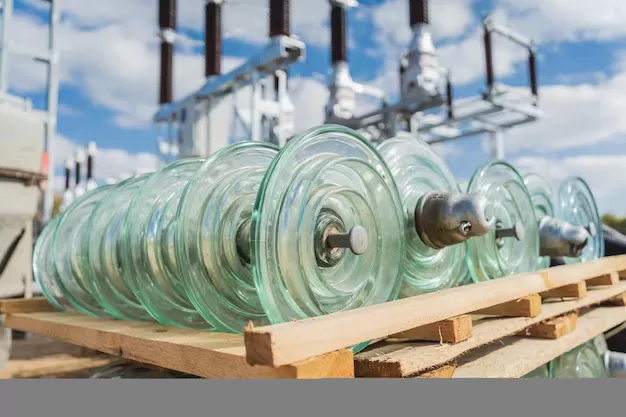
1. Tempered glass has excellent dielectric strength (10-15 kV/mm)
2. Smooth surface minimizes leakage current
3. Self-cleaning properties make them ideal for remote locations
4. Available in designs specifically for high-voltage fence applications
Composite Insulators
1. Fiberglass core with silicone rubber coating
2. Lightweight yet strong enough for tension applications
3. Excellent performance in polluted environments
4. Resistant to tracking and erosion
Installation Considerations
1. Increase insulator spacing to prevent arcing between wires
2. Use larger insulators with increased creepage distance
3. Ensure proper grounding to prevent voltage buildup
4. Consider adding lightning protection devices for outdoor systems
5.2 Electric Fence Insulators for Extreme Environments
In harsh weather conditions (extreme heat, cold, humidity, or pollution), specialized insulators are required:
Cold Climate Insulators
1. Materials that remain flexible in temperatures as low as -40°C
2. Designs that prevent ice buildup and reduce the risk of flashover
3. Reinforced construction to withstand ice loading
Hot/Humid Climate Insulators
1. UV-stabilized materials to prevent degradation from sunlight
2. Smooth surfaces that resist moisture and mold growth
3. Materials with low water absorption rates
Polluted Environments
1. Insulators with increased creepage distance (distance along the surface)
2. Self-cleaning glass or composite materials
3. Designs that minimize the accumulation of dirt and pollutants
FAQ: Common Questions About Electric Fence Insulators
Q1: What is the best material for electric fence insulators?
The best material depends on your specific needs. For most applications, UV-stabilized plastic insulators offer a good balance of cost and durability. For permanent installations or harsh environments, glass or composite insulators are better choices due to their longer lifespan and superior performance.
Q2: How many insulators do I need for my electric fence?
You need one insulator per wire per post. For example, a 5-wire fence with 100 posts requires 500 insulators. Add 10-15% extra for spares and replacements.
Q3: Is glass a conductor or insulator?
Glass is an excellent insulator, not a conductor. Its molecular structure (covalent and ionic bonds) results in very high resistivity, preventing the flow of electric current under normal operating conditions.
Q4: How do I know if my insulators are working properly?
Use a voltmeter to check the voltage at various points along your fence. Consistent voltage (within 10% variation) indicates your insulators are working well. If voltage drops significantly in certain areas, inspect those insulators for damage or contamination.
Q5: Can I reuse old insulators from a previous fence?
You can reuse insulators if they're in good condition (no cracks, chips, or signs of arcing). Inspect them carefully and clean thoroughly before reinstallation. Avoid reusing insulators that show signs of UV degradation or physical damage.
Conclusion: Investing in Quality Insulators for Long-Term Fence Performance
Electric fence insulators may seem like small components, but they're critical to the performance and reliability of your entire fencing system. By understanding the science behind what is insulator and conductor, choosing the right insulators for electric fence based on your specific needs, and following proper installation and maintenance practices, you can ensure your electric fence provides years of effective service.
Remember, the cheapest insulators aren't always the best value. Investing in quality materials like UV-stabilized plastic, glass, or composite insulators can save you money in the long run by reducing maintenance costs and extending the lifespan of your fence.
For all your electrical insulator needs, including specialized glass insulators for electric fences and power systems, contact SOLARIS ELECTRICAL today:
· Website: https://hvglass.com
· Phone: +4407516292642
· Telegram: t.me/SolarisELE/
· Email: solaris-electrical@hvglass.com
Our team of experts can help you select the perfect insulators for your application and provide technical support to ensure your project's success.