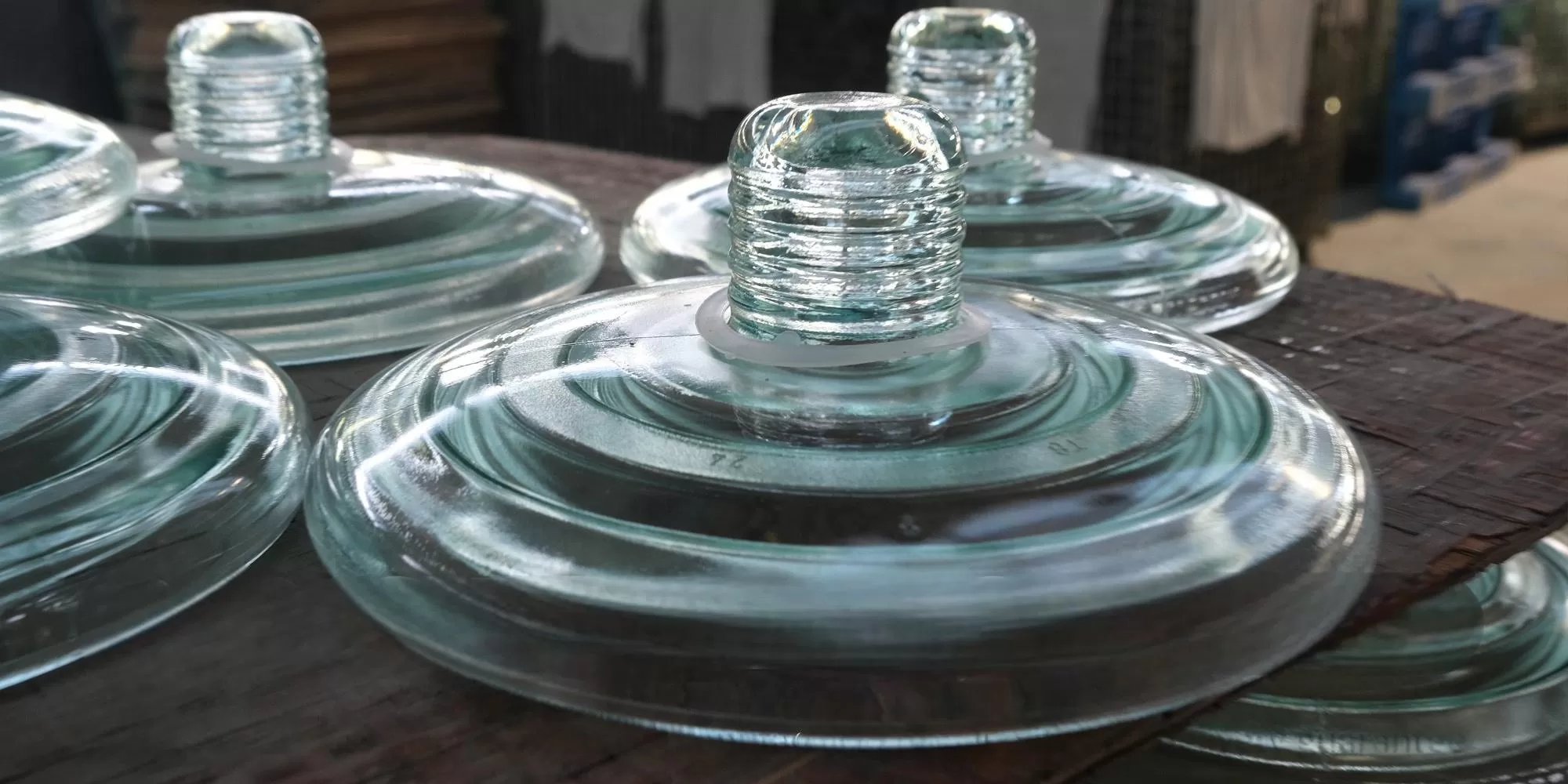
Glass Insulation: Material Advantages, Manufacturing & Quality Control
Glass Insulation: Material Advantages, Manufacturing & Quality Control
Introduction
Glass as insulation has been a cornerstone of electrical power systems for over a century, and its enduring popularity stems from its unmatched combination of material performance, durability, and cost-effectiveness. For insulators company, mastering the properties of glass insulation and implementing rigorous manufacturing and quality control processes is critical to producing high-quality glass insulators that meet the demanding needs of energy suppliers and power grids worldwide.
While many people are familiar with glass insulators in powerline applications, few understand the science behind glass as insulation, the precision manufacturing steps required to produce reliable insulators, or the strict quality control measures that ensure each unit performs as intended. This article dives deep into the material advantages of glass insulation, breaks down the manufacturing process step by step, and explains how insulators company maintain consistent quality—all while highlighting why glass remains the preferred insulation material for modern power grids.
Why Glass Stands Out as Insulation Material
Glass as insulation offers a unique set of material properties that make it superior to other insulation materials (such as ceramic, plastic, or composite) for high-voltage power grid applications. These properties are the reason top insulators company prioritize glass in their product lines and why energy suppliers rely on glass insulators for critical power transmission infrastructure.
1. Exceptional Dielectric Strength
Dielectric strength is the maximum voltage an insulator can withstand before breaking down and conducting current—and glass excels in this area. With a dielectric strength of 9–13 kV/mm, glass insulation far outperforms most ceramic insulators (typically 6–8 kV/mm) and many composite materials. This high dielectric strength allows glass insulators to be used in ultra-high-voltage (UHV) power lines (up to 1500kV), where even small insulation failures can cause catastrophic power outages.
For insulators company, this means glass can be used to create more compact insulator designs, reducing the number of units needed per powerline string and lowering overall infrastructure costs for energy suppliers.
2. Superior Mechanical Durability
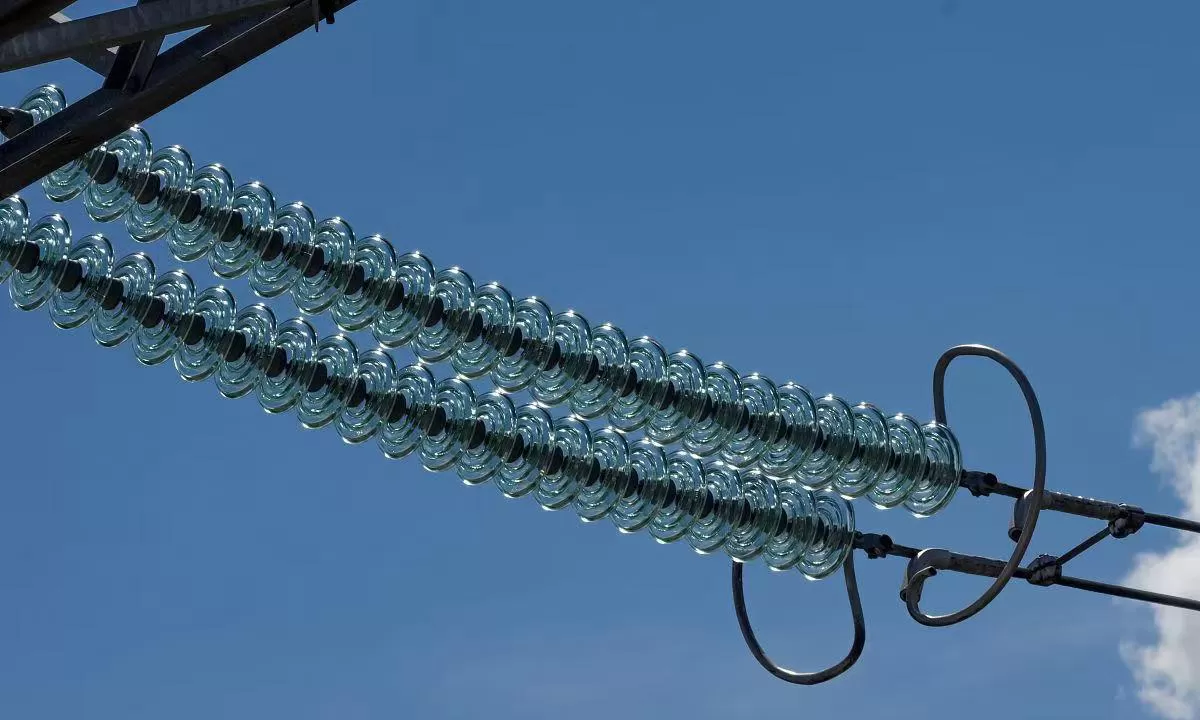
Tempered glass insulation is incredibly strong, with mechanical load capacities ranging from 40kN to 550kN—enough to support the heaviest powerline conductors and withstand extreme weather conditions. Unlike ceramic insulators, which can develop hidden cracks under stress, glass insulation fails catastrophically when damaged. This may seem like a disadvantage, but it’s actually a safety feature: broken glass insulators are easily visible during routine inspections, allowing maintenance teams to replace them before they cause failures.
Glass insulation also resists impact, vibration, and thermal shock, making it ideal for use in harsh environments—from hot deserts to cold arctic regions, and from coastal areas with salt spray to industrial zones with heavy pollution.
3. Inherent Environmental Resistance
Glass as insulation is naturally resistant to the elements, which is critical for outdoor power grid applications. It is immune to UV radiation (which degrades many plastic insulators), temperature extremes (from -40°C to 50°C), and chemical contamination (including salt, dust, and industrial pollutants). This resistance ensures consistent performance over decades, even in the harshest operating conditions.
Additionally, glass has a smooth, non-porous surface that is self-cleaning. Rainwater washes away dirt and contaminants, reducing the risk of leakage current and flashover—minimizing maintenance costs for energy suppliers and power companies.
4. Transparency for Easy Defect Detection
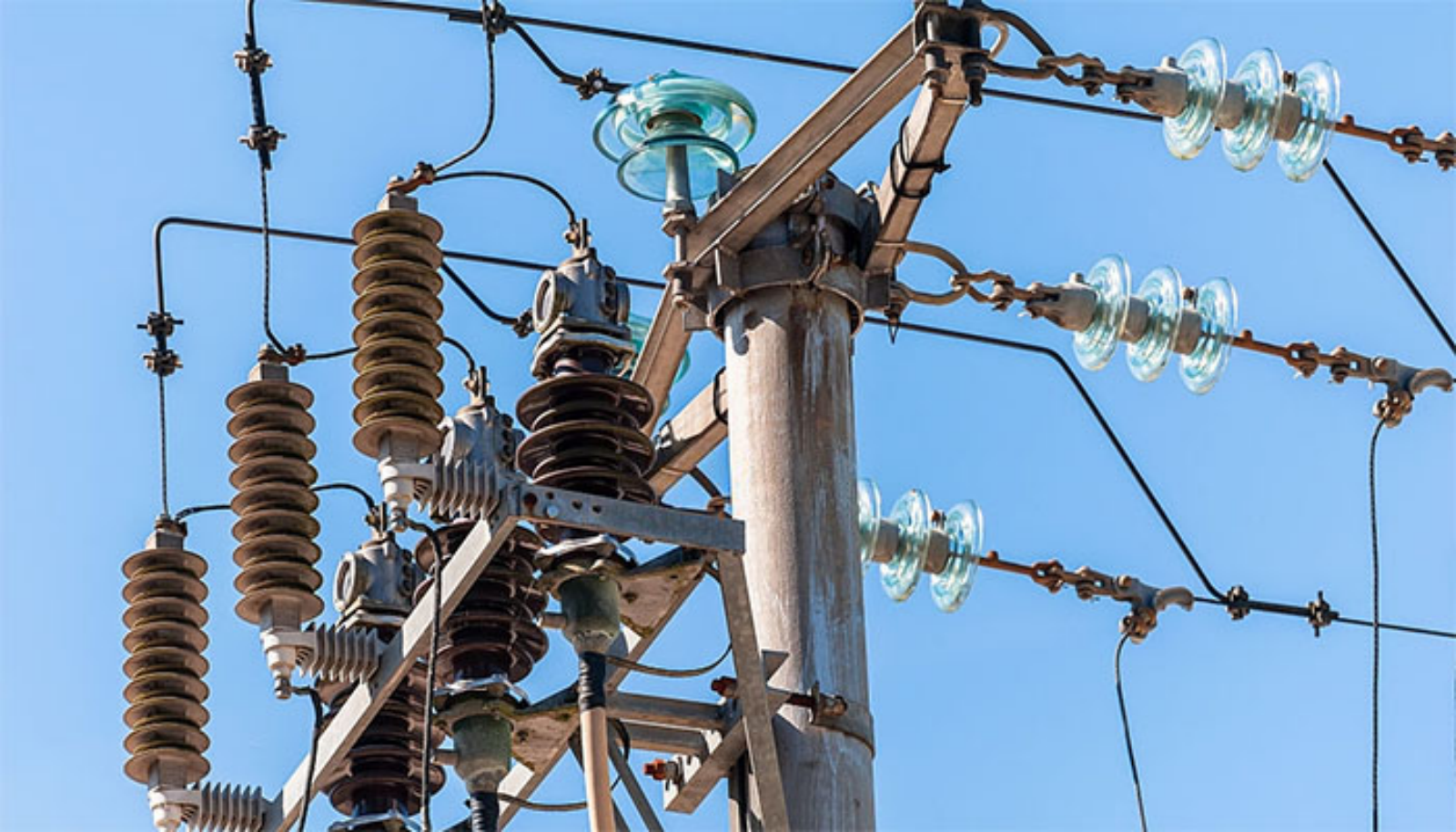
One of the most unique advantages of glass as insulation is its transparency. Unlike ceramic or composite insulators, which hide internal defects (such as cracks or air bubbles), glass insulators allow maintenance teams to visually inspect for damage from the ground. This eliminates the need for costly and time-consuming detailed inspections, making it easier to identify and replace faulty insulators before they fail.
5. Recyclability and Sustainability
Glass insulation is 100% recyclable, making it a sustainable choice for energy suppliers and insulators company focused on reducing their environmental impact. Many leading insulators company now use recycled glass in their manufacturing process, reducing energy consumption and waste while maintaining the same high performance standards.
The Manufacturing Process of Glass Insulators
Producing high-quality glass insulators requires precision, advanced technology, and strict adherence to industry standards. Insulators company follow a multi-step manufacturing process to ensure each glass insulator meets the electrical, mechanical, and environmental requirements of power grid applications. Below is a detailed breakdown of the key steps:
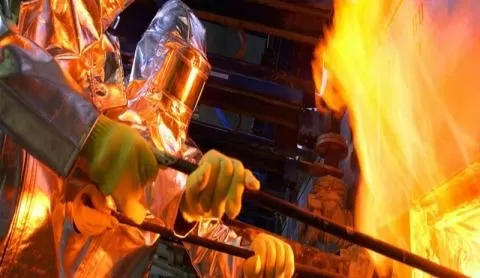
Step 1: Raw Material Selection and Preparation
The foundation of high-quality glass insulation is high-purity raw materials. Insulators company carefully select and test raw materials to ensure consistency and performance. The main components of glass insulation for insulators include:
· Soda-lime glass (the most common type, used for medium-voltage insulators)
· Borosilicate glass (used for high-voltage and UHV insulators, offering higher thermal resistance)
· Additives (such as alumina and silica) to enhance mechanical strength and dielectric performance
Raw materials are crushed, mixed, and sieved to create a uniform powder mixture. This mixture is then dried to remove moisture, which could cause defects during melting.
Step 2: Melting and Refining
The dried raw material mixture is fed into a high-temperature furnace (operating at 1500–1600°C) for melting. The furnace is typically powered by natural gas or electricity, and the melting process takes 8–12 hours to ensure complete fusion of the raw materials.
During melting, insulators company use advanced stirring and refining techniques to remove air bubbles and impurities from the glass melt. Any bubbles or contaminants would weaken the glass insulation and increase the risk of failure, so this step is critical to quality.
Step 3: Shaping (Forming)
Once the glass melt is pure and homogeneous, it is shaped into the desired insulator design. The two most common forming methods used by insulators company are:
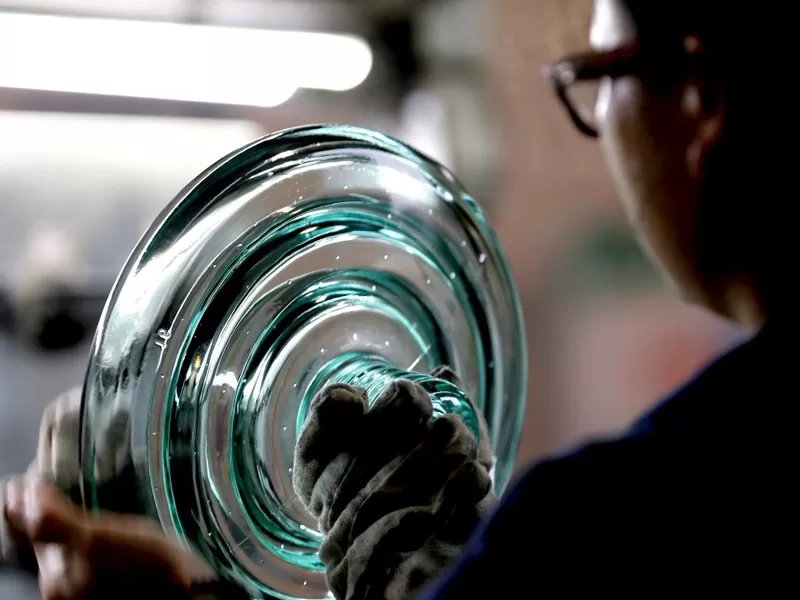
· Blow Molding: Used for suspension insulators (the most common type in power grids). The glass melt is blown into a mold to create the characteristic disc shape, with a metal pin inserted to form the connection point.
· Press Molding: Used for pin insulators and post insulators. The glass melt is pressed into a mold under high pressure to create the desired shape, ensuring precise dimensions and uniform thickness.
After forming, the glass insulators are cooled slowly to prevent thermal stress and cracks—a process called annealing. Annealing takes place in a controlled oven (annealing lehr) at 500–600°C, where the insulators are held for several hours before being gradually cooled to room temperature.
Step 4: Tempering
To enhance the mechanical strength of glass insulation, insulators company perform a tempering process. Tempering involves heating the annealed glass insulators to 600–700°C (just below the glass’s softening point) and then rapidly cooling them with forced air. This process creates compressive stress on the surface of the glass and tensile stress inside, increasing its mechanical strength by 4–5 times.
Tempered glass insulation is far more resistant to impact and mechanical stress than non-tempered glass, making it suitable for the heavy loads and harsh conditions of power grid operation.
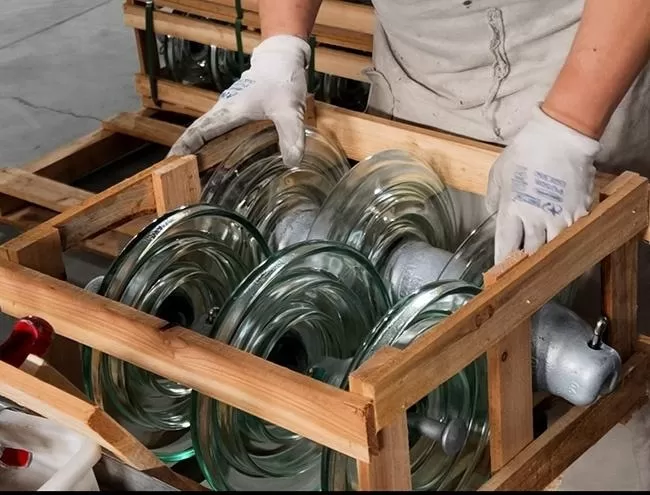
Step 5: Hardware Assembly
After tempering, the glass insulators are fitted with metal hardware (such as pins, caps, and clevises) that allows them to be connected to powerline towers and conductors. The hardware is made of corrosion-resistant materials (such as galvanized steel or aluminum) to ensure long-term durability.
Insulators company use precision tools to attach the hardware to the glass insulators, ensuring a secure fit that can withstand mechanical loads without damaging the glass.
Step 6: Final Inspection and Testing
Before leaving the factory, every glass insulator undergoes rigorous inspection and testing to ensure it meets industry standards. Insulators company perform both visual and technical tests, including:
· Visual Inspection: Checking for cracks, chips, bubbles, or other surface defects.
· Dimensional Inspection: Verifying that the insulator meets precise size and shape specifications.
· Electrical Insulation Resistance Test: Measuring the insulator’s resistance to leakage current (per IEC 60167 standards).
· Dielectric Strength Test: Testing the maximum voltage the insulator can withstand without breaking down.
· Mechanical Load Test: Ensuring the insulator can withstand the specified mechanical load without failure.
Any insulator that fails these tests is discarded, ensuring only high-quality glass insulators reach energy suppliers and power companies.
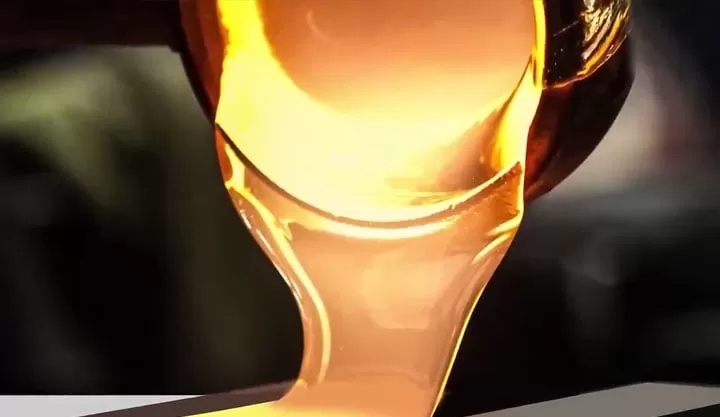
Quality Control Measures by Insulators Company
Quality control is a top priority for insulators company, as even a single faulty glass insulator can cause power outages, equipment damage, and safety hazards. To maintain consistent quality, leading insulators company implement strict quality control measures throughout the manufacturing process, from raw material selection to final testing.
1. Raw Material Quality Control
Insulators company test every batch of raw materials for purity, chemical composition, and consistency. This ensures that the glass insulation will have the desired dielectric and mechanical properties. Any raw material that fails to meet specifications is rejected.
2. In-Process Quality Control
During each step of the manufacturing process, inspectors monitor key parameters to ensure consistency. For example:
· In the melting stage, temperature and melt purity are monitored continuously.
· In the forming stage, the shape and thickness of each insulator are checked to ensure they meet design specifications.
· In the annealing and tempering stages, temperature profiles are strictly controlled to prevent defects.
3. Final Testing and Certification
As mentioned earlier, every glass insulator undergoes a series of tests before shipment. Insulators company also maintain certification to international standards (such as IEC 61109, ANSI C29.1, and ISO 9001) to demonstrate their commitment to quality. These certifications ensure that their glass insulators meet the highest performance and safety requirements.
4. Traceability System
Many insulators company implement a traceability system that tracks each glass insulator from raw material to final shipment. This allows them to quickly identify and recall any products that may have defects, ensuring the safety and reliability of power grids.
5. Continuous Improvement
Leading insulators company invest in research and development to improve their manufacturing processes and product quality. They collect data from testing and field feedback, use it to identify areas for improvement, and implement changes to enhance the performance and durability of their glass insulators.
How Glass Insulation Benefits Insulators Company and Energy Suppliers
Glass as insulation offers mutual benefits for both insulators company and the energy suppliers and power companies that use their products.
For Insulators Company
· Market Demand: Glass insulators are in high demand globally, especially as power grids expand and modernize. This creates stable revenue streams for insulators company.
· Ease of Manufacturing: While the manufacturing process requires precision, glass insulation is relatively easy to produce in large quantities, allowing insulators company to scale production efficiently.
· Brand Reputation: Producing high-quality glass insulators builds trust with energy suppliers, leading to long-term partnerships and repeat business.
For Energy Suppliers and Power Companies
· Long Lifespan: Glass insulators have a lifespan of 30–50 years, reducing the need for frequent replacement and lowering long-term costs.
· Low Maintenance: The self-cleaning and environmental resistance of glass insulation minimizes maintenance costs, saving energy suppliers time and money.
· Reliability: Glass insulators are less prone to failure than other insulation types, improving the overall reliability of power grids and reducing the risk of power outages.
· Safety: The high dielectric strength and mechanical durability of glass insulation enhance the safety of power grid operations, protecting workers and the public.
Common Challenges in Glass Insulation Manufacturing
While glass as insulation offers many advantages, insulators company face several challenges in manufacturing:
· Contamination Control: Even small impurities in raw materials or during manufacturing can weaken glass insulation, so strict contamination control is essential.
· Thermal Stress: Improper annealing or tempering can cause thermal stress, leading to cracks in the glass.
· Consistency: Maintaining consistent quality across large production batches requires precise control of manufacturing parameters.
Insulators company address these challenges by investing in advanced technology, training skilled personnel, and implementing strict quality control measures.
Conclusion
Glass as insulation remains the gold standard for high-voltage power grid applications, thanks to its exceptional dielectric strength, mechanical durability, environmental resistance, and transparency. Insulators company play a critical role in harnessing these properties through precise manufacturing processes and strict quality control measures, ensuring that glass insulators meet the demanding needs of energy suppliers and power companies worldwide.
As the global demand for reliable electricity grows and power grids expand into more challenging environments, glass insulation will continue to be a key component of modern electrical infrastructure. By understanding the material advantages of glass as insulation, the manufacturing process, and the quality control measures implemented by insulators company, energy suppliers can make informed decisions about their insulator needs and ensure the long-term reliability and safety of their power grids.
FAQ
What type of glass is used for glass insulators?
The most common types are soda-lime glass (for medium-voltage insulators) and borosilicate glass (for high-voltage/UHV insulators), with additives to enhance performance.
How long does it take to manufacture a single glass insulator?
From raw material to final product, the process takes 12–24 hours, depending on the insulator type and size.
Can glass insulators be repaired if damaged?
No, damaged glass insulators cannot be repaired—they must be replaced. Their tempered design means cracks cannot be fixed without compromising performance.
What is the maximum temperature glass insulators can withstand?
Glass insulators can operate safely in temperatures up to 50°C and down to -40°C, making them suitable for most climates.
How do insulators company ensure glass insulators are recyclable?
Glass insulators are made of pure glass (no toxic additives), and insulators company often collect and recycle broken or obsolete insulators to reuse in new products.