
Toughened Glass Insulators – Full Specifications, Model Types, and Industrial Power Grid Applications
Toughened Glass Insulators – Full Specifications, Model Types, and Industrial Power Grid Applications

1. Introduction to Industrial Electrical Glass Insulators
In modern power transmission and distribution systems, electrical insulators are indispensable overhead line equipment that isolate live conductors from grounded pylons, poles, and substation structures. Among all types ofinsulators, glass insulators (specifically toughened glass insulators) have become the mainstream choice for global power grid infrastructure upgrade, UHV power grid construction, and overhead power line projects due to their superior mechanical strength, anti-pollution performance, and fail-safe operational characteristics. Different from ceramic insulators and polymeric insulators, industrial glass insulators are engineered exclusively for high-voltage power transmission, not for thermal insulation or antique collection purposes, delivering stable electrical insulation resistance in complex outdoor environments.
The core function of glass electrical insulators is to block electric current leakage, separate live power line conductors from grounding structures, and maintain the operational stability of overhead power grid systems. As a critical component of power transmission and transformation projects, glass insulators are widely applied in 110kV, 132kV, 330kV, and UHV overhead power lines, substations, and grid optimization projects worldwide. In recent years, Kenya grid modernization initiatives including EPC 132kV substation projects, Kenya transmission substation construction, and KPLC power projects have extensively adopted standardized toughened glass insulators to improve local power grid reliability and energy supply efficiency.
This professional guide focuses on industrial-grade toughened glass insulators, elaborating their manufacturing process, core technical parameters, model classification, environmental resistance performance, and engineering application scenarios, providing reliable technical references for power EPC contractors, energy suppliers, and power grid maintenance teams.
2. Core Definition: Insulator vs Conductor in Power Systems

To fully understand the working principle of glass insulators, it is essential to clarify the professional definition of insulator vs conductor in electrical engineering. Conductors refer to materials with low resistivity that allow free flow of electric current, such as aluminum and copper used in power line conductors, guy wires, and power line fittings. In contrast, electric insulators are high-resistivity dielectric materials that restrict electron movement and prevent current leakage to the ground.
Glass is a typical non-conductive dielectric material, which is why glass as insulation is universally recognized in the power industry. Toughened glass used for electrical insulators undergoes professional high-temperature tempering treatment, forming a stable internal stress structure that greatly improves mechanical toughness and electrical insulation performance. Compared with ordinary glass, industrial toughened glass insulators maintain excellent electrical insulation resistance under high voltage, strong wind, heavy rain, and polluted atmospheric conditions, fully meeting IEC international testing standards for overhead line equipment.
electric insulators and conductors examples in power grid systems are intuitive: power line aluminum strands are conductors responsible for power transmission, while glass disc insulators installed between conductors and pylons are insulators responsible for electrical isolation. The precise matching of conductors and insulators ensures the safe and stable operation of the entire power grid.
3. Manufacturing Process & Quality Control of Toughened Glass Insulators
The performance of high-quality toughened glass suspension insulators depends entirely on standardized manufacturing process and strict quality control systems. The entire production process strictly complies with IEC 60383 and IEC 61109 international standards, covering raw material screening, high-temperature melting, pressing forming, thermal tempering, surface treatment, and finished product testing.
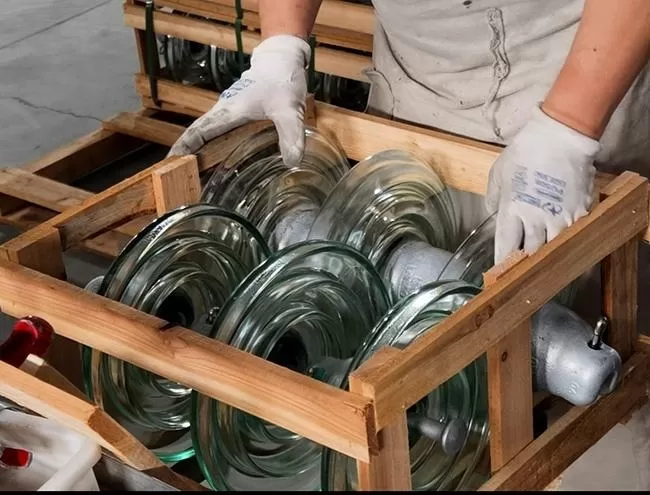
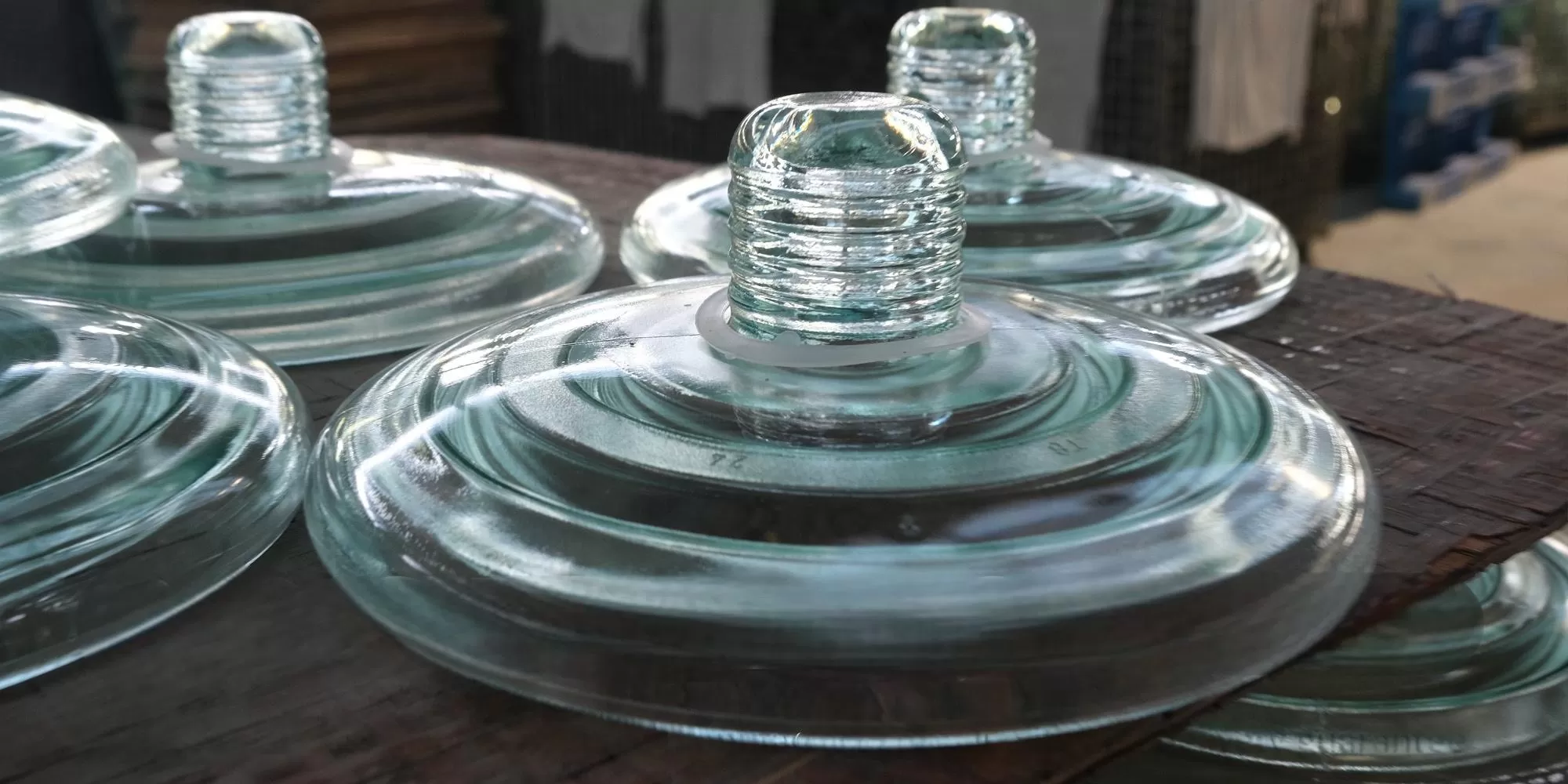
First, high-purity silica raw materials are screened to avoid impurity defects that may affect insulation performance. After high-temperature melting at 1500℃+, the glass liquid is pressed into standard disc or streamlined shed structures through precision molds. The core process is uniform thermal tempering: the formed glass blank is rapidly cooled after high-temperature heating to form uniform compressive stress on the surface and tensile stress inside, which endows the insulator with strong mechanical impact resistance and anti-breakage performance.
Subsequently, surface polishing and anti-pollution treatment are carried out to produce anti-pollution glass insulators with self-cleaning properties. The streamlined shed design effectively reduces dust, salt fog, and industrial pollutant accumulation, realizing rain-resistant and wind-resistant operational effects. Finally, all finished products undergo strict performance tests including mechanical failing load test, electrical insulation resistance test, pollution flashover test, and aging resistance test to ensure compliance with grid construction standards.
Professional insulators company strictly implements full-process quality control, eliminating defective products with insufficient mechanical strength or unqualified insulation performance, ensuring every batch of glass insulators adapts to long-term outdoor high-voltage operation.
4. Main Model Classification & Core Technical Parameters

Industrial glass insulators are classified by mechanical load, structural type, shed design, and voltage level, covering all mainstream models for global power grid construction. The core conventional parameters include 300mm disc diameter, 70kN-420kN mechanical strength, and multiple creepage distance specifications, fully adapting to different voltage grades from 110kV to UHV power lines.
4.1 Mainstream Mechanical Series Models
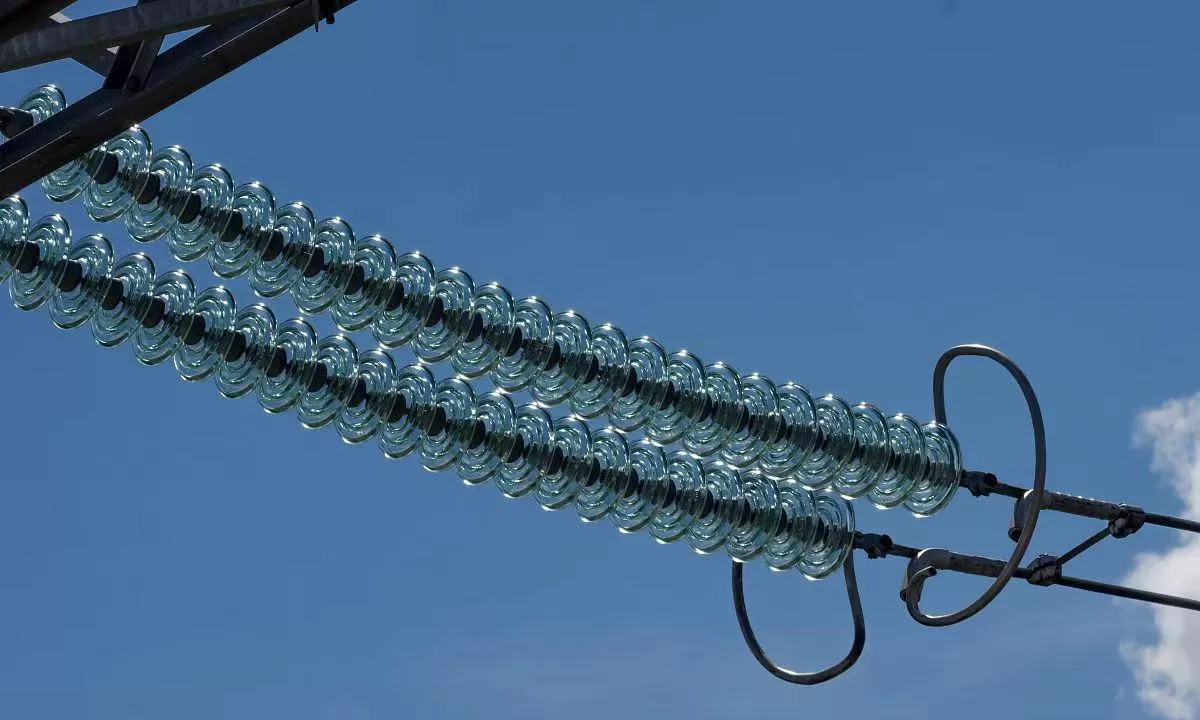
The U-series glass insulators are the most widely used overhead line equipment, including U70 120kn glass disc insulator and U420BP 420kN insulator. The U70 series is suitable for conventional 110kV-330kV overhead power lines, with a standard mechanical failing load of 70kN, stable insulation performance, and cost-effective insulator cost. The U420BP high-strength insulator is designed for UHV transmission lines and large-scale substation equipment, with a maximum bearing capacity of 420kN, adapting to extreme tension environments of long-distance power transmission.
4.2 CTV Series Specialized Insulators
CTV 254 and CTV 175 are customized anti-pollution glass insulators for high-pollution areas such as coastal salt fog zones and industrial park grid lines. Extended creepage distance design effectively improves pollution flashover resistance, solving the common insulation failure problem of traditional insulators in harsh environments.
4.3 Environmental Resistant Structural Types
Rain resistant insulator and wind resistant insulator adopt optimized streamlined shed insulator structure. The smooth curved shed design avoids rainwater accumulation and wind vortex impact, ensuring stable insulation performance in heavy rainfall and strong wind weather. Compared with ordinary flat-shed insulators, streamlined shed glass insulators reduce surface water film formation by 60%+, greatly lowering the risk of rainy flashover accidents.
5. Application Scenarios in Power Grid Engineering Projects
5.1 Kenya Grid Modernization & KPLC Power Projects
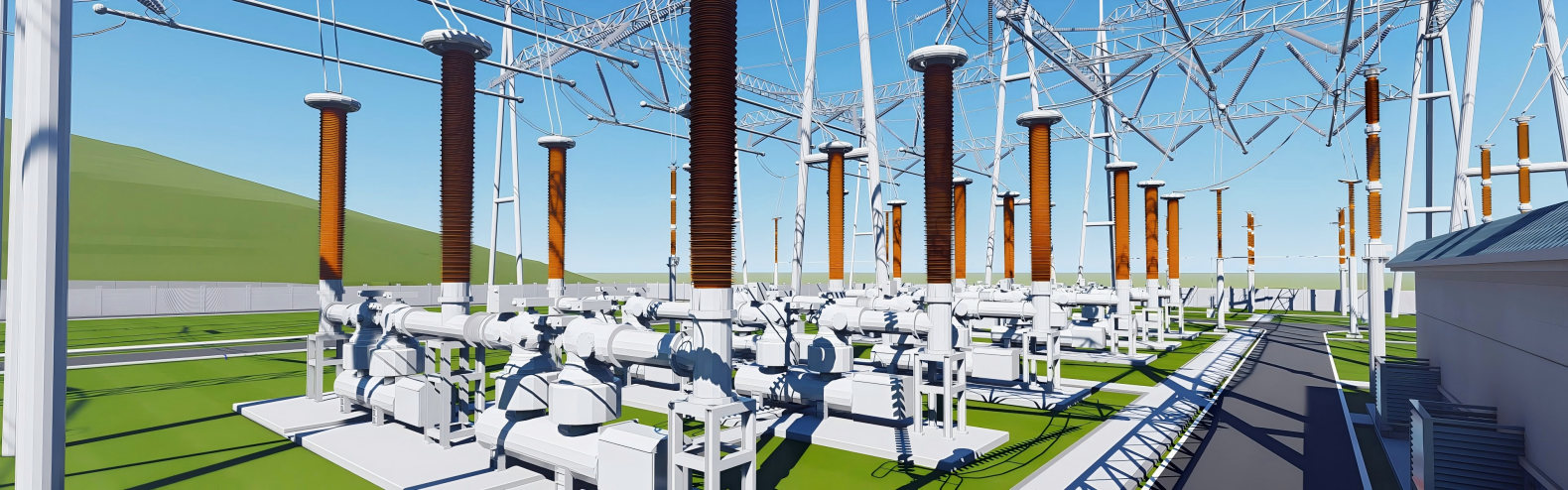
The ongoing Kenya grid modernization and KPLC power project take EPC 132kV substation and 132kV substation Kenya construction as the core, comprehensively upgrading local outdated power grid infrastructure. A large number of toughened glass suspension insulators are adopted in Kenya transmission substation and overhead power line reconstruction projects. The advantages of low maintenance cost, strong environmental adaptability, and long service life make glass insulators the preferred product for East African grid optimization projects, effectively improving the stability of local power transmission and energy supply capacity of energy suppliers.
5.2 National UHV & Conventional Grid Upgrade
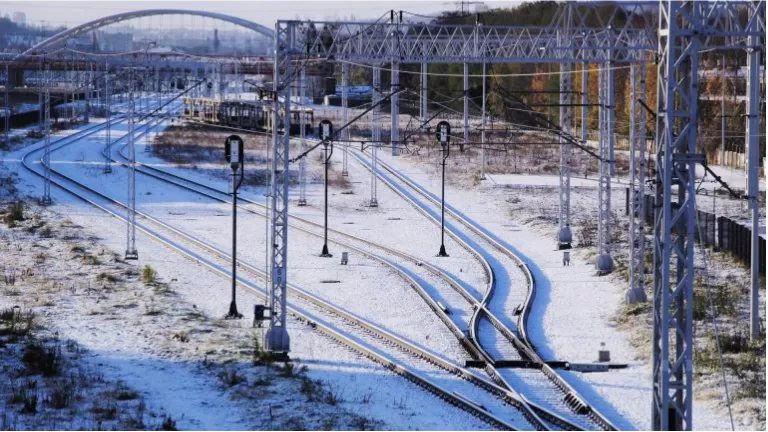
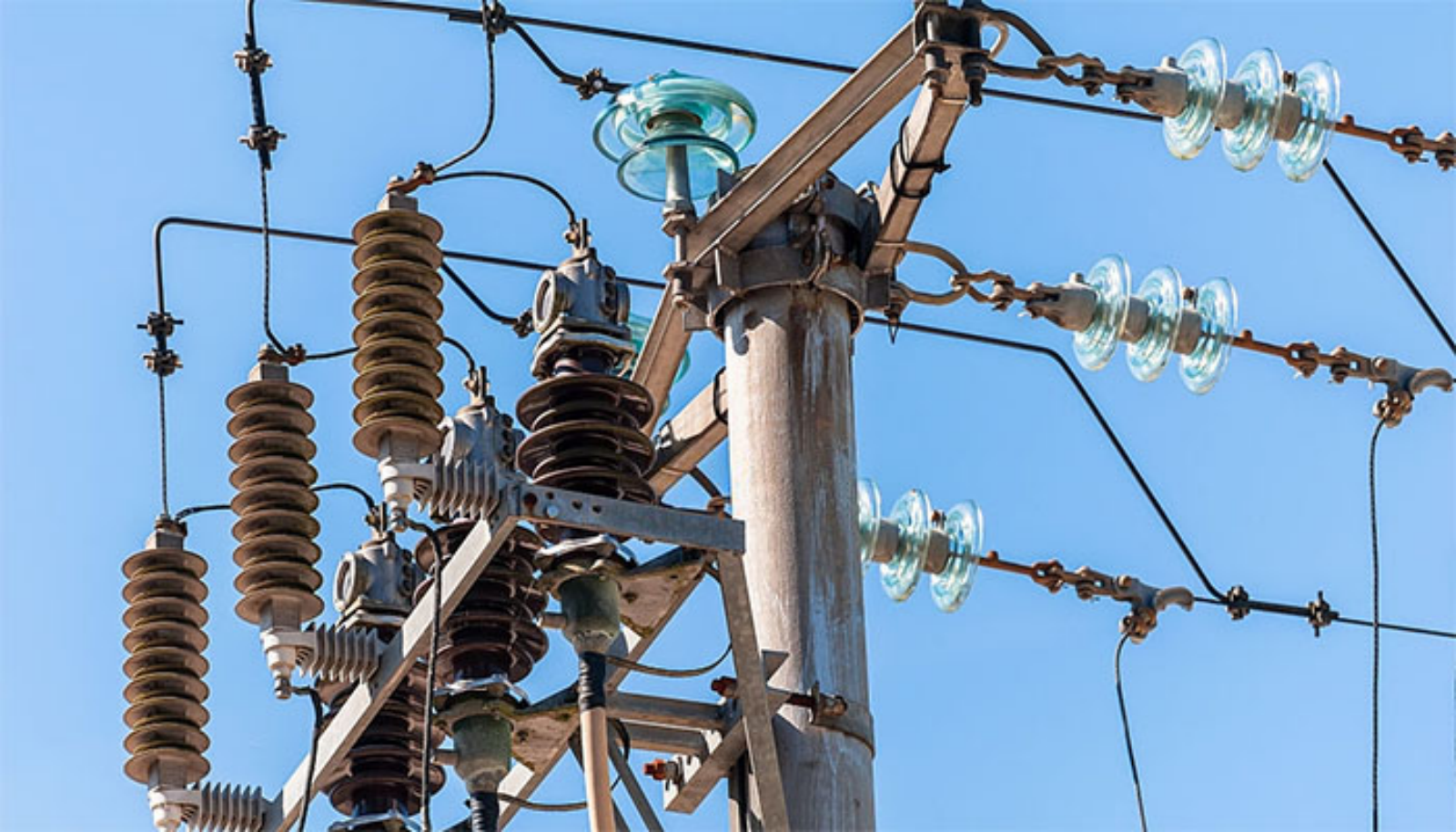
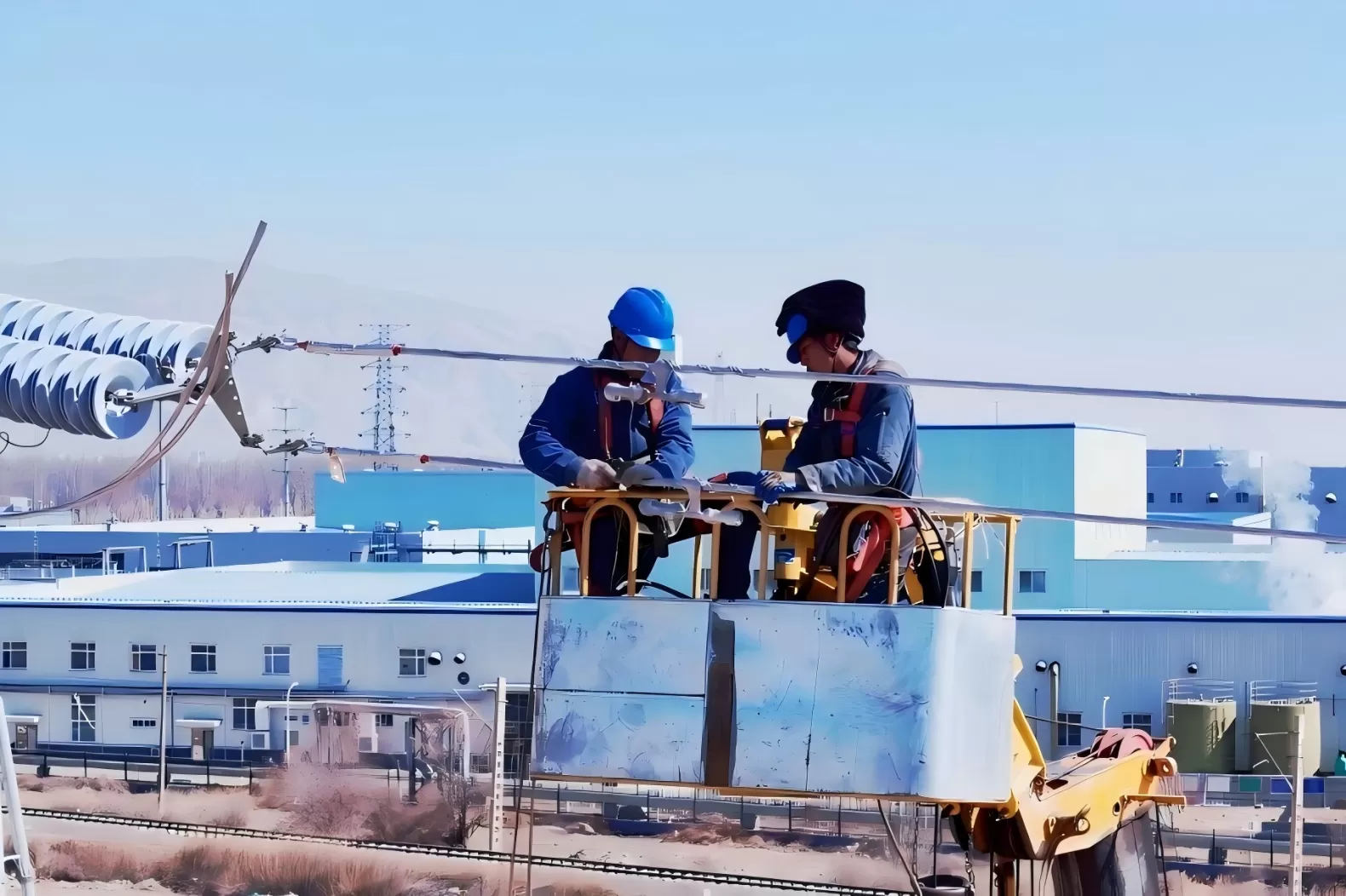
In global UHV power grid construction and power grid infrastructure upgrade projects, glass insulators cooperate with lightning arresters, power line fittings, grounding anchors, and guy wires to form a complete overhead power line system. For 110kV electrical insulators and 330kV power line insulators application scenarios, glass disc insulators match with pin type, suspension, and strain structural designs to meet different installation requirements of pylons and overhead lines.
5.3 New Energy Grid Integration Projects
With the rapid development of new energy power generation, new energy grid integration puts forward higher requirements for insulator stability. Glass insulators with anti-aging and anti-pollution performance are widely used in wind power and photovoltaic supporting transmission lines, adapting to the complex and changeable operating environment of new energy power stations, ensuring stable grid connection of clean energy power.
6. FAQ – Professional Questions About Industrial Glass Insulators
Q1: What are the core advantages of toughened glass insulators compared with ceramic insulators?
Toughened glass insulators have self-fail warning characteristics, obvious damage judgment, no hidden failure risks, better anti-pollution and self-cleaning performance, lower long-term maintenance costs, and more stable mechanical strength than ceramic insulators. They are more suitable for long-distance overhead power lines and unattended substations.
Q2: What voltage levels are U70 and U420BP glass insulators suitable for?
U70 120kn glass disc insulators are mainly used for 110kV to 330kV conventional overhead power lines and distribution substations; U420BP 420kN high-strength insulators are applicable to 500kV and above UHV transmission lines, large-span river-crossing lines, and heavy-load substation equipment.
Q3: What is the service life of industrial anti-pollution glass insulators?
Qualified toughened glass insulators have a service life of more than 40 years under normal operating conditions. The streamlined shed and anti-pollution surface treatment effectively resist weathering, dust, and salt fog erosion, greatly reducing replacement and maintenance frequency.
Q4: What testing standards do power grid glass insulators comply with?
All products strictly comply with IEC 60383, IEC 61109 international standards and national power industry standards, passing electrical insulation resistance test, mechanical load test, pollution flashover test, and aging resistance test to meet global grid construction requirements.
7. Conclusion
As core overhead line equipment, industrial toughened glass insulators occupy an irreplaceable position in power transmission and transformation, grid upgrade, and new energy grid integration projects. With diversified models such as U70, U420BP, CTV 254, and CTV 175, as well as rain-resistant, wind-resistant, and anti-pollution optimized designs, glass insulators fully adapt to conventional and UHV power grid construction in various regions and complex environments.
For high-quality industrial glass electrical insulators and professional power grid insulator matching solutions, contact SOLARIS ELECTRICAL:
Website: https://hvglass.com | Phone: +44 7516292642 | Email: solaris-electrical@hvglass.com
Our professional team provides customized insulator selection, technical consultation, and project supporting services for global power EPC projects and energy suppliers.
