What Are Electrical Insulators: Glass Insulators, Electric Fence Insulators & Insulation Solutions
What Are Electrical Insulators: A Comprehensive Guide to Insulation in Power Systems and Everyday Applications
Introduction: The Critical Role of Insulators in Electrical Safety and Functionality
In the complex web of modern electrical systems, electrical insulators stand as unsung heroes, enabling the safe and efficient transmission of electricity from power generation facilities to our homes, businesses, and industries. Without these specialized materials, the high voltages that power our world would leak uncontrollably, creating catastrophic safety hazards and rendering electrical infrastructure ineffective. This comprehensive guide will explore the fundamental principles of electrical insulation, focusing on glass insulators for power systems, insulators for electric fence applications, and insulation solutions for garages, shipping containers, and other structures. We will also clarify the critical distinction between insulators and conductors, essential knowledge for anyone working with or around electricity.

1. What is an Electrical Insulator? Definition and Core Principles
1.1 Insulators Meaning: The Basics of Electrical Resistance
An electrical insulator is a material specifically designed to resist the flow of electric current, characterized by extremely high electrical resistivity (typically >10¹² Ω·m) and a large energy band gap between valence and conduction electrons (usually >3 eV). Unlike conductors, where outer electrons are loosely bound and can move freely through the material, insulators have tightly bound electrons that remain localized around their atomic nuclei, preventing the formation of an electric current under normal operating conditions.
The term "insulator" is often used interchangeably with "dielectric," although technically dielectrics specifically refer to insulating materials used in capacitors to store electrical energy through polarization. In power system applications, insulators serve three primary functions:
1. Electrical Isolation: Separate live components from grounded structures or other live parts at different potentials
2. Mechanical Support: Provide structural support for conductors while maintaining electrical separation
3. Environmental Protection: Shield electrical components from moisture, pollution, and other environmental factors that could compromise insulation integrity
1.2 Insulators vs. Conductors: A Fundamental Comparison
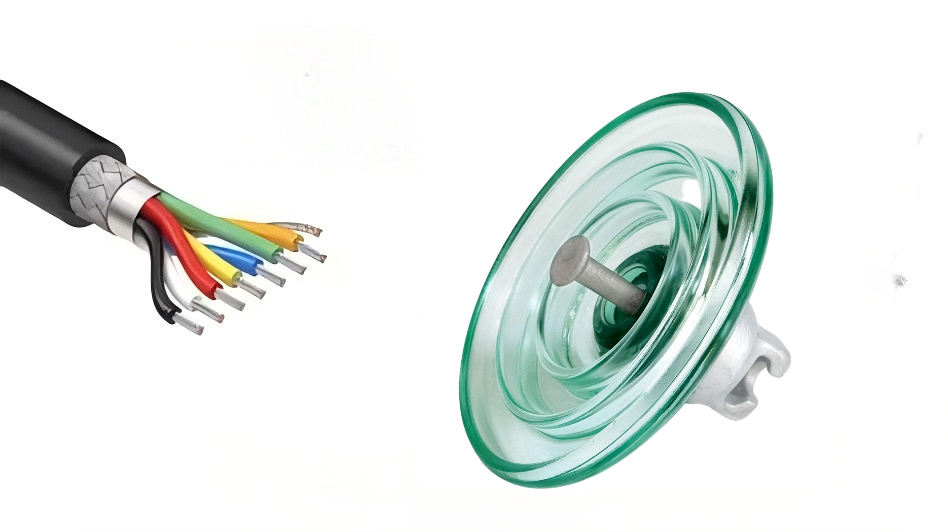
Understanding the difference between insulators and conductors is essential for grasping electrical safety and system design principles. The table below highlights key distinctions at the atomic, electrical, and practical levels:
Property | Insulators | Conductors |
Atomic Structure | Tightly bound outer electrons; large energy band gap (3-15 eV) | Loosely bound outer electrons; overlapping valence and conduction bands |
Electrical Resistivity | Extremely high (10¹²-10²⁰ Ω·m) | Very low (10⁻⁸-10⁻⁶ Ω·m) |
Conductivity (σ) | >10⁶ S/m | |
Temperature Coefficient | Negative (resistance decreases with temperature) | Positive (resistance increases with temperature) |
Table 1: Key differences between electrical insulators and conductors
1.3 Is Glass a Conductor or Insulator? The Science Behind Glass Insulation
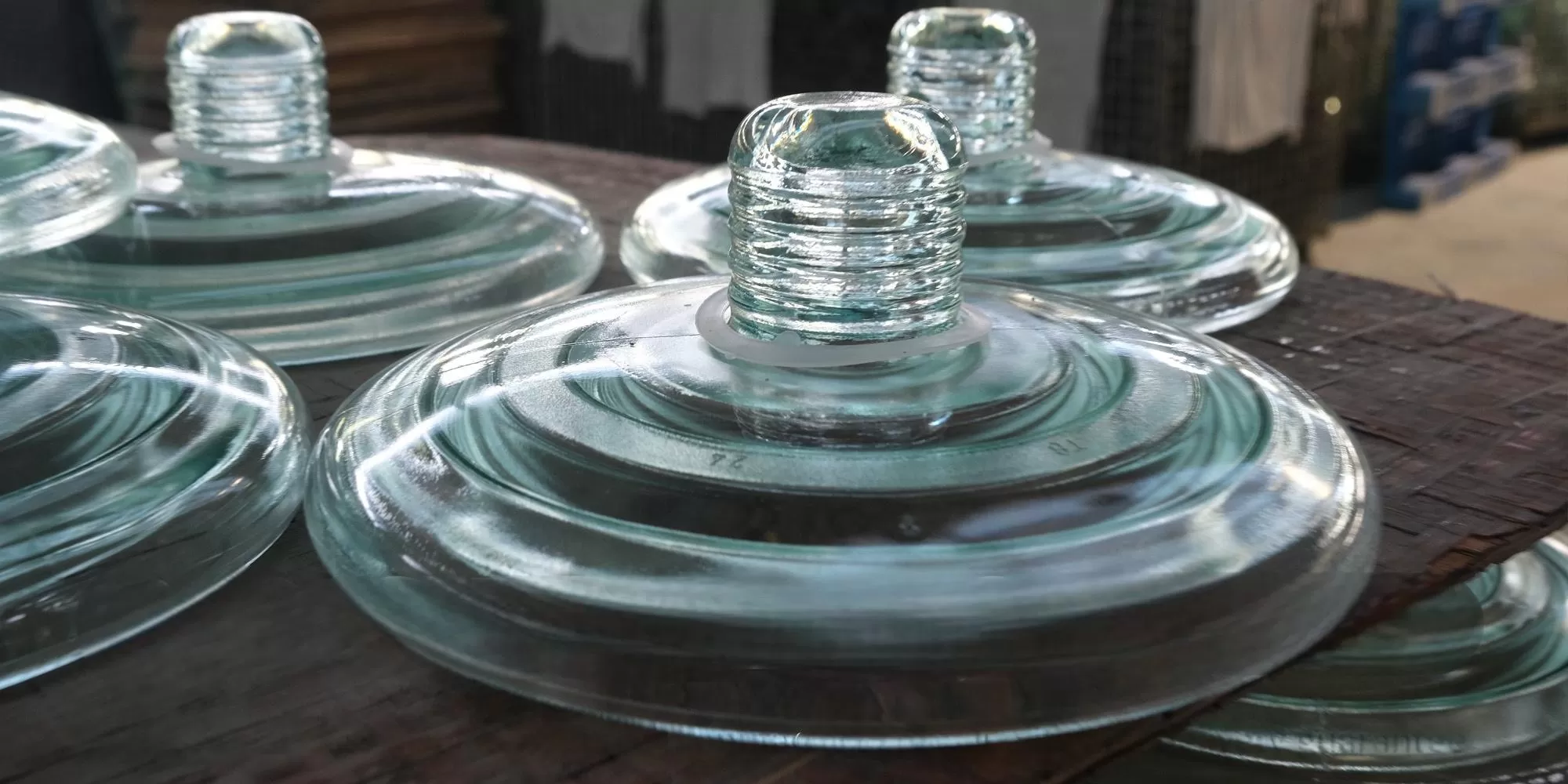
A common question in electrical engineering is, "Is glass a conductor or insulator?" The answer is clear: glass is an excellent electrical insulator when in its standard state. The atomic structure of glass (amorphous silicon dioxide) creates a rigid network where electrons are tightly bound to the silicon and oxygen atoms, preventing free movement even under significant electrical stress.
However, it's important to note that glass can become conductive under certain extreme conditions:
· Very high temperatures (approaching melting point) can break down the atomic structure, creating free charge carriers
· Exposure to ionizing radiation can create temporary conductivity
· Surface contamination with moisture or pollutants can create leakage paths across the surface
For electrical power applications, toughened glass insulators are manufactured specifically to maintain their insulating properties under the harsh conditions of overhead power lines, including temperature fluctuations, UV radiation, and pollution exposure.
2. Types of Electrical Insulators: Design and Applications
2.1 Classification by Design and Function
Electrical insulators are categorized based on their design, mechanical strength, and application requirements. The most common types include:
2.1.1 Pin Type Insulators
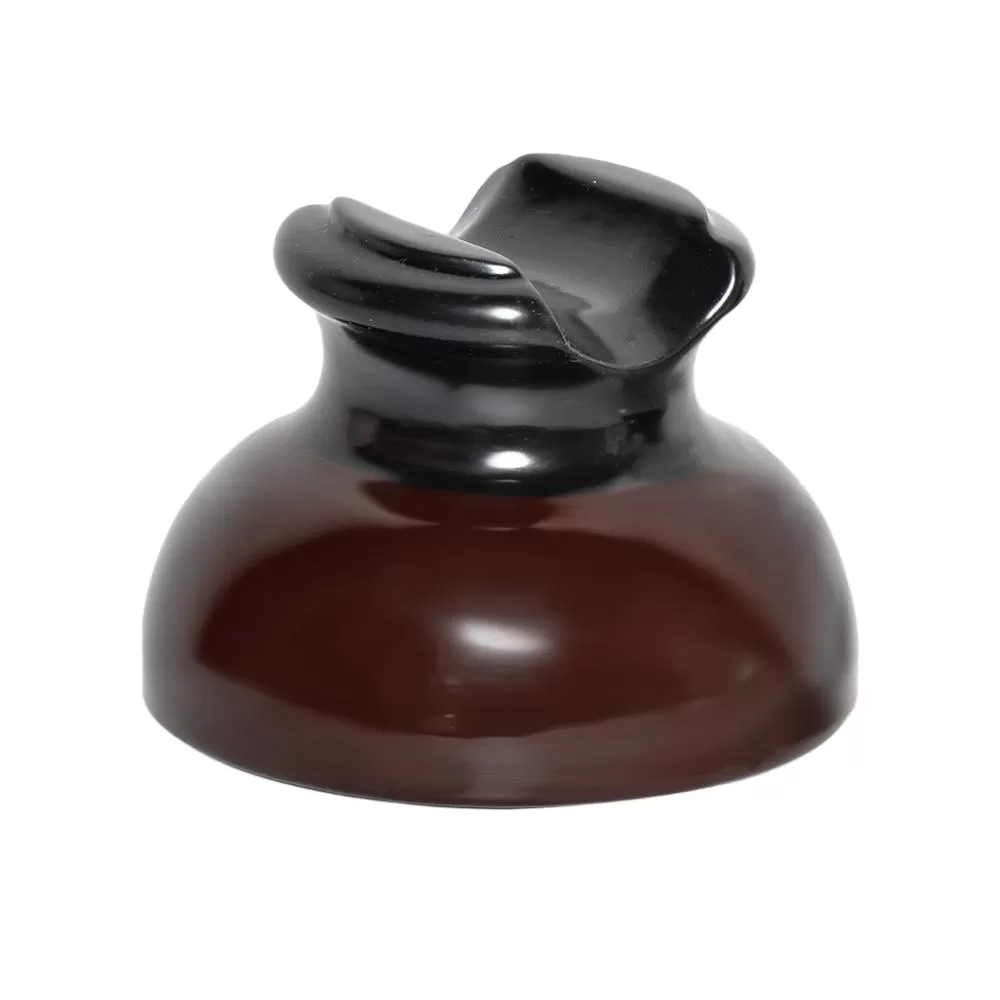
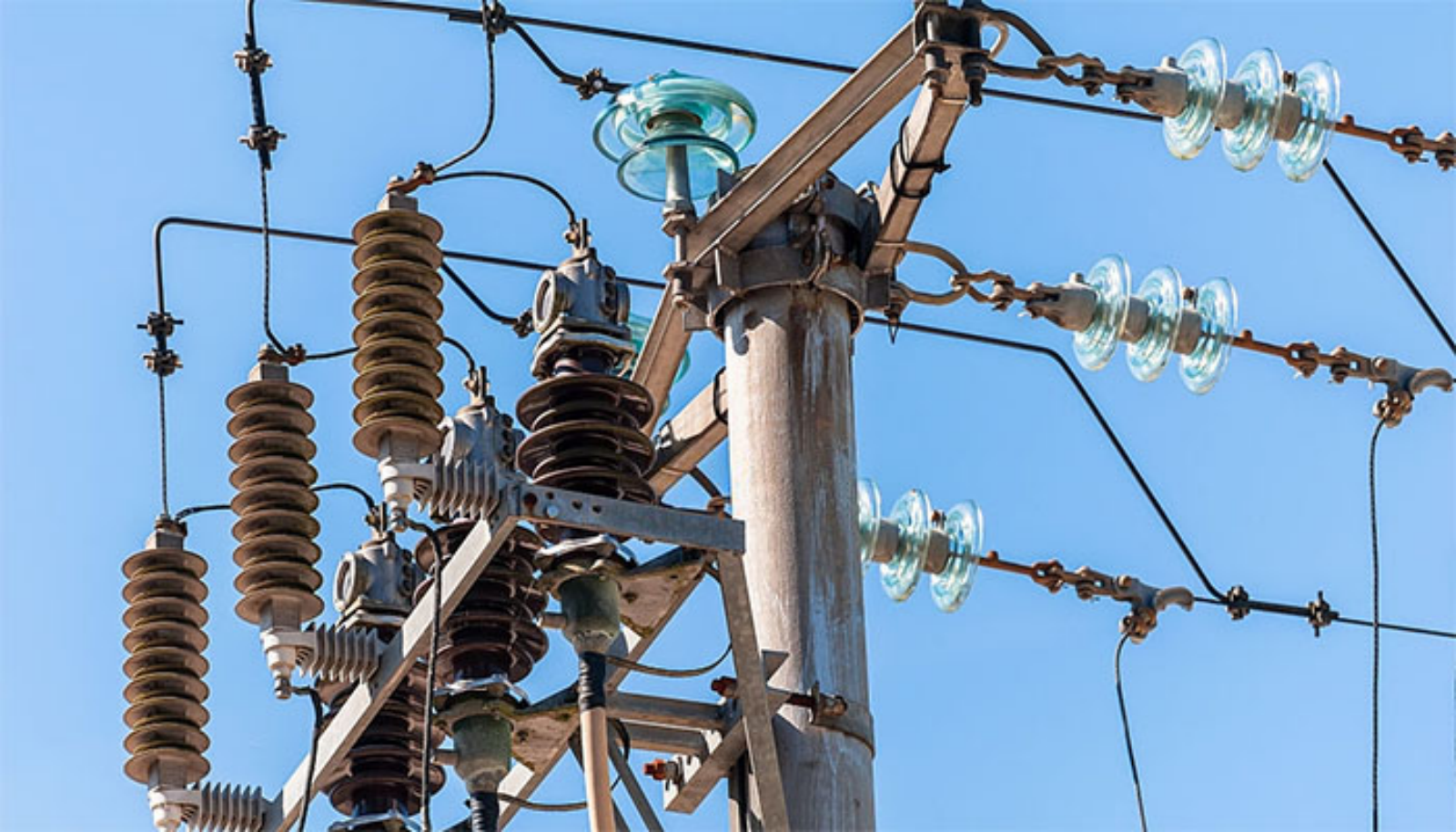
Pin type insulators are among the oldest and simplest designs, consisting of a single piece of insulating material (typically glass or ceramic) with a metal pin extending through the center. They are mounted on the cross-arms of power poles and designed to support conductors at voltages up to 33 kV.
Key characteristics:
· Used for straight line positions on distribution lines
· Provide both electrical insulation and mechanical support
· Available in single, double, or triple petal designs for different voltage levels
· Glass pin insulators offer advantages in terms of zero-value detection (self-shattering when damaged)
2.1.2 Suspension Insulators
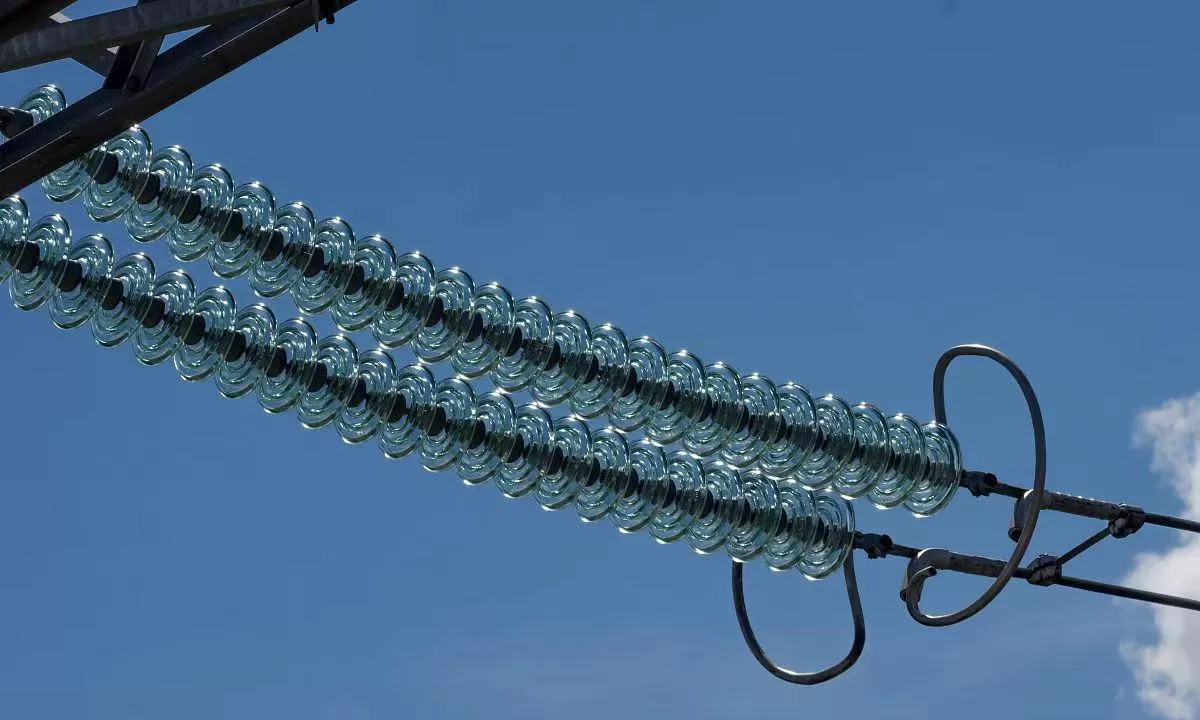
Suspension insulators consist of multiple disc-shaped units (typically 70-300 kN mechanical strength) connected in series to form an insulator string. This modular design allows for:
· Voltage rating adjustment by adding/removing discs
· Greater mechanical flexibility for longer spans
· Better performance in polluted environments
Each disc is a glass insulator or ceramic unit with a metal cap and pin for interconnection. Suspension insulators are used for transmission lines operating at 33 kV and above, including ultra-high voltage (UHV) systems.
2.1.3 Strain Insulators
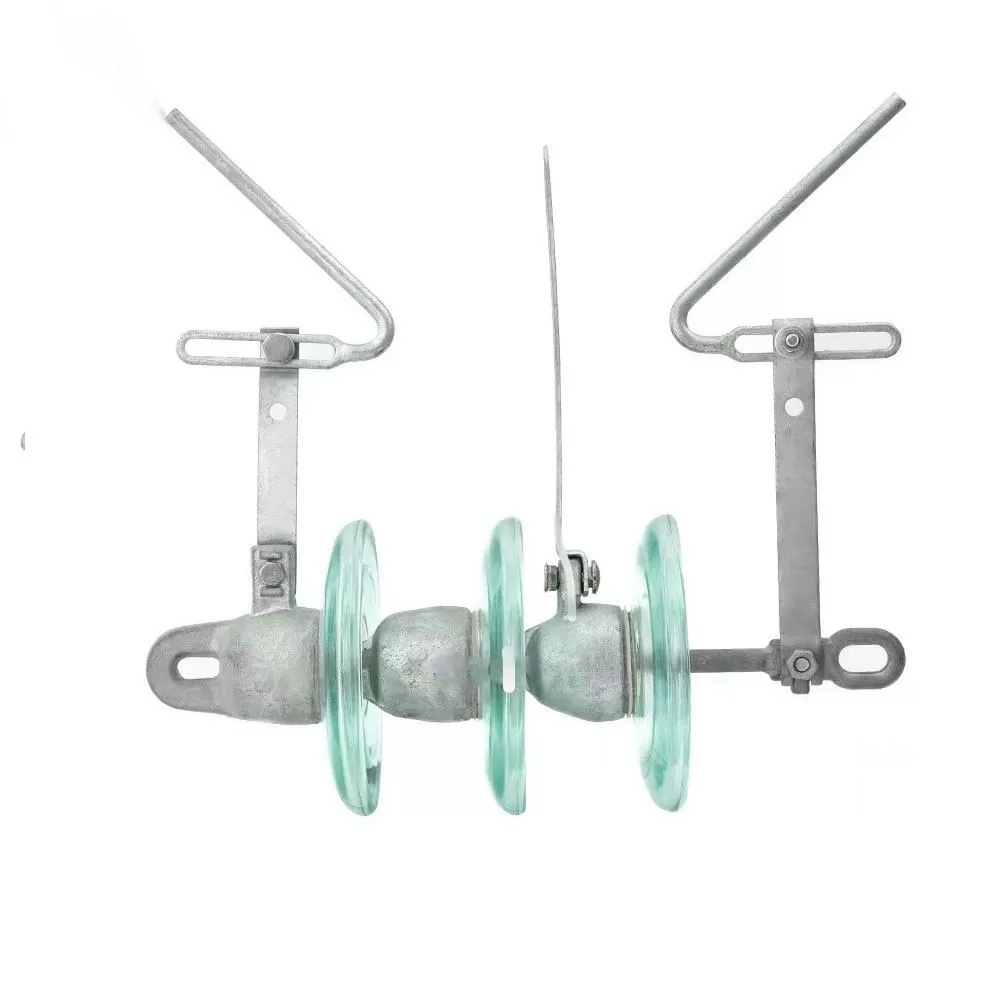
Strain insulators are designed to withstand the high mechanical tension at line ends, corners, or where lines terminate at substations. They are typically used in:
· Dead-end poles or towers
· Angled line sections
· Where conductors are pulled in tension
For low-voltage lines (
2.1.4 Shackle Insulators
Also known as spool insulators, shackle insulators are used for low-voltage distribution lines (up to 11 kV) and service connections to buildings. They are typically made of porcelain or glass and can be mounted either vertically or horizontally, providing flexibility in installation.
2.1.5 Post Insulators
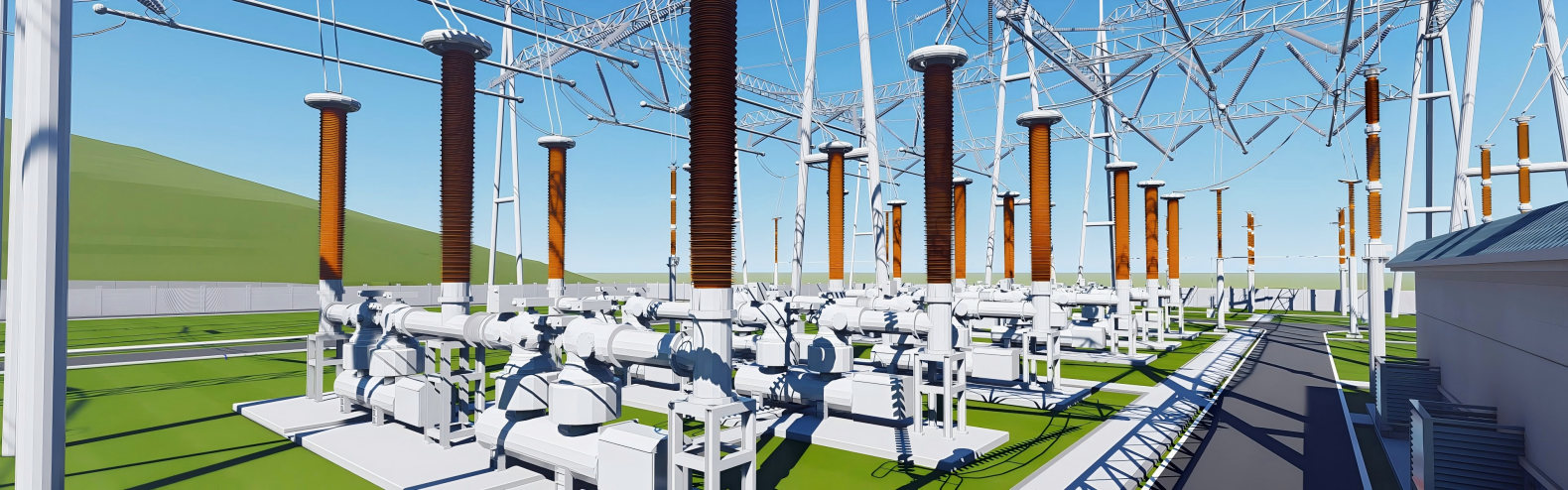
Post insulators are rigid, columnar insulators used in substations and switchyards to support busbars and other heavy equipment. They are designed for both vertical and horizontal mounting and provide high mechanical strength combined with excellent insulation properties.
2.2 Classification by Material: Glass, Ceramic, and Polymer Insulators
2.2.1 Glass Insulators: The Focus of Our Expertise
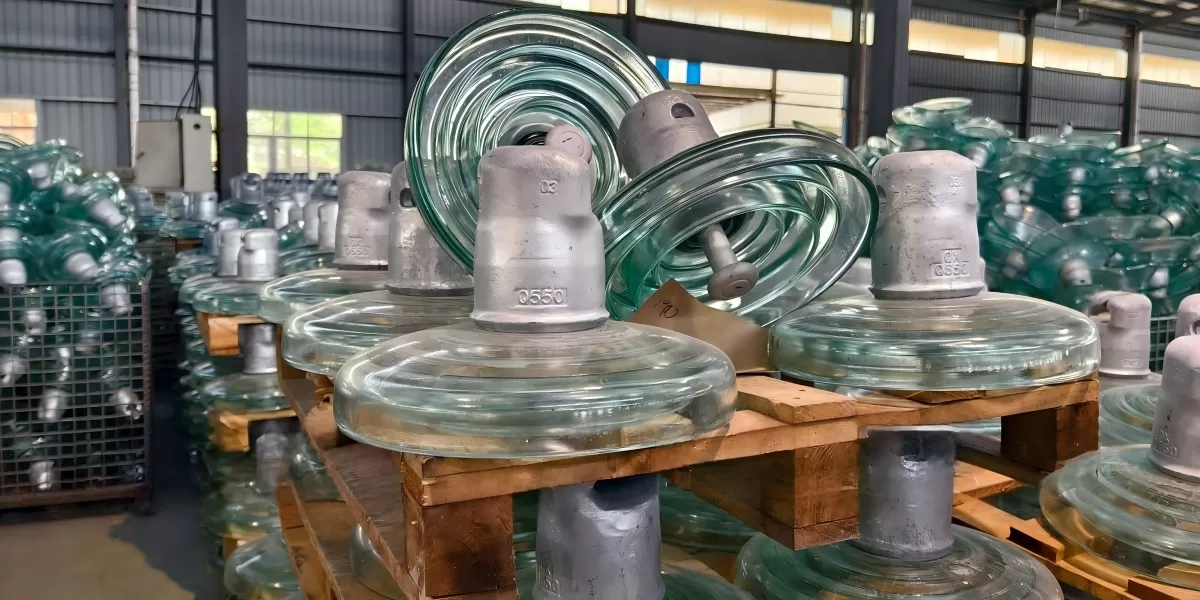
Glass insulators have been a mainstay in power transmission systems for over a century, valued for their unique combination of properties:
1. Zero-value self-breaking: Toughened glass insulators shatter into small pieces when they develop a "zero-value" (loss of insulation capability), making failed units easily detectable during line inspections
2. High mechanical strength: Tempered glass provides excellent resistance to conductor tension, wind loads, and ice accumulation over long spans
3. Superior electrical performance: Glass has high dielectric strength (10-14 kV/mm) and low dielectric loss, maintaining insulation integrity even under high voltage stress
4. Resistance to environmental factors: Glass is inert to most chemicals, resistant to UV radiation, and has good self-cleaning properties due to its smooth surface
5. Modern toughened glass insulators are manufactured using a controlled heating and cooling process that creates surface compression and core tension, significantly enhancing their mechanical strength and impact resistance. They are specified according to IEC 60383 and IEC 62217 standards, with mechanical failing loads ranging from 70 kN to 300 kN for suspension applications.
2.2.2 Ceramic (Porcelain) Insulators
Ceramic insulators (often called porcelain insulators) are made from fired clay or ceramic materials, glazed to improve surface performance. They offer:
· Good mechanical strength and thermal stability
· Excellent resistance to pollution and wet conditions when properly designed
· Lower cost compared to glass for some applications
However, ceramic insulators lack the zero-value self-breaking feature of glass, making failure detection more difficult, and they are generally heavier than equivalent glass or polymer insulators.
2.2.3 Polymeric Insulators
Polymeric insulators (also known as composite or polymer insulators) consist of a fiberglass-reinforced epoxy rod core covered with a weather-resistant polymer housing (typically silicone rubber). Key advantages:
· Lightweight (40-60% lighter than glass or ceramic)
· Excellent pollution performance due to hydrophobic surface properties
· Resistance to vandalism and impact damage
· Lower installation and maintenance costs
Polymeric insulators are increasingly used in distribution systems and some transmission applications, though they lack the long-term track record of glass and ceramic insulators in extreme environments.
2.3 Insulators for Special Applications
2.3.1 Insulators for Electric Fence Systems
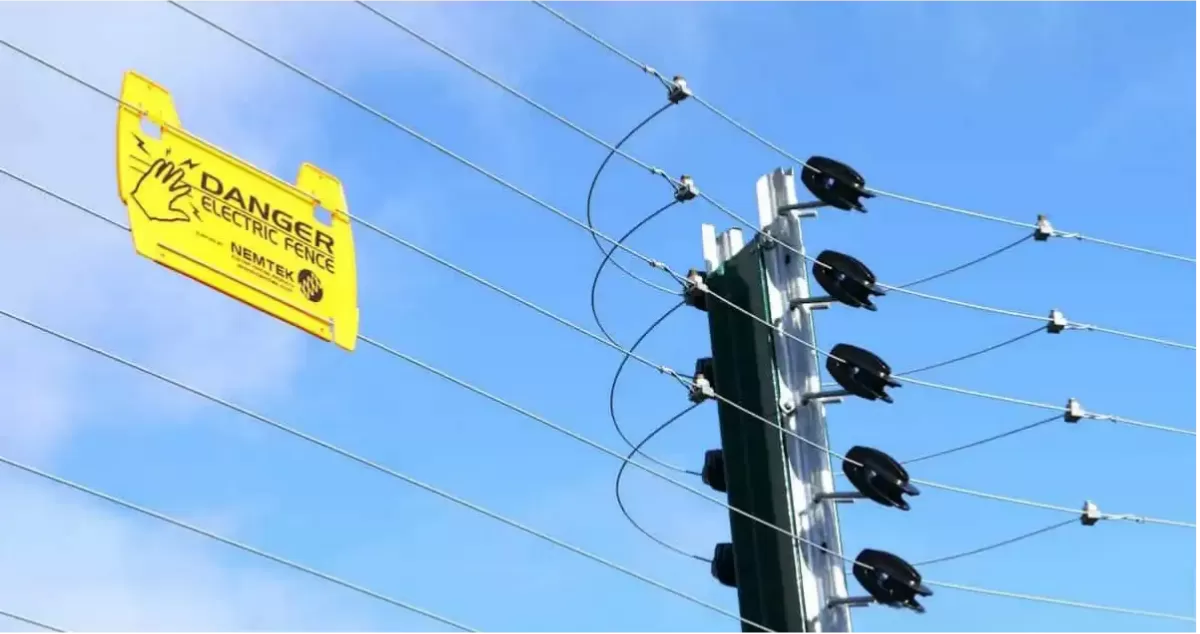
Insulators for electric fence applications are specialized components designed to isolate electrified fence wires from grounded posts, ensuring the electrical charge remains on the fence line to deter animals. Key considerations for electric fence insulators:
Application Factor | Requirements | Recommended Materials |
Voltage Level | Typically 2,000-10,000 V (pulse) | UV-stabilized polymer, glass-reinforced plastic |
Environmental Exposure | Outdoor installation, weather resistance | Polyethylene, polypropylene, glass |
Mechanical Strength | Resistance to animal impact, tension from fence wire | Reinforced polymers, tempered glass |
Cost Considerations | Often large quantities required | Economical polymers, standard glass |
Installation Ease | Quick attachment to various post types | Snap-on designs, screw-on fittings |
Table 2: Electric fence insulator requirements by application factor
Common types of electric fence insulators include:
· Post insulators: For wooden, metal, or concrete fence posts
· Corner insulators: For high-tension corner posts
· Line insulators: For straight fence sections
· Roller insulators: For gates and movable fence sections
· Tension insulators: For end posts and steep terrain
2.3.2 Insulators for Overhead Line Equipment
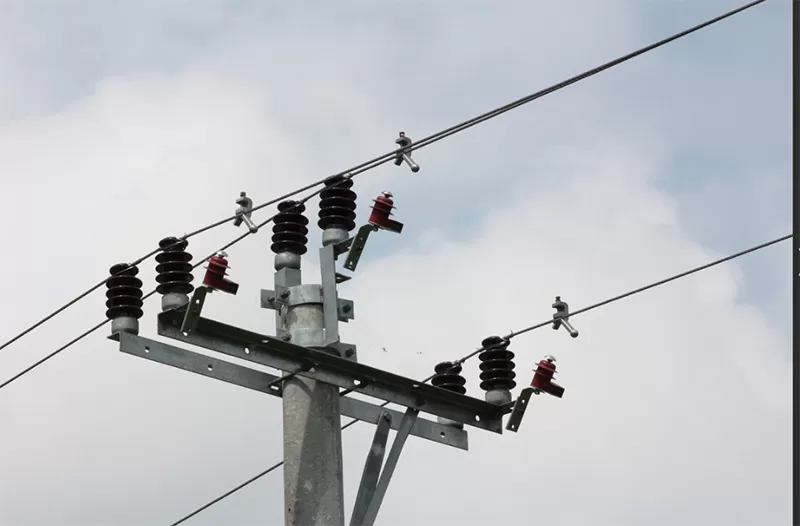
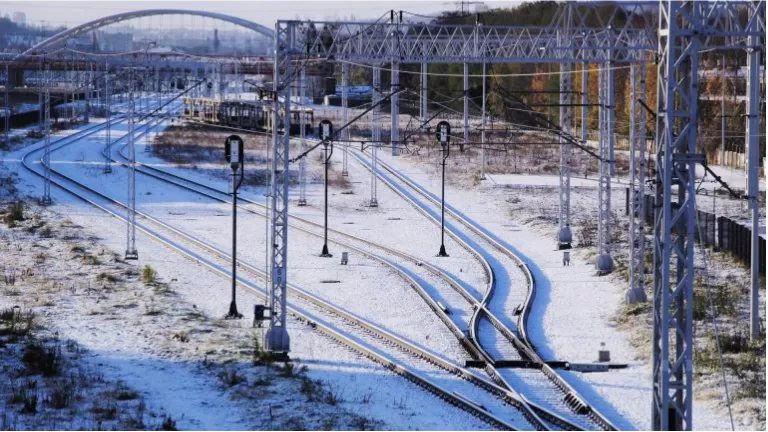
Overhead line equipment (OLE) insulators are designed for railway electrification systems, where they must withstand both electrical stress and mechanical loads from catenary wires. These insulators are typically made of glass or ceramic and must meet stringent railway standards for:
· High mechanical strength (to support contact wires and pantograph forces)
· Resistance to pollution from train exhaust and industrial areas
· Long service life (20+ years) with minimal maintenance
3. Glass Insulators: Technical Specifications and Performance Advantages
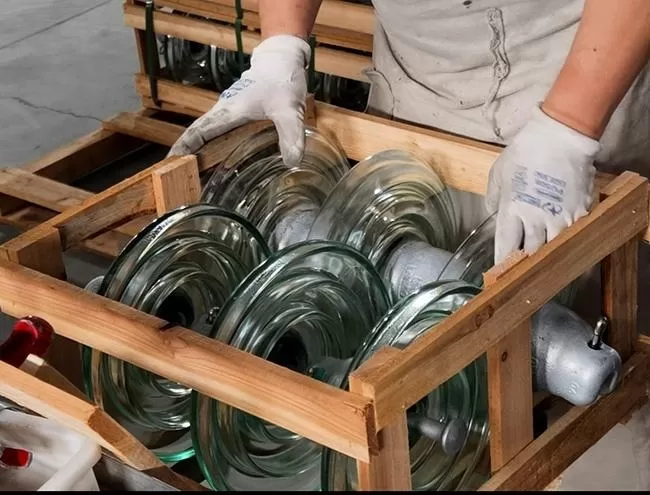
3.1 Manufacturing Process of Toughened Glass Insulators
1. The production of electrical glass insulators involves a precise, multi-stage process to ensure consistent quality and performance:
2. Raw Material Preparation: High-purity silica sand, soda ash, limestone, and other additives are mixed to create a glass batch with specific electrical and mechanical properties
3. Melting: The batch is melted in a furnace at temperatures exceeding 1,500°C to form a homogeneous glass melt
4. Forming: The molten glass is pressed and blown into the desired insulator shape using precision molds
5. Annealing: The formed insulator is slowly cooled to relieve internal stresses, preventing spontaneous cracking
6. Toughening: The insulator undergoes a controlled heating and quenching process to create surface compression and core tension, significantly increasing mechanical strength and impact resistance
7. Fitting Assembly: Metal caps and pins (hot-dip galvanized steel) are attached using a strong adhesive, creating the final insulator unit
8. Quality Testing: Each insulator undergoes rigorous testing, including:
o Mechanical failing load test
o Electrical withstand test (power frequency and impulse voltage)
o Thermal shock test
o Porosity test (to ensure no internal defects)
3.2 Technical Parameters of Glass Insulators
Modern glass insulators for power transmission systems are specified according to international standards (IEC 60383, IEC 62217) with the following key parameters:
Parameter | Typical Range | Description |
Mechanical Failing Load (MFL) | 70 kN to 300 kN | Minimum load at which the insulator will fail mechanically |
Nominal Diameter | 250 mm to 320 mm | Outside diameter of the insulator disc |
Structural Height | 140 mm to 195 mm | Height of the insulator unit |
Nominal Leakage Distance | 300 mm to 550 mm | Distance along the insulator surface between electrodes (critical for pollution performance) |
Dielectric Strength | 10-14 kV/mm | Maximum electric field the glass can withstand without breakdown |
Thermal Class | -40°C to +80°C | Operating temperature range |
Pollution Performance | Light, Medium, Heavy, Severe | Classification based on IEC 60815 for pollution withstand capability |
Table 3: Technical parameters of standard glass insulators
3.3 Why Glass Insulators Are Preferred in Modern Power Grids
1. Despite the availability of ceramic and polymer alternatives, glass insulators continue to be the preferred choice for many power grid applications, particularly in high-voltage transmission systems, due to several unique advantages:
2. Zero-Value Self-Detection: The most significant advantage of toughened glass insulators is their ability to shatter into small pieces when they develop a "zero-value" condition (complete loss of insulation resistance). This allows line crews to easily identify and replace failed units during routine inspections, improving system reliability and safety.
3. Long Service Life: High-quality glass insulators have a service life of 30-50 years, significantly longer than many polymer alternatives. Their resistance to UV radiation, temperature fluctuations, and chemical degradation ensures consistent performance over decades.
4. Superior Pollution Performance: Glass insulators with appropriate leakage distance designs perform exceptionally well in polluted environments, including coastal areas (salt pollution), industrial zones (chemical pollution), and desert regions (dust pollution). Their smooth surface promotes self-cleaning during rain events.
5. Cost-Effectiveness: While the initial cost of glass insulators may be higher than some polymer alternatives, their long service life and low maintenance requirements result in lower total cost of ownership over the asset lifecycle.
6. Proven Reliability: Glass insulators have a century-long track record of reliable performance in the most demanding environments worldwide, from the Arctic to tropical regions and from desert to coastal areas.
3.4 Vintage Glass Electrical Insulators vs. Modern Power Insulators
It's important to distinguish between vintage glass electrical insulators (collected as antiques) and modern electrical glass insulators used in power systems. While vintage insulators were often made of non-toughened glass and lacked the precise manufacturing standards of today, modern power insulators are:
· Made of high-purity, toughened glass
· Manufactured to exacting IEC standards
· Designed for specific voltage and mechanical load requirements
· Equipped with corrosion-resistant metal fittings
· Tested to ensure consistent performance and safety
4. Insulation Solutions for Non-Power Applications
4.1 Insulating the Garage: Electrical and Thermal Considerations
Insulating the garage is a common home improvement project that involves both electrical and thermal insulation considerations. Proper insulation enhances energy efficiency, protects stored items from temperature extremes, and creates a more comfortable workspace.
4.1.1 Electrical Insulation for Garage Wiring
Garage electrical systems require specific insulation solutions to ensure safety:
· Wire insulation: Use THHN/THWN-2 rated wires with PVC insulation for general wiring; for wet locations (near sinks or water sources), use wires with additional moisture resistance
· Conduit insulation: Use PVC or fiberglass conduit to protect wires from physical damage and provide additional insulation
· Junction boxes: All connections must be made in insulated junction boxes with proper covers to prevent accidental contact with live wires
· GFCI protection: Install ground-fault circuit interrupters for all outlets near water sources or where electrical tools may be used outdoors
4.1.2 Thermal Insulation for Garage Comfort and Efficiency
Thermal insulation in garages focuses on reducing heat transfer through walls, ceilings, and doors:
Insulation Type | R-Value per Inch | Installation Method | Best For | Cost (per sq ft) |
Fiberglass Batts | R-3.2 to R-3.8 | Between studs/joists, secured with staples | Standard garage walls/ceilings | $0.50-$1.20 |
Rigid Foam Boards (XPS) | R-5.0 to R-5.5 | Cut to fit, glued or mechanically fastened | Unheated garages, exterior insulation | $1.00-$2.00 |
Spray Foam (Closed-Cell) | R-6.0 to R-6.5 | Professional installation with spray equipment | Sealing gaps, unvented garages | $2.00-$3.50 |
Cellulose Insulation | R-3.2 to R-3.8 | Blown into wall cavities/attic | Existing wall insulation, soundproofing | $0.80-$1.50 |
Table 4: Garage insulation options comparison
Key considerations for garage insulation:
· Vapor barrier: Install a vapor barrier on the warm side of insulation to prevent condensation
· Air sealing: Seal all gaps around windows, doors, and electrical penetrations before installing insulation
· Fire safety: Use fire-rated insulation near electrical panels and ensure proper clearance around light fixtures
4.2 Insulating a Shipping Container: Challenges and Solutions
Insulating a shipping container presents unique challenges due to its metal construction, which conducts heat rapidly and is prone to condensation. Proper insulation is essential for converting containers into habitable spaces, offices, workshops, or storage facilities for temperature-sensitive goods.
4.2.1 Why Insulate a Shipping Container?
Shipping containers (typically made of corrugated steel) have several insulation challenges:
· High thermal conductivity of steel (50+ times greater than wood)
· Corrugated surface creates air gaps that reduce insulation effectiveness
· Temperature fluctuations can cause condensation between insulation and steel walls
· Limited interior space that can be reduced by thick insulation materials
4.2.2 Effective Shipping Container Insulation Methods
The most effective insulation solutions for shipping containers address both thermal performance and moisture control:
1. Closed-Cell Spray Foam Insulation
o Expands to fill corrugations completely, creating an airtight seal
o Highest R-value per inch (R-6.0 to R-6.5)
o Acts as both insulation and vapor barrier
o Best for permanent installations, offices, or homes
o Cost: $2.50-$3.50 per sq ft (DIY kits available for $600 for 200 board ft)
2. Rigid Foam Board Insulation
o Lightweight, easy to cut and install
o Available in EPS (R-4.0), XPS (R-5.0), and Polyiso (R-6.0) varieties
o Some manufacturers produce panels specifically shaped for container corrugations
o Requires additional vapor barrier and air sealing
o Cost: $1.00-$2.00 per sq ft
3. Fiberglass or Mineral Wool Batts
o Cost-effective option (around $2.50 per sq ft for 3.5" batts)
o Good soundproofing and fire resistance
o Must be combined with a vapor barrier and air sealing
o Not recommended for direct application to steel without additional moisture protection
o Best for budget builds and temporary installations
4.2.3 Step-by-Step Shipping Container Insulation Process
1. Prepare the Container: Clean interior surfaces, repair any rust or damage, and seal all exterior gaps
2. Install Vapor Barrier: Apply a polyethylene vapor barrier to the interior walls (critical for preventing condensation)
3. Choose Insulation Method: Select the best insulation type based on budget, climate, and intended use
4. Install Insulation:
o For spray foam: Apply in 2" layers to walls and 3" layers to ceiling
o For rigid foam: Cut panels to fit corrugations, attach with adhesive or mechanical fasteners
o For batts: Install between furring strips attached to container walls
5. Add Interior Finish: Install drywall, plywood, or other finishing material over insulation
6. Seal All Penetrations: Ensure electrical outlets, lighting fixtures, and vents are properly sealed to maintain insulation effectiveness
4.3 Insulating Other Structures: Pole Barns and Metal Sheds
Insulating a pole barn or metal shed follows similar principles to garage and container insulation but with specific considerations for large, open spaces and metal roofing/walls.
Key recommendations:
· Roof insulation: Use reflective insulation or spray foam to prevent heat gain/loss through the largest surface area
· Wall insulation: Install batt insulation between poles, covered with a vapor barrier and interior sheathing
· Foundation insulation: Insulate the concrete slab or perimeter to prevent heat loss to the ground
· Air sealing: Pay special attention to gaps around doors, windows, and eaves, which are major sources of energy loss
5. Electrical Insulators in Power Transmission and Distribution
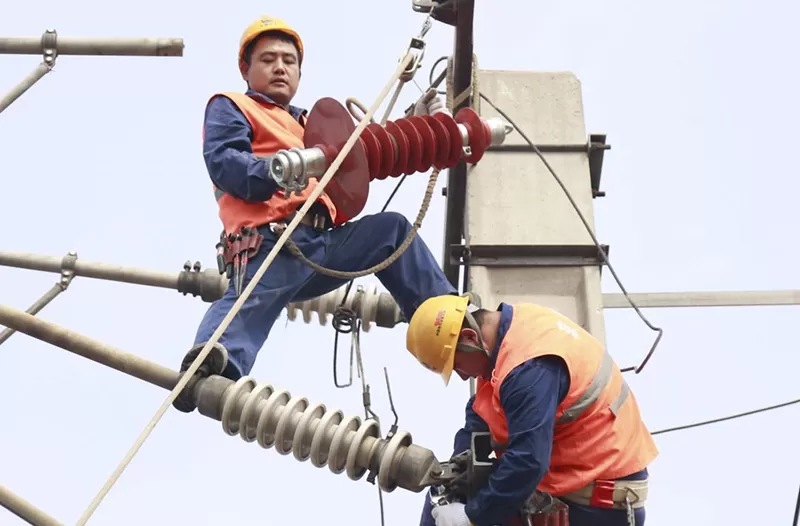
5.1 Overhead Power Line Insulation Systems
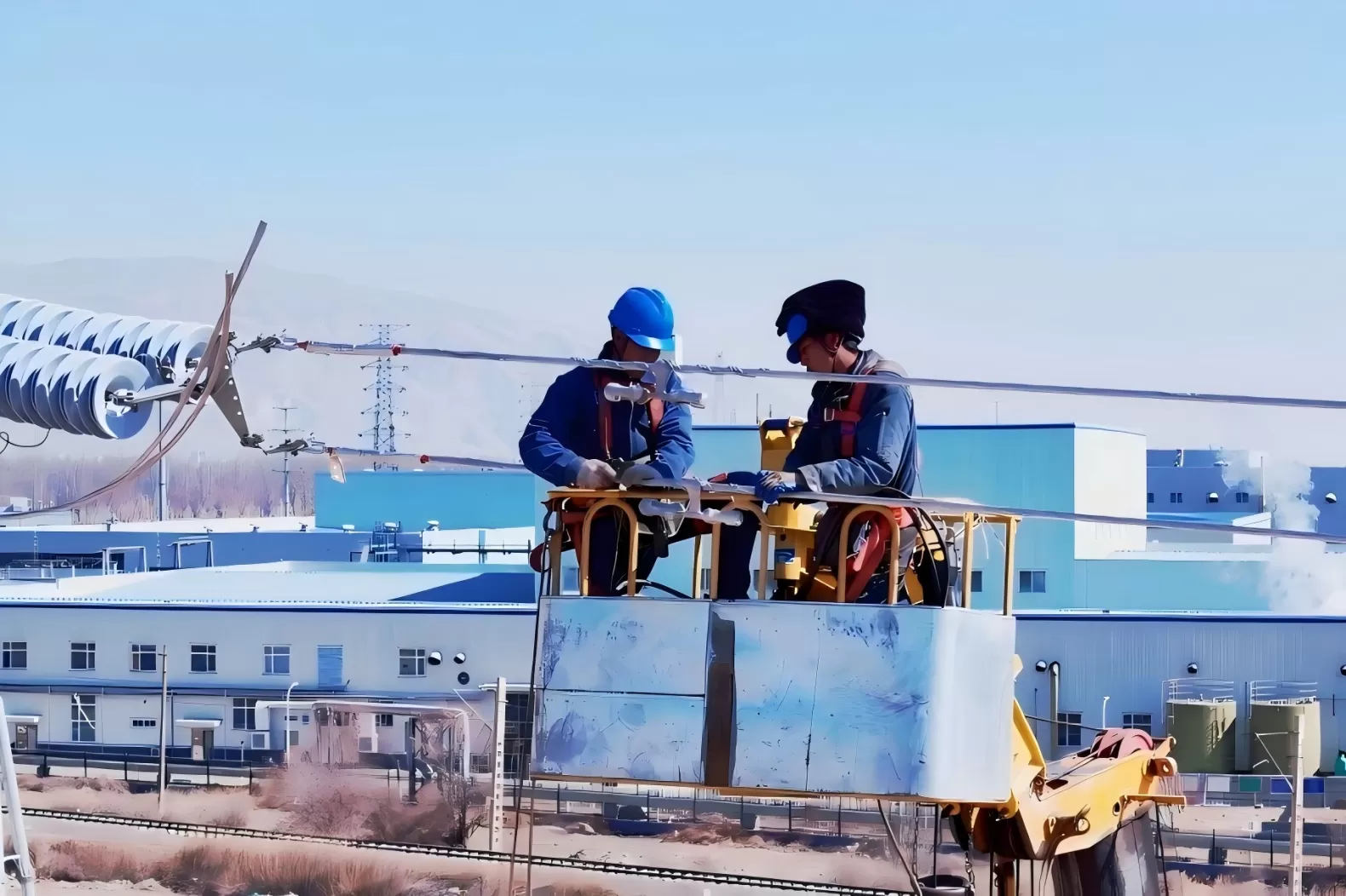
Overhead power line insulation is critical for maintaining the integrity of electrical transmission and distribution networks. These systems must:
· Withstand operating voltages from 1 kV (distribution) to 1,000 kV (UHV transmission)
· Support conductor weights and mechanical loads from wind, ice, and temperature changes
· Resist environmental factors including pollution, UV radiation, and moisture
· Provide reliable service for 30+ years with minimal maintenance
5.1.1 Insulator String Design for Different Voltage Levels
The number of insulator discs in a string increases with voltage level to ensure adequate insulation:
Voltage Level | Number of Glass Insulator Discs | Application |
11-33 kV | 1-3 discs | Distribution lines |
66-132 kV | 4-8 discs | Subtransmission lines |
220-345 kV | 9-14 discs | Transmission lines |
500-765 kV | 15-25 discs | Extra-high voltage (EHV) transmission |
Table 5: Insulator string design by voltage level
5.1.2 Pollution Performance and Insulator Selection
Pollution is a major challenge for overhead line insulators, as contaminants (salt, dust, industrial emissions) can form conductive paths on the insulator surface, leading to flashovers. The International Electrotechnical Commission (IEC) 60815 standard classifies pollution severity into four levels:
1. Light: Rural areas with minimal pollution
2. Medium: Suburban areas with moderate pollution
3. Heavy: Industrial areas or coastal regions with significant pollution
4. Severe: Seaside or heavily industrialized areas with extreme pollution
For polluted environments, fog type glass insulators with extended leakage distances and special rib designs are recommended to enhance pollution performance.
5.2 Insulator Cost Considerations for Power Utilities
Insulator cost is a significant factor in power system design, with total costs including:
· Initial purchase price: Varies by material, design, and mechanical rating
· Installation costs: Influenced by weight, ease of handling, and string length
· Maintenance costs: Including inspection, cleaning, and replacement of failed units
· Replacement costs: Frequency of replacement based on service life and failure rate
While polymer insulators often have lower initial costs, glass insulators typically provide lower total cost of ownership due to their longer service life (30-50 years) and self-detection feature that reduces inspection costs.
5.3 Innovations in Insulator Technology
Recent advancements in insulator technology include:
1. High-Resistivity Toughened Glass (HRTG) Insulators: Developed for HVDC applications, offering improved performance under DC voltage stress
2. Nanocoated Insulators: Glass or polymer insulators with nanomaterial coatings to enhance pollution resistance and self-cleaning properties
3. Smart Insulators: Incorporating sensors to monitor insulation condition, temperature, and mechanical stress in real-time
4. Eco-Friendly Insulators: Using recycled materials or biodegradable components to reduce environmental impact
6. FAQ: Common Questions About Electrical Insulators
6.1 What is the difference between an insulator and a conductor?
An insulator is a material that resists electric current flow due to tightly bound electrons and a large energy band gap, while a conductor allows easy current flow due to loosely bound outer electrons that can move freely through the material. Insulators have extremely high resistivity (>10¹² Ω·m), while conductors have very low resistivity (
6.2 Is glass a conductor or insulator? Why?
Glass is an excellent electrical insulator in its standard state. Its atomic structure (amorphous silicon dioxide) creates a rigid network where electrons are tightly bound to atoms, preventing free movement. However, glass can become conductive at extremely high temperatures or when contaminated with moisture or conductive materials.
6.3 What are the key factors to consider when selecting insulators for electric fence systems?
When choosing insulators for electric fence applications, consider:
1. Voltage rating: Must match the fence energizer output (typically 2,000-10,000 V pulses)
2. Material durability: UV-stabilized polymers or tempered glass for outdoor use
3. Mechanical strength: Resistance to animal impact and fence wire tension
4. Installation compatibility: Designed for the specific post type (wood, metal, concrete)
5. Cost-effectiveness: Balancing performance with budget constraints for large installations
6.4 How do glass insulators compare to ceramic and polymer alternatives in power transmission applications?
Property | Glass Insulators | Ceramic Insulators | Polymer Insulators |
Zero-Value Detection | Excellent (self-shattering) | Poor (no self-detection) | Poor (no self-detection) |
Mechanical Strength | High | High | Medium to High |
Pollution Performance | Excellent (with proper design) | Good | Excellent (hydrophobic) |
Weight | Medium | Heavy | Light (40-60% lighter) |
Service Life | 30-50 years | 20-30 years | 15-25 years |
Total Cost of Ownership | Low | Medium | Medium to High |
Table 6: Comparison of insulator materials for power transmission
6.5 What does insulation R-value mean, and how is it important for garage and shipping container insulation?
Insulation R-value is a measure of thermal resistance, indicating how well a material resists heat flow—the higher the R-value, the better the insulation performance. For garages and shipping containers, R-value determines how effectively the space maintains temperature:
· Garages: R-13 to R-19 for walls, R-30 to R-38 for ceilings in moderate climates
· Shipping containers: R-10 to R-15 for walls, R-15 to R-20 for ceilings to balance insulation performance and space constraints
7. Choosing the Right Insulators: A Practical Guide
7.1 Selecting Insulators for Power System Applications
When specifying insulators for power transmission and distribution:
1. Determine voltage level and pollution severity using IEC 60815 guidelines
2. Calculate mechanical load requirements based on conductor weight, span length, and environmental conditions (wind, ice)
3. Choose insulator material (glass, ceramic, polymer) based on performance requirements, cost considerations, and maintenance capabilities
4. Select appropriate design (pin, suspension, strain) based on line configuration and mechanical needs
5. Ensure compliance with international standards (IEC 60383, IEC 62217 for glass insulators)
7.2 Selecting Insulators for Electric Fence Systems
For electric fence insulator selection:
1. Match insulator type to post material (wood, metal, concrete)
2. Consider fence tension requirements (higher tension needs stronger insulators)
3. Choose UV-stabilized materials for long-term outdoor performance
4. Select appropriate size based on wire diameter and number of strands
5. Balance cost with durability—invest in higher-quality insulators for critical fence sections
7.3 Selecting Insulation for Garages and Shipping Containers
For building insulation projects:
1. Assess climate conditions to determine required R-value
2. Evaluate moisture risks and select insulation with appropriate vapor barrier properties
3. Consider space constraints—closed-cell spray foam or thin rigid foam for limited space
4. Balance cost with performance—fiberglass batts for budget projects, spray foam for premium performance
5. Plan for air sealing as part of the insulation strategy to maximize effectiveness
8. Conclusion: The Indispensable Role of Insulators in Modern Life
From the massive powergrid usa transmission networks spanning the continent to the humble insulators for electric fence protecting livestock, electrical insulators are essential components that enable our modern electrical infrastructure to function safely and efficiently. Among the various insulator materials available, glass insulators stand out for their unique combination of performance advantages, including zero-value self-detection, long service life, and superior electrical and mechanical properties.
Whether you're specifying insulators for a high-voltage transmission line, installing an electric fence on a farm, or insulating a shipping container for use as a workshop, understanding the principles of electrical insulation and selecting the right materials for your application is critical for safety, performance, and cost-effectiveness.
About SOLARIS ELECTRICAL: Your Trusted Partner for Glass Insulator Solutions
At SOLARIS ELECTRICAL, we specialize in providing high-quality glass insulators for power transmission and distribution systems worldwide. Our products meet the most stringent international standards (IEC 60383, IEC 62217) and are designed to deliver reliable performance in even the most challenging environments.
Why Choose SOLARIS ELECTRICAL Glass Insulators?
· Zero-value self-shattering for easy failure detection and improved safety
· High mechanical strength (70 kN to 300 kN) to withstand extreme weather conditions
· Superior pollution performance with extended leakage distance designs
· Long service life (30-50 years) for lower total cost of ownership
· Comprehensive technical support from design to installation
Contact us today to discuss your glass insulator requirements:
· Website: https://hvglass.com
· Email: solaris-electrical@hvglass.com
· Phone: +44 7516292642
· Telegram: t.me/SolarisELE/