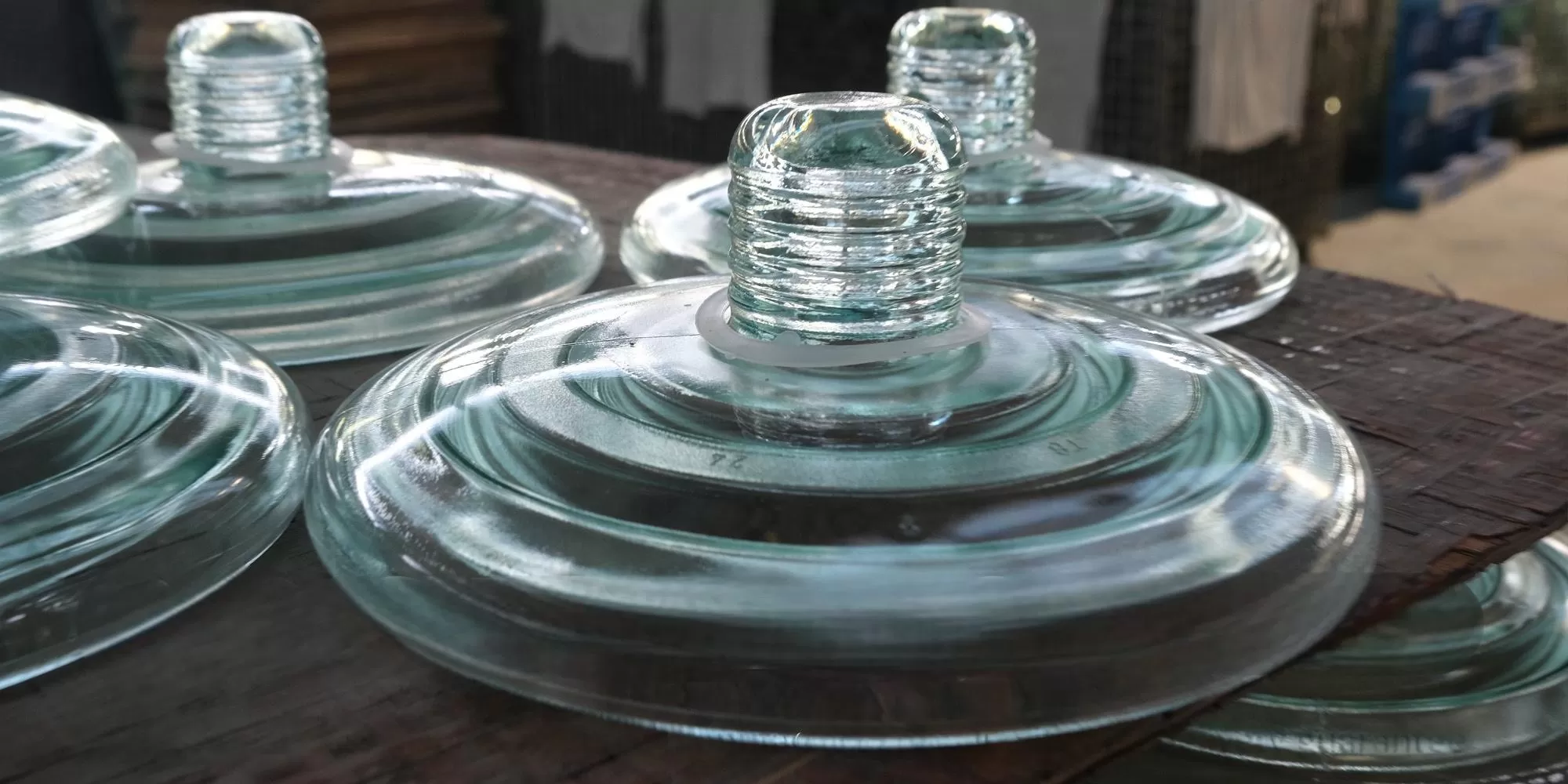
Types of Power Line Insulators – Glass, Ceramic, Polymeric Insulator Comparison, Installation & Maintenance Guide
Types of Power Line Insulators – Glass, Ceramic, Polymeric Insulator Comparison, Installation & Maintenance Guide

1. Overview of Electrical Insulator Classification in Power Systems
Insulator definition in electricity refers to a dielectric component that isolates live electrical parts from grounded structures and prevents abnormal current leakage in power transmission and distribution systems. Insulators and conductors form the basic operating foundation of all power equipment: conductors transmit electric energy, while electric insulator ensures electrical safety and system stability. With the continuous upgrading of power grid infrastructure, types of insulator are increasingly diversified, which can be classified by material and structural form.
According to manufacturing materials, mainstream power insulators are divided into three categories: glass insulators, ceramic insulators (porcelain insulators), and polymeric insulators (composite insulators). According to structural application forms, they are divided into pin type insulators, suspension insulators, strain insulators, shackle insulators, disc insulators, and post insulators. Different types of insulators match different voltage levels, installation positions, and operating environments ofoverhead power line and substation systems.
This article systematically compares the performance differences of three mainstream insulator materials, elaborates the application scenarios of various structural insulators, and provides professional installation guide, insulator maintenance, and troubleshooting schemes for power grid operation and maintenance personnel, ensuring the safe and efficient operation of overhead line equipment.
2. Material Classification & Performance Comparison of Power Insulators
2.1 Glass Insulators (Toughened Glass)
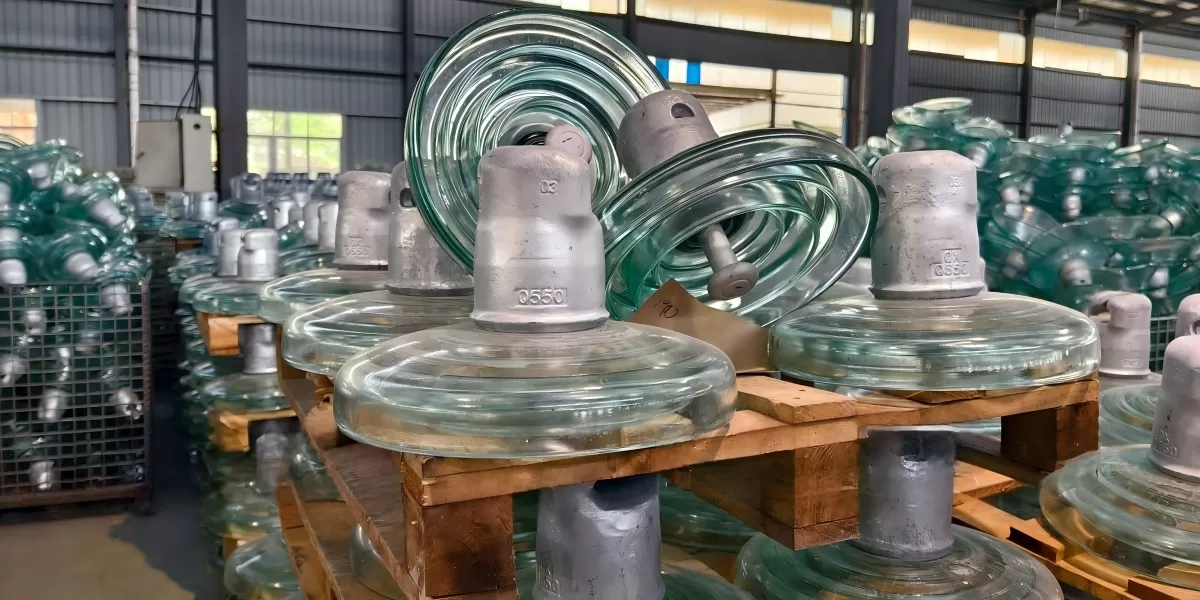
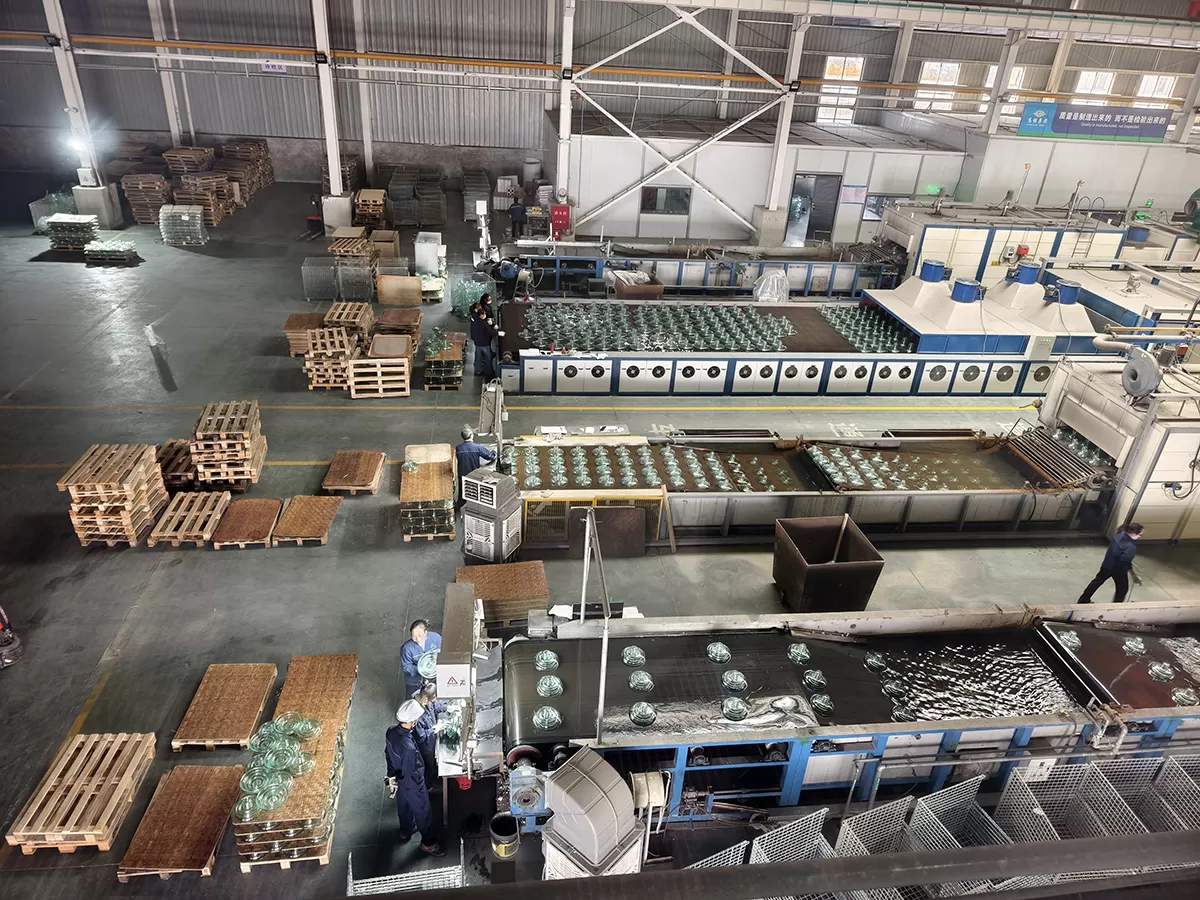
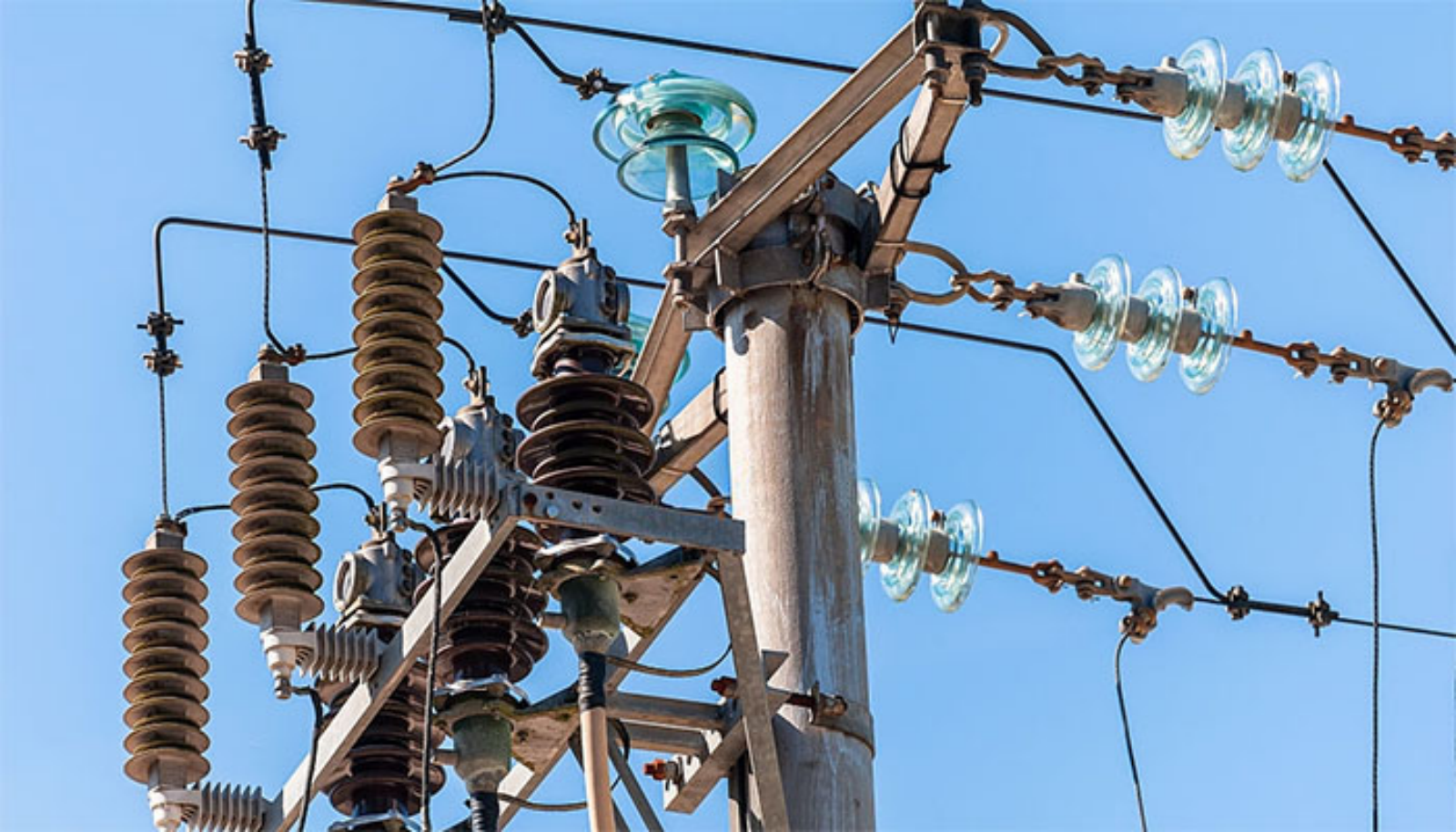
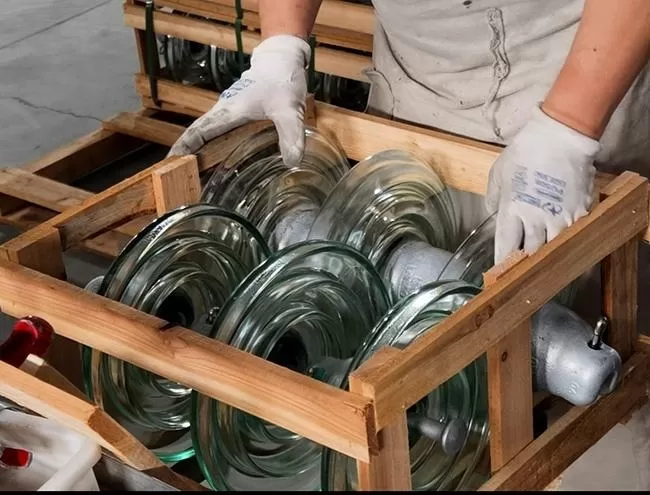
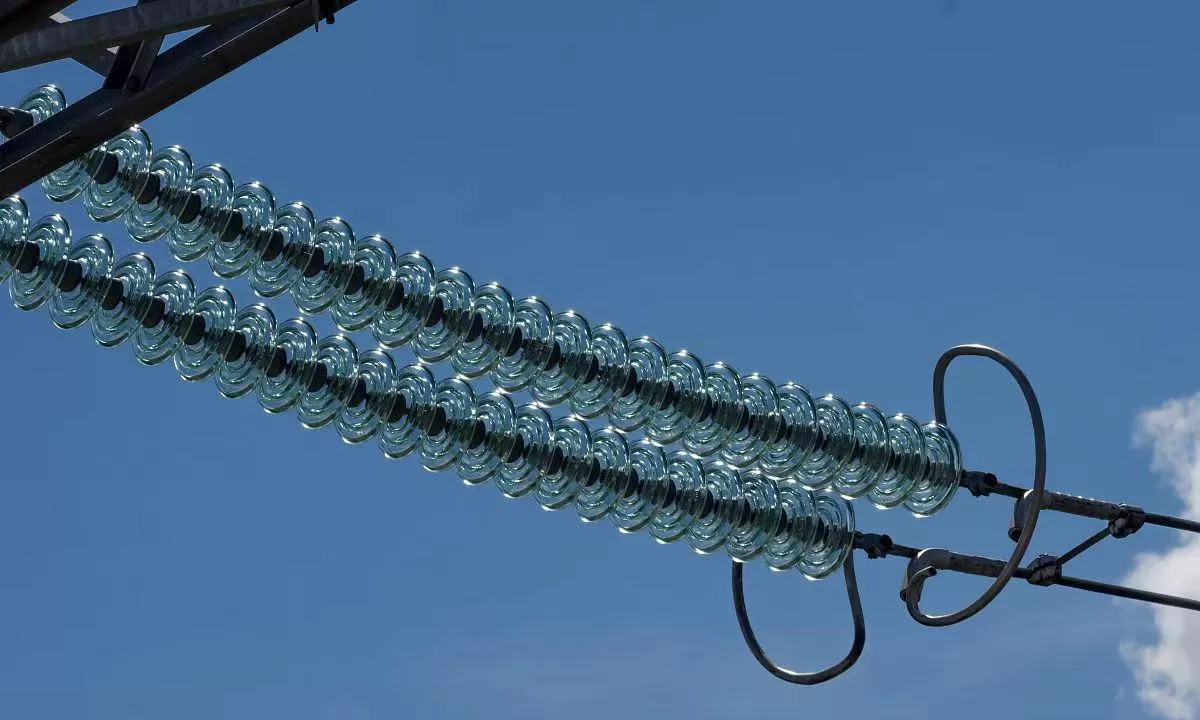
Industrial toughened glass insulators are the most widely used insulator type in global high-voltage power grids. Made of tempered special glass, they have ultra-high electrical insulation performance, stable mechanical strength, and excellent anti-pollution and self-cleaning capabilities. As typical glass electrical insulators, their core advantages include obvious failure self-warning, no hidden faults, strong lightning impact resistance, and long service life. Rainwater can directly wash the surface dirt to maintain stable insulation resistance, making them suitable for long-term outdoor operation of overhead power grid.
2.2 Ceramic / Porcelain Insulators
Ceramic insulators and porcelain insulators are traditional insulator products with mature manufacturing technology and high structural rigidity. They have good high-temperature resistance and stable basic insulation performance. However, their obvious disadvantages are hidden failure risks (internal cracks are not easy to detect), poor anti-pollution performance, heavy weight, and high maintenance difficulty. They are gradually replaced by glass insulators and polymeric insulators in high-voltage and UHV grid projects.
2.3 Polymeric / Composite Insulators
Polymeric insulators, also known as polymer line insulators, composite polymer insulators, or high voltage polymer insulators, are composed of fiberglass core rods and silicone rubber sheds. They have the advantages of light weight, convenient transportation and installation, and good anti-fouling flashover performance. However, they are prone to UV aging, surface cracking, and mechanical fatigue after long-term outdoor operation, with shorter service life than glass insulators and higher later replacement costs.
3. Structural Classification & Application Scenarios of All Insulator Types
3.1 Pin Type Insulators
Pin type insulators are fixed on cross arms of pylons through pin fittings, mainly used for low and medium voltage overhead power lines (10kV-110kV). They are suitable for straight line sections of conventional power lines, with simple structure and low insulator cost, widely used in urban and rural distribution grid construction.
3.2 Suspension Insulators
Suspension insulators represented by toughened glass suspension insulators are the core components of high-voltage and UHV transmission lines. Assembled in strings, they are used for suspension and insulation of power line conductors, suitable for 110kV, 132kV, 330kV and above overhead power lines, long-span crossing lines, and substation overhead equipment.
3.3 Strain Insulators
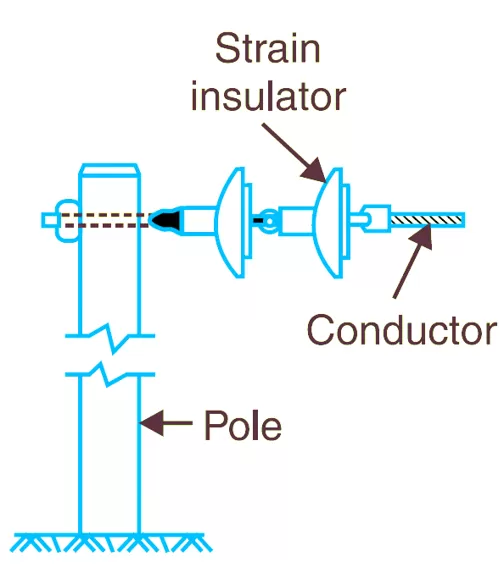
Strain insulators bear the tension of power line conductors, installed at line terminals, corners, and tension sections. They need to have ultra-high mechanical tensile strength, matching with strain clamp and power line fittings to ensure stable tension of overhead lines, widely used in main grid trunk lines and large-scale grid optimization project.
3.4 Shackle Insulators & Disc Insulators
Shackle insulators are used for low-voltage line tension insulation and guy wire insulation matching; disc insulators are the most common structural form of glass and ceramic insulators, with standardized 300mm disc diameter and diversified strength specifications, suitable for various high-voltage line string assembly.
3.5 Post Insulators
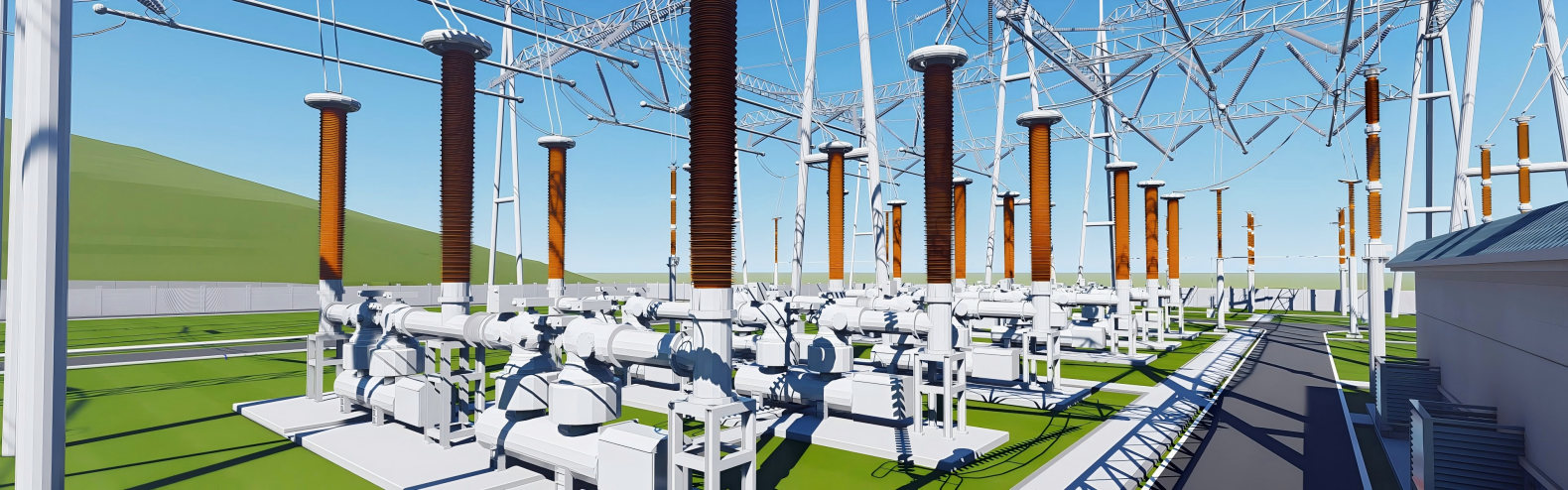
Post insulators are vertical fixed insulating components, mainly used for substation switchgear, busbar insulation and support, with high structural stability and pressure resistance, ensuring the safe operation of substation internal electrical equipment.
4. Professional Insulator Installation Guide & Electrical Safety Specifications
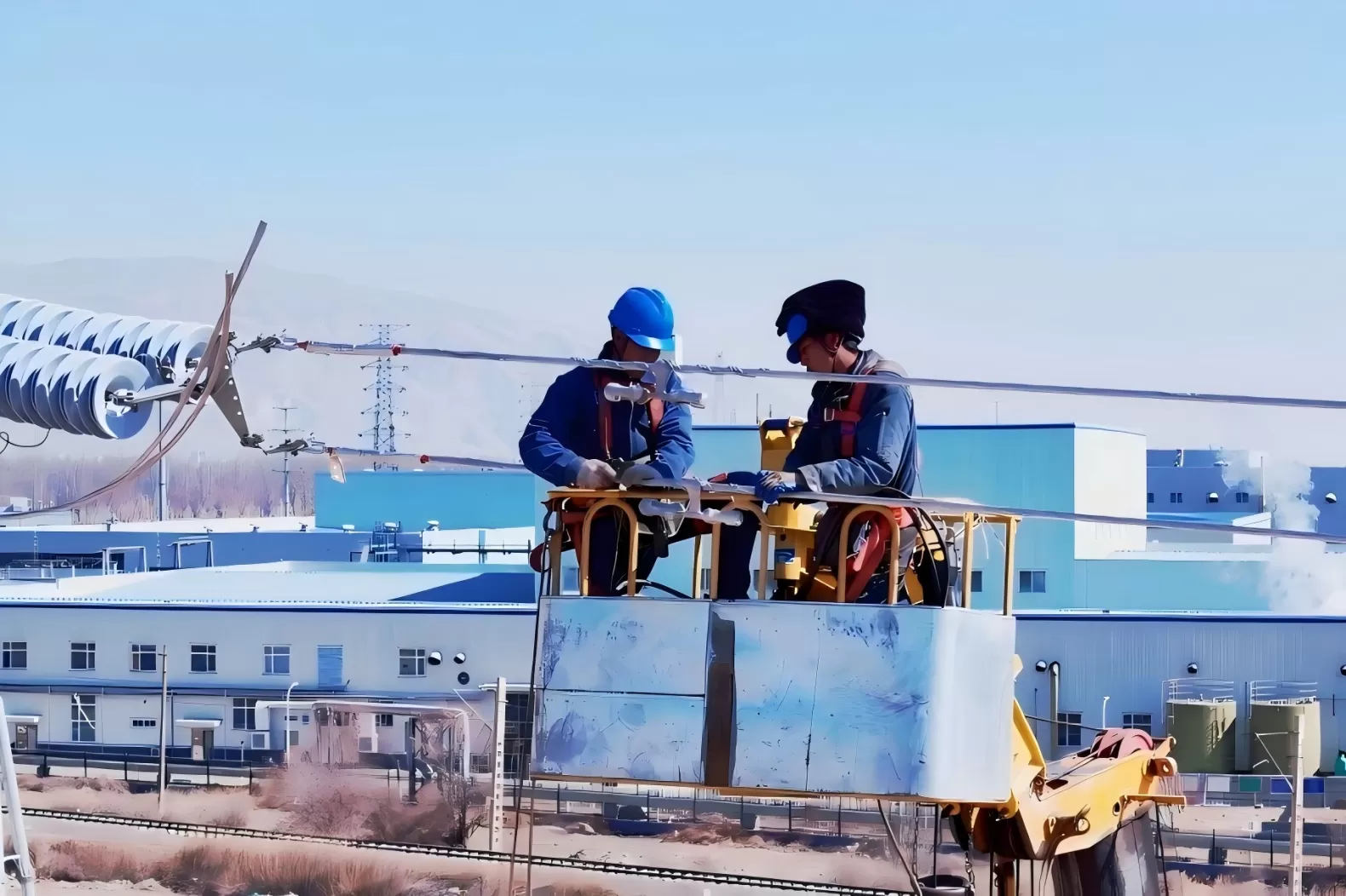
Standardized installation is the premise to ensure the long-term stable operation of electrical insulators. Non-standard installation will lead to insulation failure, line flashover, and even grid safety accidents. Combined with power industry construction specifications, the core installation standards are summarized as follows:
First, check the insulator appearance and performance before installation: confirm no cracks, damage, dirt, and deformation, and complete electrical insulation resistance test to ensure the insulation resistance value meets the national grid access standards. Second, select matching power line fittings such as pg clamp, strain clamp according to insulator model and voltage level to ensure firm connection.
During the installation of overhead line insulators, keep the insulator string vertical and uniform in stress, avoid excessive tension and eccentric load. For wind-resistant and rain-resistant streamlined shed insulators, ensure the shed direction is consistent with the wind direction to maximize environmental resistance. For substation post insulators, ensure vertical installation and firm fixing to avoid structural shaking.
In addition, cooperate with grounding anchor and guy wires to complete the overall fixation of overhead lines, and match lightning arrester equipment to build a complete lightning protection and insulation system, fully guaranteeing electrical safety of power grid operation.
5. Insulator Maintenance, Testing & Troubleshooting
5.1 Daily Maintenance Specifications
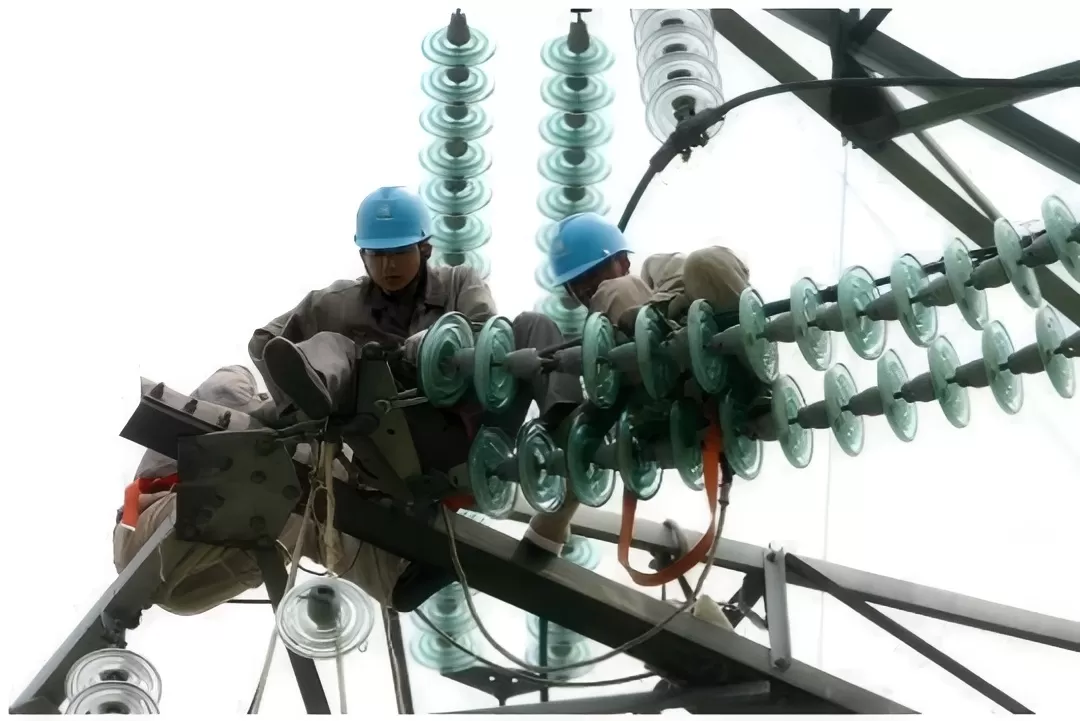
Regular insulator maintenance is key to extending service life and reducing grid failure rate. Operation and maintenance personnel shall conduct regular visual inspection of overhead line insulators: clean surface dust, salt fog, and industrial pollutants in time, check for glass breakage, ceramic cracking, and polymer aging. For anti-pollution glass insulators in high-pollution areas, increase cleaning frequency to avoid surface leakage current caused by pollutant accumulation.
5.2 Regular Performance Testing
Carry out quarterly electrical insulation resistance test to detect insulation performance attenuation in time. Conduct annual mechanical load test and flashover resistance test for key line insulators to ensure mechanical strength and electrical insulation performance meet operational requirements. All tests shall comply with unified testing standards of the power industry.
5.3 Common Faults & Troubleshooting
Common insulator faults include surface leakage, pollution flashover, mechanical damage, and aging failure. Troubleshooting methods are as follows: clean polluted insulators and replace severely polluted and invalid products; replace cracked and broken insulators immediately to avoid hidden grid dangers; regularly replace aging polymeric insulators; check and fasten loose power line fittings to avoid eccentric wear of insulators.
6. FAQ – Insulator Types, Installation & Maintenance Questions
Q1: Which insulator type has the longest service life for overhead power lines?
Toughened glass insulators have the longest service life (40+ years) among all types. They have stable physical and chemical properties, strong anti-aging and anti-pollution capabilities, and no hidden failure risks, far superior to ceramic and polymeric insulators in long-term operation stability.
Q2: What is the difference between suspension insulators and strain insulators?
Suspension insulators are mainly used for suspension support of straight line conductors, bearing vertical load; strain insulators are used for line corners, terminals and tension sections, bearing horizontal tension of conductors, with higher mechanical strength requirements.
Q3: How often should power line insulators be tested and maintained?
Visual inspection is required monthly, insulation resistance test quarterly, and comprehensive performance test annually. High-pollution and extreme weather areas need to increase maintenance frequency to ensure grid operation safety.
Q4: Why are glass insulators more suitable for high-voltage grids than polymer insulators?
Glass insulators have no UV aging failure, obvious fault self-warning, stable insulation performance in extreme weather, and lower long-term maintenance costs, which fully meet the long-term stable operation requirements of high-voltage and UHV power grids.
7. Conclusion
The reasonable selection of types of insulator is the key to ensure the safe and stable operation of overhead power grid. Compared with traditional ceramic insulators and aging-prone polymeric insulators, industrial toughened glass insulators have comprehensive advantages in performance, service life, and maintenance cost, becoming the mainstream choice for modern power grid construction and upgrading. Standardized installation, regular maintenance, and scientific troubleshooting can effectively reduce grid failure rate and improve power transmission efficiency.
As a professional insulators company, SOLARIS ELECTRICAL provides full-series high-voltage glass insulators, matching power line fittings, and one-stop grid insulation solutions:
Website: https://hvglass.com | Telegram: t.me/SolarisELE/
We support customized insulator production and engineering matching services for global power transmission and transformation projects.