
Power Grid Infrastructure Upgrade & New Energy Integration – Future Trends of High-Voltage Glass Insulator Applications
1. Industry Background: Modern Power Grid Development Demands High-Performance Insulators

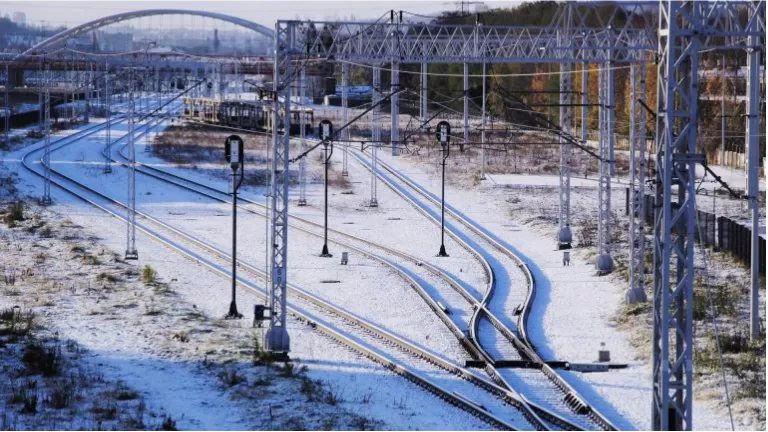
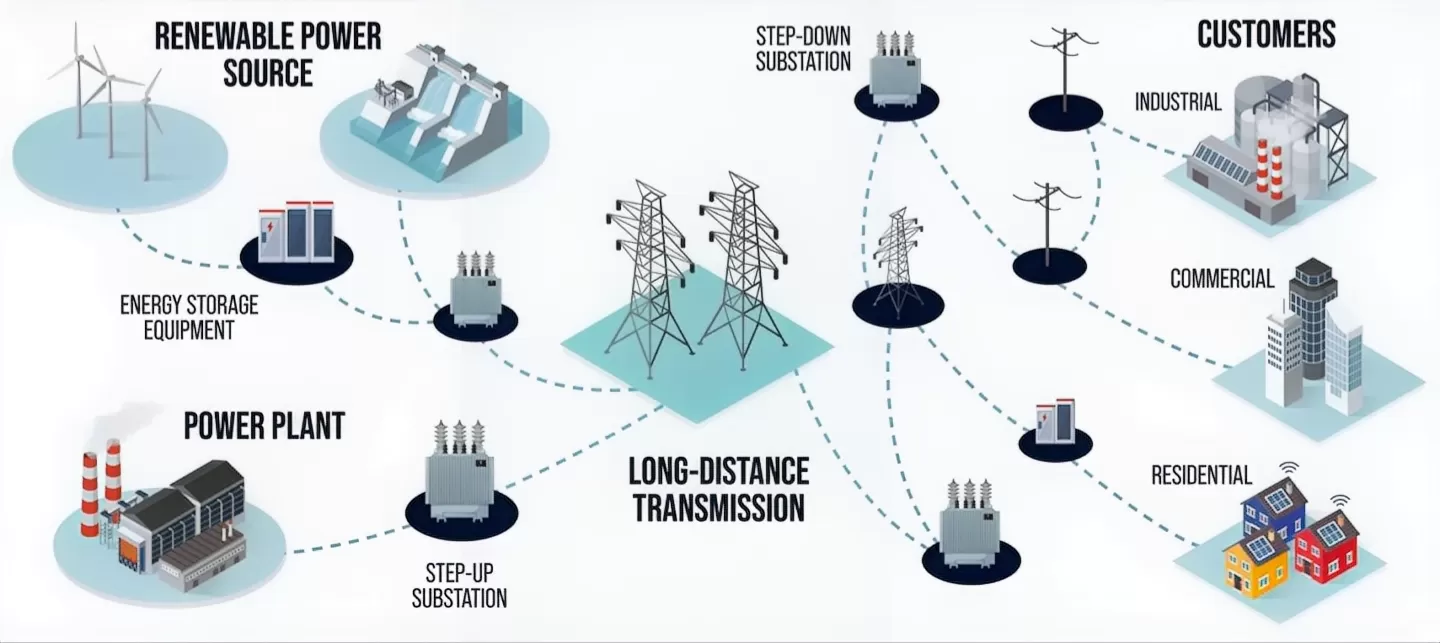
With the global energy structure transformation and large-scale power grid infrastructure upgrade, traditional low-performance insulators can no longer meet the requirements of UHV long-distance transmission, new energy grid integration, and cross-regional grid interconnection. Power transmission and transformation projects are developing towards high voltage, large capacity, and high stability, which puts forward higher standards for the mechanical strength, insulation performance, environmental adaptability, and service life of electrical insulators.
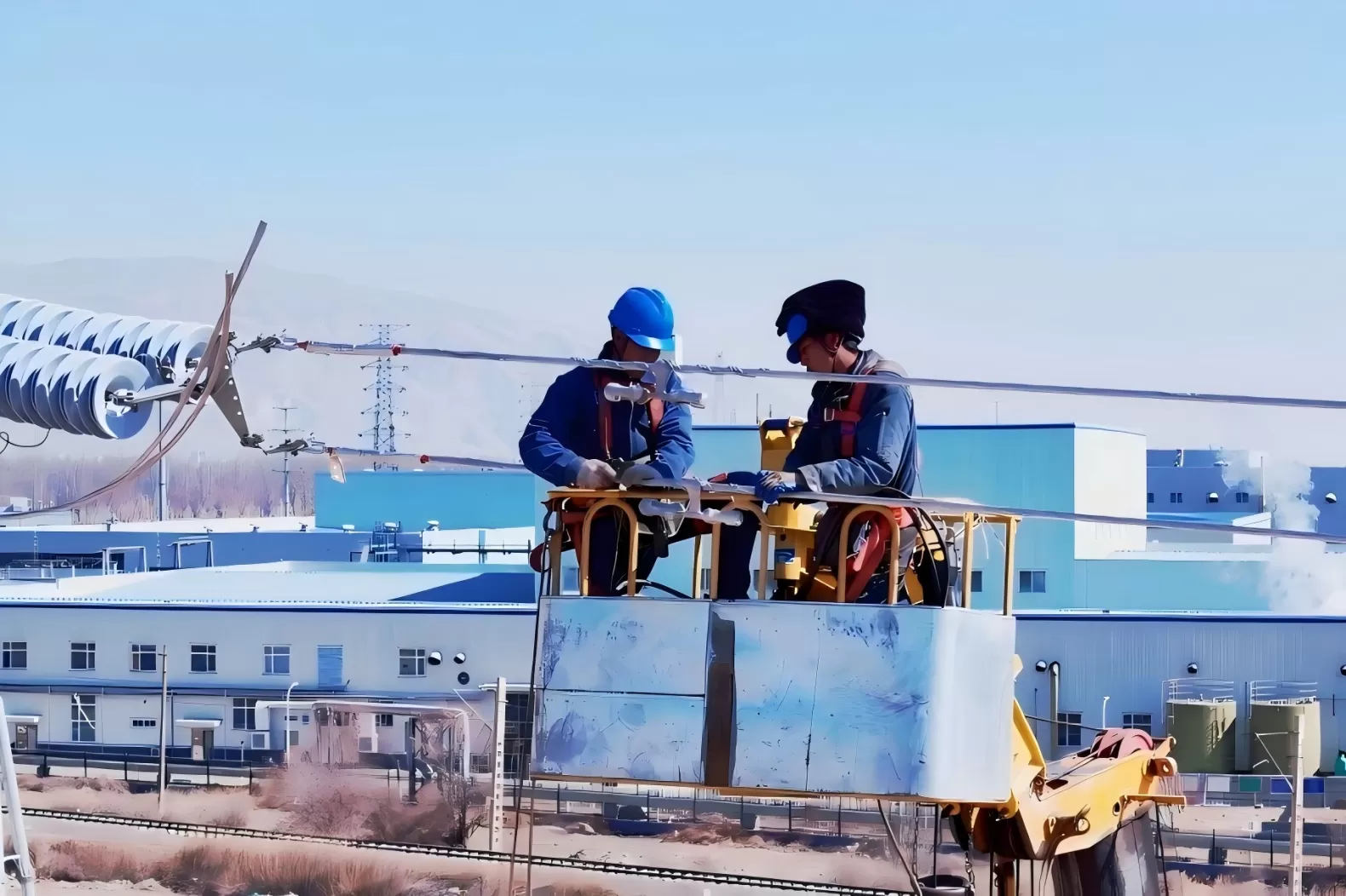
In recent years, global grid optimization project and regional power modernization initiatives represented by Kenya grid modernization and KPLC power project have accelerated the elimination of outdated insulation equipment. A large number of high-performance glass insulators have replaced traditional ceramic and low-quality polymer insulators, greatly improving the operational reliability of regional overhead power grid. At the same time, the rapid growth of wind power and photovoltaic new energy has made new energy grid integration a core development direction of the power industry, further driving the technical iteration and market demand of high-voltage glass electrical insulators.
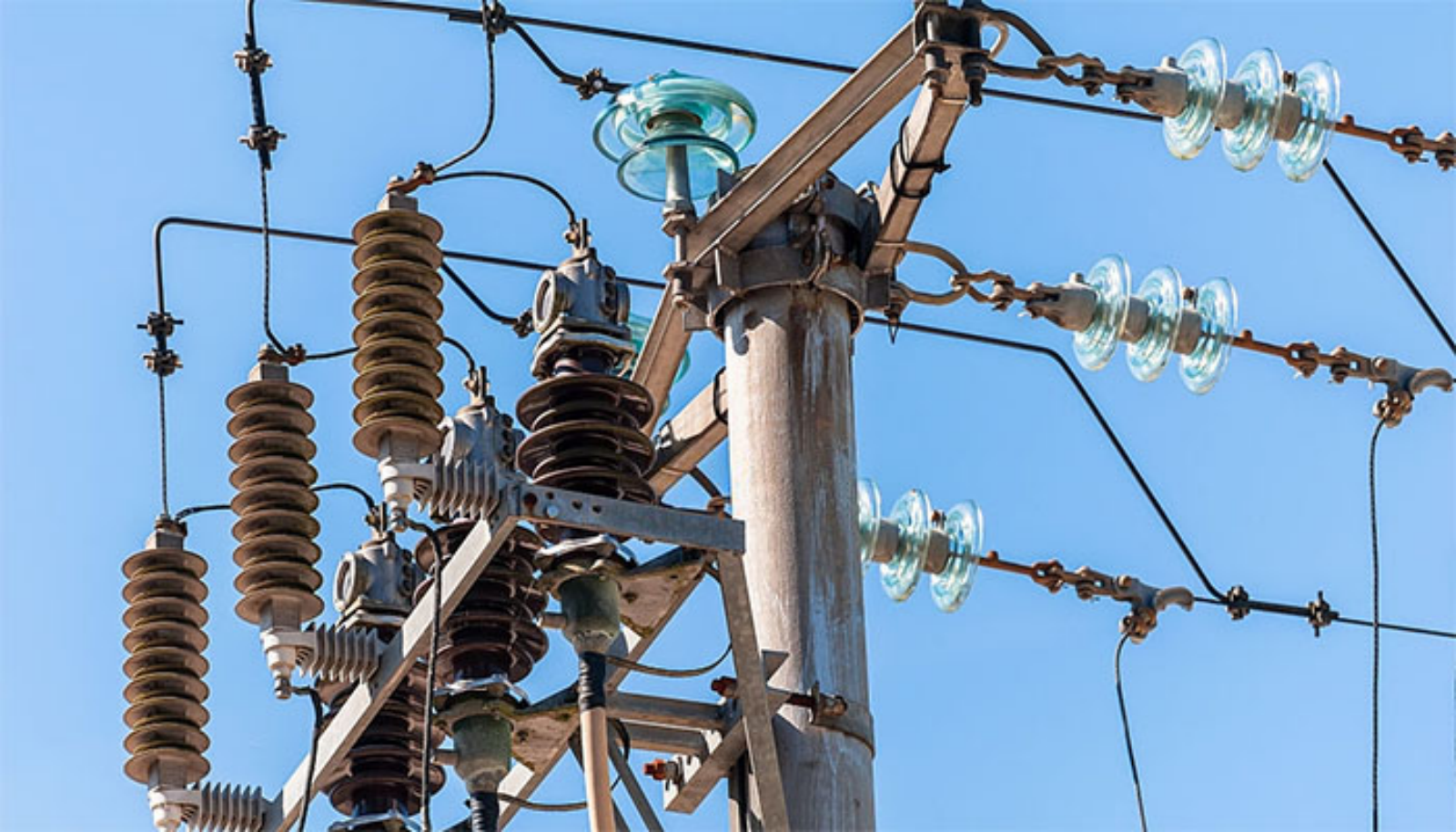
As core overhead line equipment, glass insulators run through the whole process of power grid construction, operation, and upgrading. This article analyzes the application value of glass insulators in UHV construction and new energy grid projects, summarizes manufacturing quality control standards, and prospects the future trends of the insulator industry, providing reference for energy suppliers and power engineering contractors.
2. Core Application of Glass Insulators in Grid Upgrade & UHV Construction
2.1 Conventional Voltage Grid Upgrade (110kV-330kV)
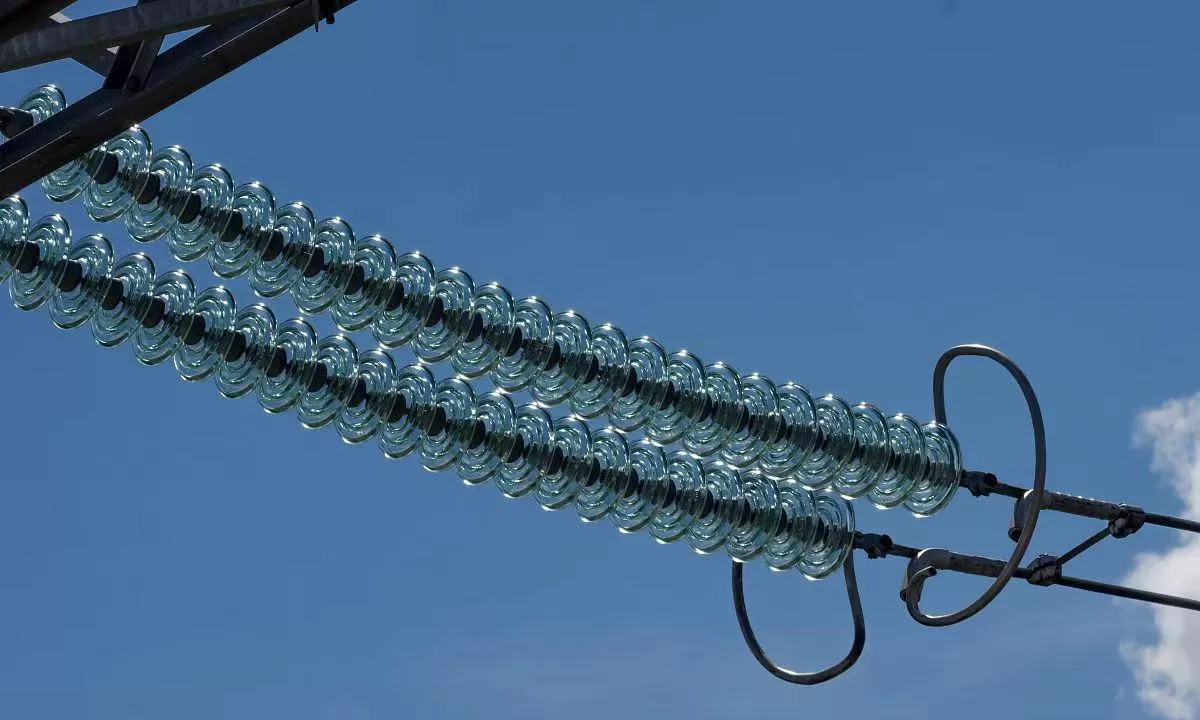
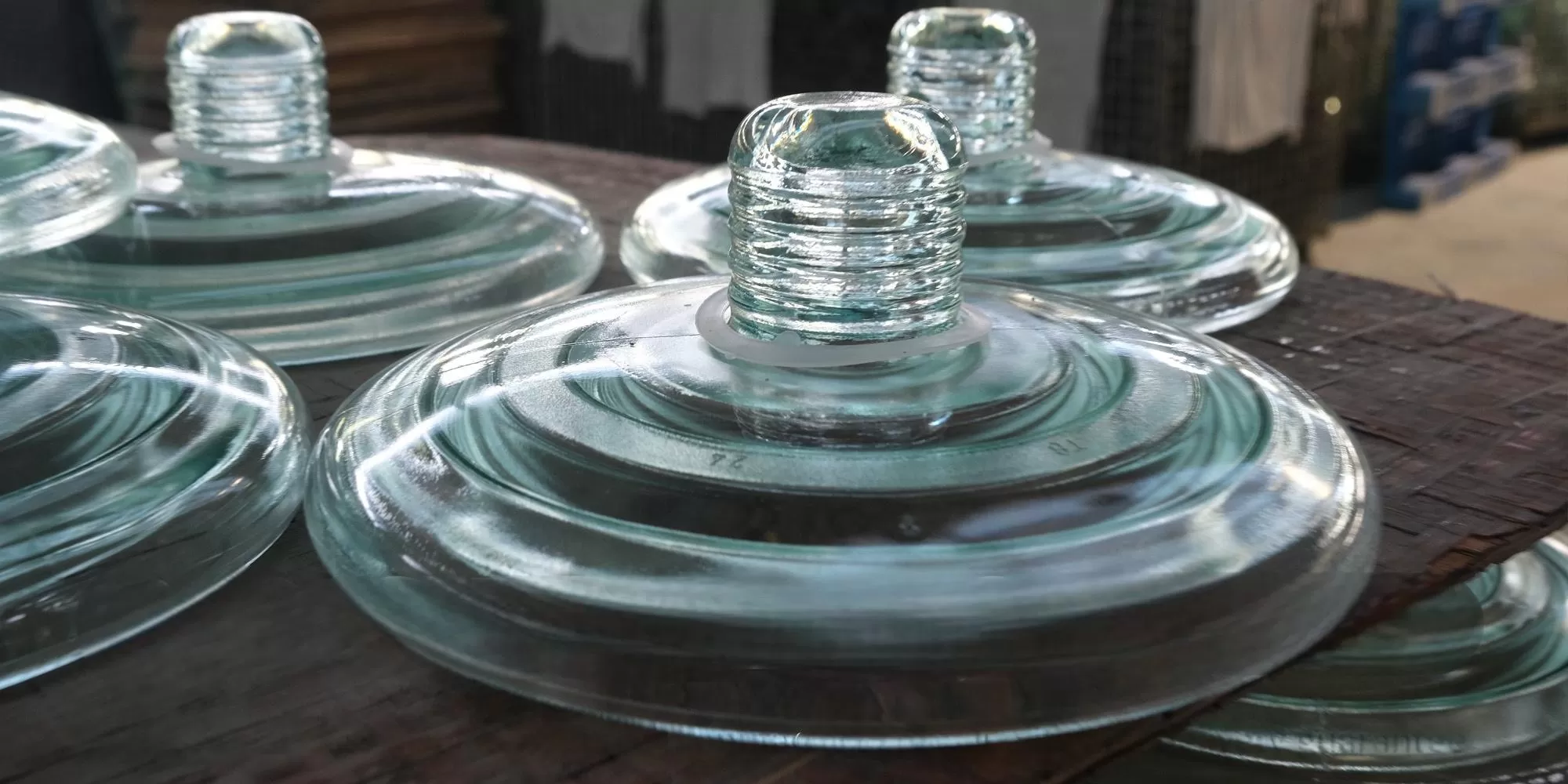
In urban and rural power grid reconstruction projects, 110kV electrical insulators and 330kV power line insulators are the most widely used supporting products. Standard U70, U120KN glass disc insulators adapt to conventional overhead power line reconstruction, solving the problems of aging insulation, frequent flashover, and high failure rate of old grid equipment. The streamlined shed and anti-pollution design ensure stable operation of urban grid lines in complex industrial and living environments, reducing grid maintenance pressure.
2.2 UHV Power Grid Construction
UHV power grid construction requires ultra-high mechanical strength and ultra-stable insulation performance of insulators. High-strength models such as U420BP 420kN glass insulators are specially developed for UHV transmission lines, with super tensile resistance, wind resistance, and pollution resistance. They can adapt to long-distance, large-span, and high-load UHV line operation, effectively supporting the safe transmission of ultra-high voltage electric energy.
2.3 Kenya Regional Power Project Practice
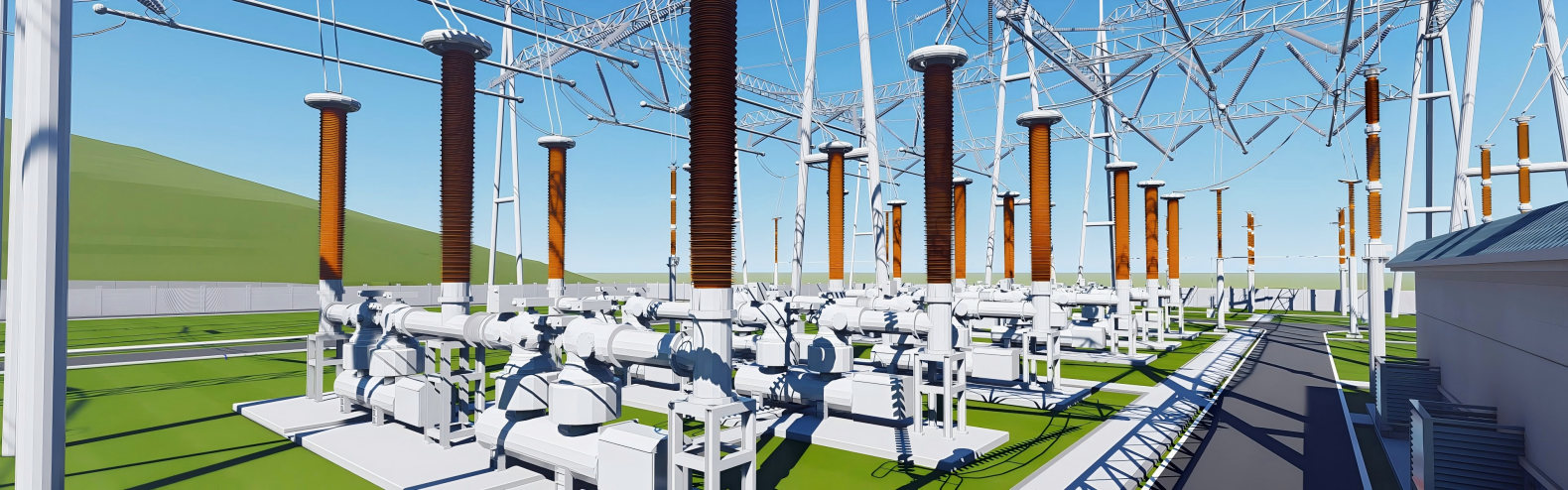
The ongoing EPC 132kV substation and 132kV substation Kenya projects are key infrastructure projects for East African power grid modernization. The project adopts full-series industrial toughened glass insulators to support Kenya transmission substation and overhead power line construction. Compared with traditional insulators, glass insulators reduce the line failure rate by more than 70%, greatly improving the stability of local power supply and providing reliable power guarantee for regional economic development and energy supplier service upgrading.
3. Technical Advantages of Glass Insulators for New Energy Grid Integration
New energy power generation represented by wind power and photovoltaic has the characteristics of intermittency and volatility, which makes the operating environment of supporting power lines more complex and changeable. Traditional polymer and ceramic insulators are prone to aging, flashover, and insulation failure in new energy grid scenarios, while glass electrical insulators have unique technical advantages:
First, excellent anti-aging performance: Toughened glass materials are not affected by UV radiation and temperature cycle changes, avoiding the aging failure of polymer insulators in long-term outdoor operation, and adapting to long-term operation of new energy power station supporting lines.
Second, strong anti-pollution and self-cleaning ability: The smooth streamlined shed structure can automatically remove surface dust and rainwater, maintaining stable electrical insulation resistance in desert wind and sand, coastal salt fog, and mountain humid environments where new energy power stations are mostly located.
Third, obvious fault self-warning: Once the insulator fails, the glass will burst and fall off, which is convenient for operation and maintenance personnel to quickly find and replace, avoiding hidden grid safety dangers and improving the operation efficiency of new energy grid integration systems.
4. Manufacturing Quality Control & Product Standardization
The excellent performance of high-quality glass insulators is inseparable from strict full-process quality control and standardized manufacturing process. Formal insulators company implements strict quality inspection standards from raw material procurement to finished product delivery:
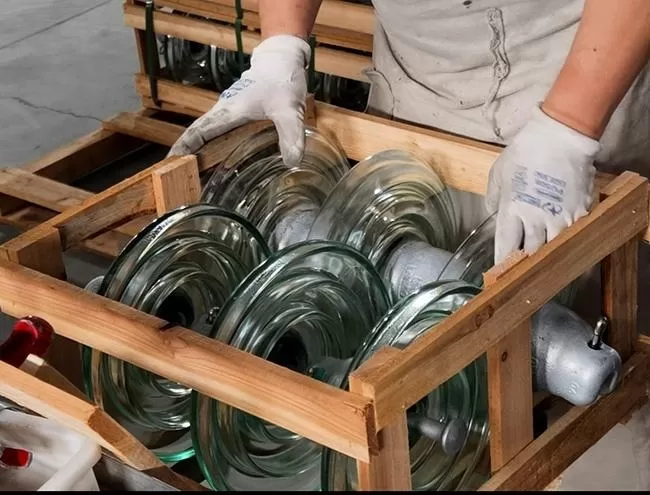
Raw material inspection: Screen high-purity silica and auxiliary materials to ensure no impurity defects affecting insulation performance; Production process control: Strictly control melting temperature, tempering time, and molding precision to ensure uniform internal stress and consistent product size; Finished product testing: Conduct mechanical load test, insulation resistance test, pollution flashover test, and aging test one by one to ensure all products meet IEC international standards and grid access requirements.
At present, mainstream standardized products such as U70 120kn glass disc insulator, CTV 254, CTV 175, and 300mm disc diameter insulators have realized large-scale standardized production, effectively controlling insulator cost and providing cost-effective insulation solutions for global grid projects. All qualified insulator for sale products have complete test reports and certification documents, supporting global EPC project bidding and construction.
5. Industry Future Trends & Development Prospects
5.1 High-Performance Anti-Extreme Environment Insulator Iteration
With the expansion of power grid construction to plateau, coastal, desert, and other extreme areas, anti-wind, anti-rain, anti-salt fog, and anti-pollution high-performance glass insulators will become the mainstream development direction. Optimized streamlined shed structure and special surface treatment technology will further improve the environmental adaptability of insulators.
5.2 Intelligent Grid Matching Insulator Technology Upgrade
Combined with the development of intelligent power grids, new glass insulators with online monitoring function will be gradually promoted. By integrating sensing modules, real-time monitoring of insulator insulation status, mechanical stress, and environmental parameters can be realized, improving the intelligent level of grid operation and maintenance.
5.3 Full Popularization of New Energy Special Insulators
With the continuous expansion of new energy grid integration scale, customized glass insulators adapted to wind power and photovoltaic grid-connected line characteristics will be widely popularized, realizing precise matching of insulation performance and new energy grid operating conditions.
5.4 Global Grid Modernization Market Expansion
Emerging market countries represented by Kenya are accelerating power grid modernization construction, bringing huge market demand for high-quality glass insulators. High-performance, low-maintenance, and cost-effective glass insulation products will become the preferred choice for global powerline and grid upgrade projects.
6. FAQ – Grid Upgrade & Glass Insulator Application Trends
Q1: Why do grid modernization projects prefer glass insulators over polymer insulators?
Glass insulators have no hidden failure risks, long service life, low long-term maintenance costs, and stable performance in extreme environments. They can effectively reduce the operation and maintenance pressure of newly built grids and improve the long-term operational reliability of power systems, which is more in line with the construction goals of modernized power grids.
Q2: What glass insulator models are suitable for 132kV Kenya substation projects?
U70 120kn standard disc insulators and CTV series anti-pollution insulators are the most suitable models for 132kV substations in Kenya. They adapt to local tropical humid and rainy climate, with excellent wind and rain resistance, meeting the long-term operation requirements of local power grids.
Q3: What is the core development trend of power insulator industry in the next 5 years?
The industry will develop towards high performance, anti-extreme environment, intelligent monitoring, and new energy specialization. Toughened glass insulators will gradually replace most traditional ceramic and polymer insulators, becoming the absolute mainstream of high-voltage grid insulation equipment.
Q4: How to control the comprehensive cost of grid insulator configuration?
Priority should be given to high-quality glass insulators with long service life and low maintenance cost. Although the initial purchase cost is slightly higher, the later replacement and maintenance costs are greatly reduced, and the comprehensive economic benefit is far better than that of low-price short-life polymer and ceramic insulators.
7. Conclusion
Under the background of global power grid infrastructure upgrade and energy structure transformation, high-performance toughened glass insulators have become the core supporting equipment for UHV power grid construction, new energy grid integration, and regional grid modernization projects such as Kenya KPLC power projects. With superior mechanical performance, stable electrical insulation, strong environmental adaptability, and low maintenance advantages, glass electrical insulators solve many pain points of traditional insulation equipment and escort the safe and efficient operation of modern overhead power grid.
Adhering to strict manufacturing quality control and continuous technological innovation, glass insulator products will continue to lead the development trend of the power insulation industry, providing reliable technical support and product guarantee for global power transmission and transformation engineering construction.
For high-quality industrial glass insulators and professional grid engineering matching solutions, please contact SOLARIS ELECTRICAL:
Phone: +44 7516292642 | Email: solaris-electrical@hvglass.com | Website: https://hvglass.com
We provide global customers with full-series high-voltage glass insulators, customized technical solutions, and one-stop engineering supporting services.